Background and Motivation
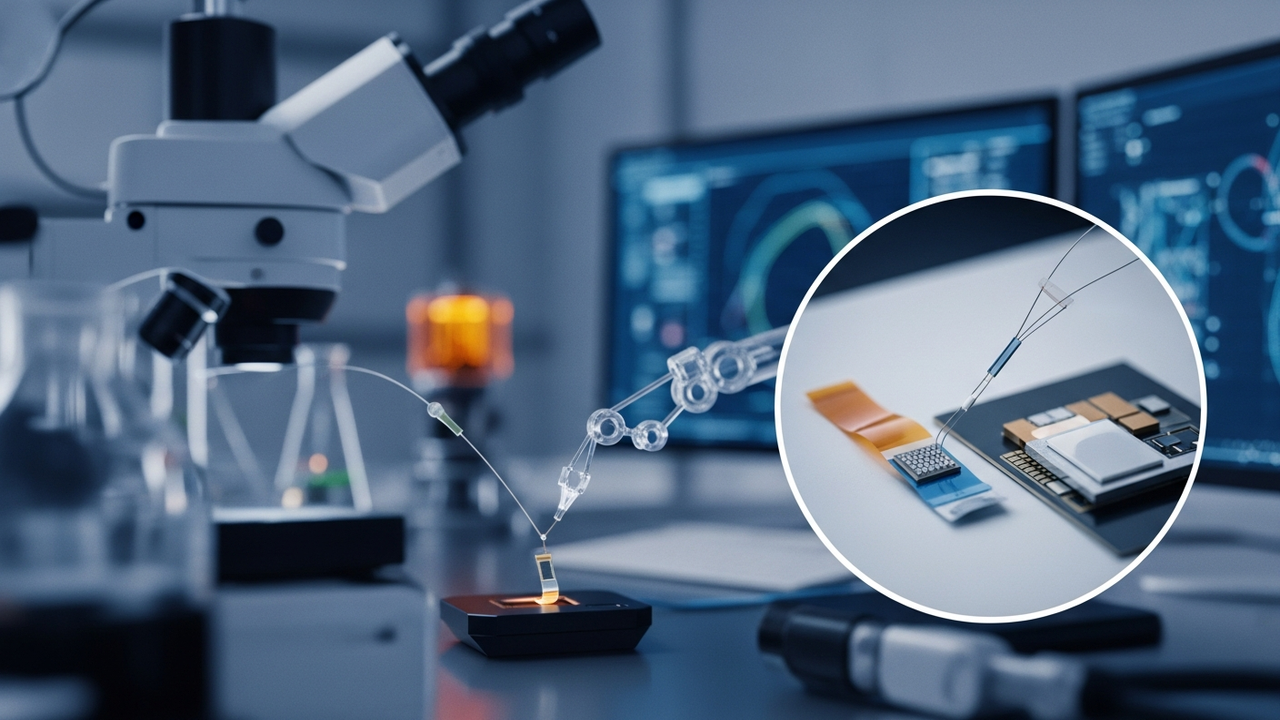
Traditional diagnostic methods, such as blood draws, offer only a single snapshot of biomarkers, limiting their ability to capture dynamic physiological changes. For managing chronic diseases and facilitating early detection, there is a clear demand for continuous, less invasive monitoring solutions. Researchers at the University of Washington, led by Professor Shen, are addressing this need by developing a microscopic wireless biosensor that leverages tear fluid as a diagnostic medium.
Key Technology and Developments
The biosensor is characterized by its minute size and innovative functionality. Designed for placement within the tear duct, similar to existing punctal plugs used for dry eye therapy, it is expected to be well-tolerated by patients and remain in situ for approximately six months. This extended wear duration is crucial for gathering continuous data on various disease indicators present in tear fluid, offering a significant advantage over episodic blood tests. The team is currently focusing on enhancing the sensor’s durability, biocompatibility, and the sensitivity required to accurately detect trace biomarkers.
Clinical Implications and Future Outlook
This microscopic wireless biosensor holds the potential to transform diagnostic practices. For instance, it could enable continuous monitoring of blood glucose levels for diabetics or inflammatory markers for specific autoimmune conditions, allowing for earlier disease detection, progression prediction, and real-time assessment of treatment efficacy. Such continuous, personalized data streams are fundamental to realizing true “personalized medicine” by tailoring interventions to individual patient needs. Future efforts will likely expand the range of detectable biomarkers and integrate the technology into a broader digital health ecosystem, solidifying its role as a novel platform for preventive care and health management.



Comments