Key Findings
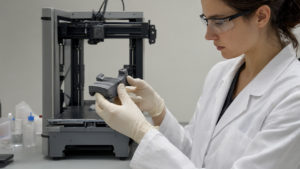
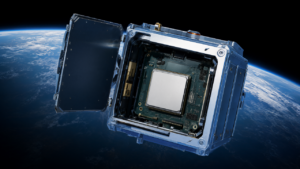
Redwire has successfully concluded on-orbit operations for a series of pharmaceutical drug development investigations aboard the International Space Station (ISS), with the critical samples returning to Earth on June 17, 2026. The mission specifically advanced a cancer therapeutic candidate, Rebecsinib from Aspera Biomedicines, alongside studies on crystal formation in space conducted with prominent partners including Bristol Myers Squibb, Rowan University, and Purdue University.
Technical / Clinical Details
The investigations primarily focused on understanding how the microgravity environment influences the crystallization of pharmaceutical compounds. For Aspera Biomedicines’ Rebecsinib, a promising cancer therapeutic, the goal was to achieve higher purity and more stable crystalline structures that are difficult to produce under terrestrial gravity. Improved crystal quality can lead to enhanced drug solubility, stability, and bioavailability, directly impacting clinical efficacy. Collaborative efforts with major pharmaceutical and academic institutions explored various drug compounds, examining their crystallization behaviors in microgravity. Furthermore, the University of Alabama at Birmingham conducted a parallel biotechnology investigation on advanced heart disease, exploring novel insights and potential therapeutic strategies unique to the space environment.
Background & Context
Microgravity offers unparalleled advantages for materials science and pharmaceutical research due to the absence of gravitational forces like buoyancy-driven convection and sedimentation. These unique conditions allow for more precise control over crystal growth, leading to higher quality and purity that can be unattainable on Earth. As commercial access to the ISS becomes more streamlined, more pharmaceutical companies and academic institutions are leveraging this orbital laboratory to refine existing drugs and develop new ones, accelerating innovation in a highly competitive sector.
Strategic Significance & Outlook
The outcomes of these Redwire-led on-orbit experiments hold significant implications for future pharmaceutical manufacturing processes. The research on Rebecsinib could potentially lead to advancements in cancer treatment, offering new and improved therapeutic options for patients. The involvement of multiple industry and academic partners underscores the broad recognition of microgravity’s potential value in drug discovery and development. The data collected from these investigations will now undergo rigorous analysis, with the expectation of informing terrestrial manufacturing processes and potentially paving the way for further commercial in-space production. Space continues to emerge as a critical frontier for biotechnology and pharmaceutical innovation, promising breakthroughs that could benefit global health.
Get our weekly technology intelligence — free
Receive an infographic that lets you judge at a glance whether each field’s analysis report is worth reading.
Subscribe Free — Weekly Tech Intelligence
By subscribing, you’ll receive Troy-Technical’s weekly technology intelligence newsletter.
- Your email and selected fields are used only to deliver the newsletter.
- We never share your information with third parties.
- You can unsubscribe anytime via the link in each email.
See our Privacy Policy for details.
Takes about a minute · Unsubscribe anytime