Key Findings
Peak Energy and automotive giant General Motors (GM) have announced a strategic partnership to develop and deploy grid-scale sodium-ion battery systems for stationary energy storage. This collaboration aims to significantly expand the domestic supply of sodium-ion batteries in the United States and achieve substantial cost reductions.
Technical Details
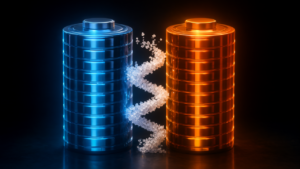
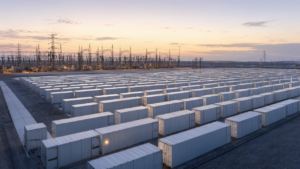
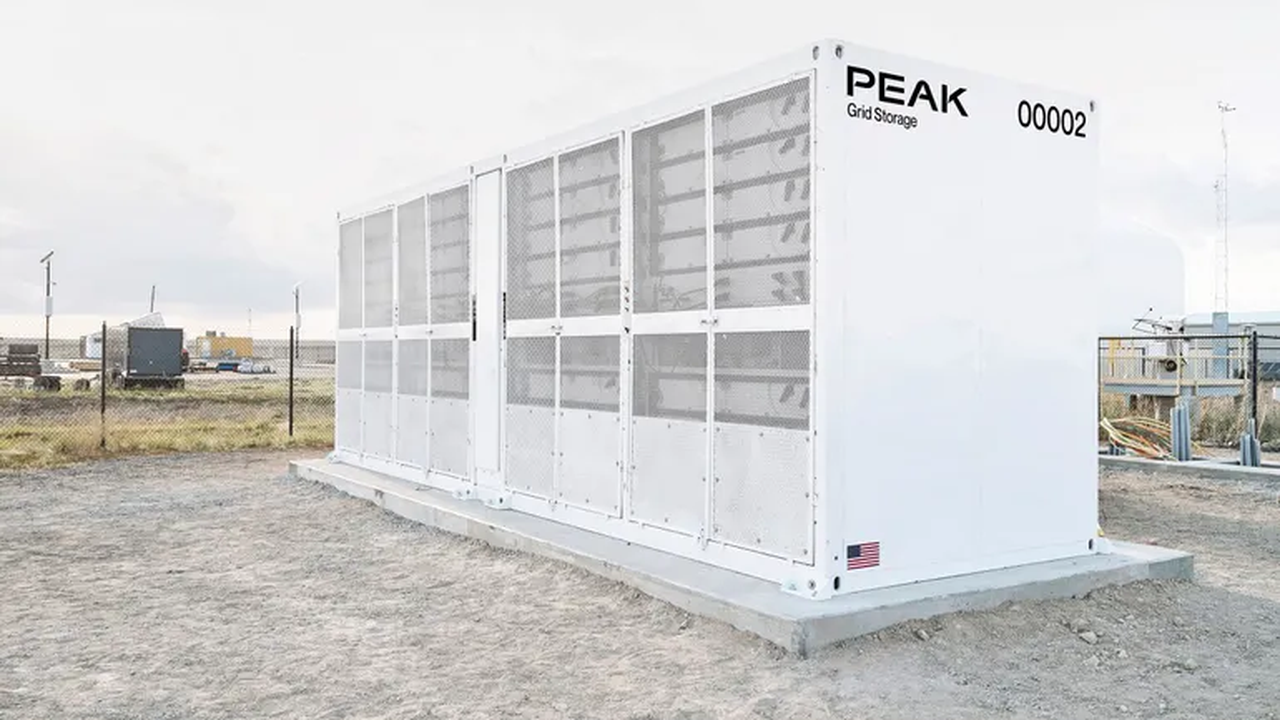
Under this partnership, GM will undertake the development and exclusive manufacturing of sodium-ion battery cells at its facilities in Michigan. Sodium-ion batteries leverage abundant and less costly raw materials compared to lithium-ion counterparts, thereby enhancing supply chain stability. Peak Energy will be responsible for integrating GM-produced sodium-ion cells into its proprietary passively cooled energy storage systems. This integrated system targets a cost reduction of up to 20% compared to existing energy storage solutions for data center and power grid applications. Furthermore, improvements in energy density and extended cycle life are anticipated, boosting the economic viability and reliability of these systems.
Background & Context
The increasing deployment of renewable energy sources and the growth of the electric vehicle (EV) market worldwide are driving a surging demand for large-scale energy storage solutions. Grid-scale stationary storage systems are particularly crucial for grid stabilization, peak demand management, and accommodating the intermittency of renewable energy generation. The U.S. recognizes the risks associated with its reliance on foreign sources for key battery materials and is actively promoting policies to strengthen domestic manufacturing capabilities and technological development. The partnership between GM and Peak Energy is a direct response to this need, accelerating the establishment of a robust domestic supply chain for sodium-ion batteries.
Strategic Significance & Outlook
The collaboration between GM and Peak Energy holds significant implications for bolstering U.S. energy independence and accelerating the clean energy transition. The target of achieving a 20% cost reduction makes grid-scale energy storage more economically feasible, offering an attractive solution for utilities and data centers grappling with rising power demands. This initiative is also expected to contribute to job creation, potentially establishing Michigan as a hub for sodium-ion battery technology development. In the future, the sodium-ion battery systems emerging from this partnership are expected to play a vital role in enhancing the resilience and sustainability of the U.S. electrical grid.
Get our weekly technology intelligence — free
Receive an infographic that lets you judge at a glance whether each field’s analysis report is worth reading.
Subscribe Free — Weekly Tech Intelligence
By subscribing, you’ll receive Troy-Technical’s weekly technology intelligence newsletter.
- Your email and selected fields are used only to deliver the newsletter.
- We never share your information with third parties.
- You can unsubscribe anytime via the link in each email.
See our Privacy Policy for details.
Takes about a minute · Unsubscribe anytime