Key Findings
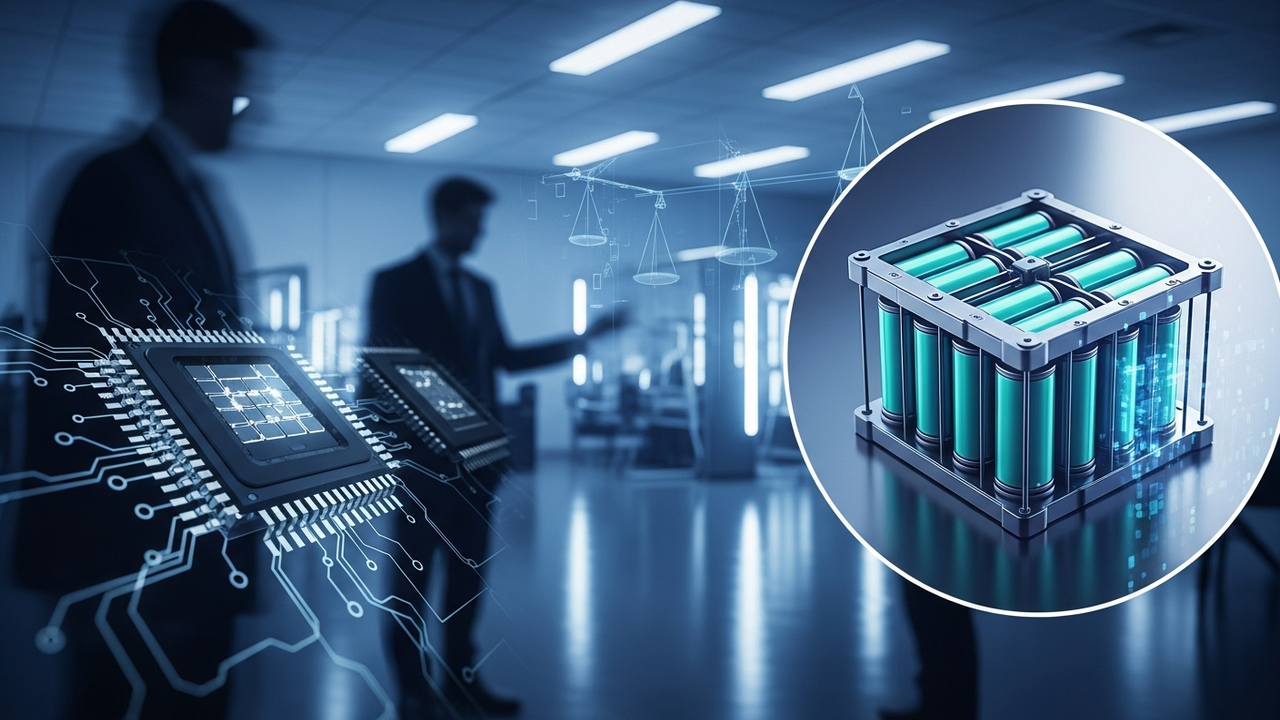
Sila Nanotechnologies has initiated patent infringement lawsuits against Chinese manufacturer Carbon One New Energy (C-ONE) before both the U.S. International Trade Commission (ITC) and a federal district court. These legal actions are aimed at safeguarding the intellectual property of Sila’s unique silicon anode technology, “Titan Silicon,” which is crucial for enhancing energy density and fast-charging capabilities in electric vehicles (EVs), drones, and consumer electronics.
Technical Details
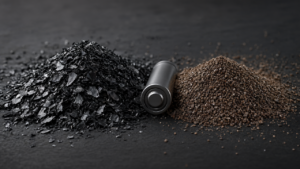
Sila’s “Titan Silicon” technology fundamentally improves battery performance by replacing traditional graphite anodes in lithium-ion batteries with high-performance silicon-based anodes. This innovation significantly boosts battery energy density and dramatically reduces charging times. The result is extended EV range, longer smartphone battery life, and increased drone flight times across a wide array of applications. The company has invested hundreds of millions of dollars into establishing a domestic manufacturing facility in Moses Lake, Washington, to enable giga-factory scale production of its silicon anode materials. The current lawsuits allege that C-ONE is importing silicon-carbon anode materials and products into the U.S. market that infringe upon Sila’s patented technology, leading Sila to seek exclusion orders to prevent further imports.
Background & Context
In the fiercely competitive landscape of next-generation battery technology, intellectual property protection is paramount for companies to maintain their competitive edge and continue innovation. The U.S., in particular, is actively promoting policies that encourage domestic production and innovation in clean energy technologies, aiming to strengthen its battery supply chain. This litigation is seen as part of a broader effort to defend American battery innovation and shield domestic companies from unfair competition. Silicon anode technology is widely recognized as one of the most promising solutions for near-term EV performance improvements, especially while solid-state batteries are still in the commercialization pipeline.
Strategic Significance & Outlook
The outcome of the lawsuits filed by Sila Nanotechnologies will likely set a significant precedent for intellectual property protection in U.S. battery technology, profoundly impacting the future of domestic innovation. If Sila’s claims are validated and infringing product imports are banned, it would further underscore the importance of domestic manufacturing within the U.S. battery supply chain. This would justify Sila’s investment in its Moses Lake facility and strengthen its position as a market leader, while also signaling to other U.S. battery companies the critical need for robust IP protection. Ultimately, ensuring a fair competitive environment is expected to accelerate the development and deployment of innovative battery technologies.
Source: https://sg.finance.yahoo.com/news/sila-files-u-itc-district-180200603.html
Get our weekly technology intelligence — free
Receive an infographic that lets you judge at a glance whether each field’s analysis report is worth reading.
Subscribe Free — Weekly Tech Intelligence
By subscribing, you’ll receive Troy-Technical’s weekly technology intelligence newsletter.
- Your email and selected fields are used only to deliver the newsletter.
- We never share your information with third parties.
- You can unsubscribe anytime via the link in each email.
See our Privacy Policy for details.
Takes about a minute · Unsubscribe anytime