Key Findings
This article provides a detailed comparison of the fundamental properties of thermoplastic and thermoset materials, evaluating their respective contributions to sustainability, particularly from the perspective of recyclability. It clearly delineates the strengths of each material type: thermoplastics offer excellent recyclability, while thermosets contribute to sustainability through their inherent durability and extended service life.
Technical / Clinical Details
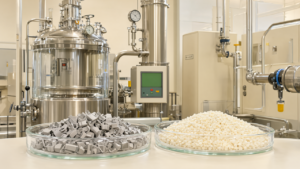
Thermoplastics can be repeatedly softened by heating and solidified by cooling without undergoing significant chemical changes. This property makes them highly amenable to post-consumer recycling, allowing materials to be reused multiple times and thus serving as a crucial component of the circular economy. Common examples include polyethylene (PE), polypropylene (PP), and polyethylene terephthalate (PET).
In contrast, thermoset resins undergo an irreversible chemical reaction during heating, forming robust covalent bonds (crosslinks) between polymer chains. Once this reaction is complete, they retain their shape and strength upon reheating, without softening. This irreversible nature provides superior heat resistance, mechanical strength, and dimensional stability, but simultaneously makes them impossible to remelt or easily recycle through conventional means. Examples include epoxy resins, phenolic resins, and unsaturated polyester resins.
Background & Context
With the increasing global consumption of plastics, waste management and resource depletion have become pressing worldwide concerns. Achieving a sustainable society necessitates comprehensive design and management strategies that consider the entire lifecycle of materials. While recycling technologies for thermoplastics are well-established, advanced techniques such as chemical recycling—aimed at breaking down the rigid cross-linked structures of thermosets back into monomers or oligomers—are currently under intensive development.
Strategic Significance & Outlook
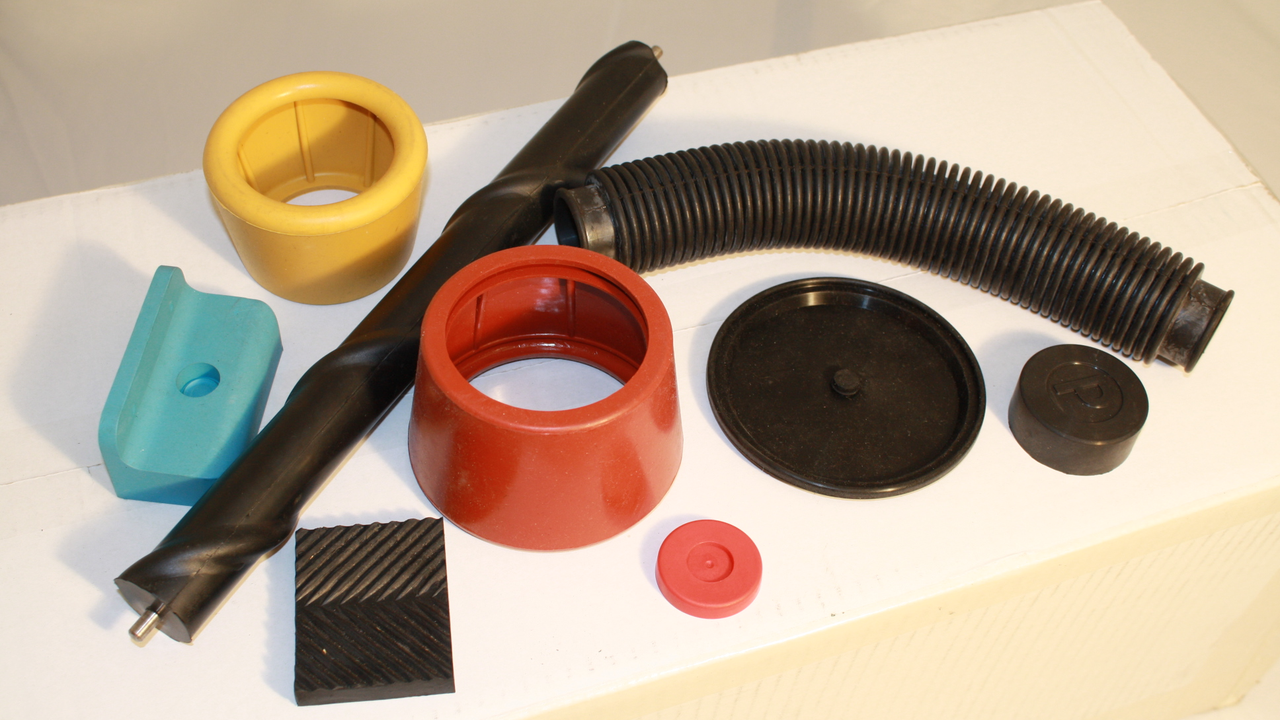
The selection of a material must carefully balance application requirements with sustainability objectives. Thermoplastics are ideal for products requiring frequent recycling or those with shorter lifespans. Thermosets, conversely, contribute to sustainability indirectly through their exceptional durability, which extends product lifetimes and reduces replacement frequency in applications demanding high reliability and longevity, such as aerospace components, wind turbine blades, and automotive structural parts. The commercialization of efficient chemical recycling technologies for thermosets will be key to further enhancing the overall sustainability of the composite materials industry, offering a comprehensive solution for critical engineering applications that also align with environmental goals.
Get our weekly technology intelligence — free
Receive an infographic that lets you judge at a glance whether each field’s analysis report is worth reading.
Subscribe Free — Weekly Tech Intelligence
By subscribing, you’ll receive Troy-Technical’s weekly technology intelligence newsletter.
- Your email and selected fields are used only to deliver the newsletter.
- We never share your information with third parties.
- You can unsubscribe anytime via the link in each email.
See our Privacy Policy for details.
Takes about a minute · Unsubscribe anytime