Key Findings
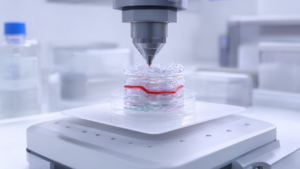
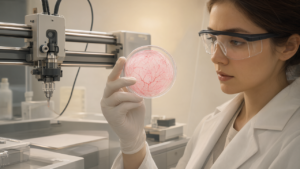
The manufacturing of cell and gene therapies faces a significant challenge in technology transfer, specifically the loss of ‘tacit knowledge’—undocumented expertise and nuanced skills crucial for process success. This issue directly impacts product yield and quality, especially in complex autologous therapies like CAR-T cell production, where manual steps such as cell isolation, expansion, and harvesting are heavily dependent on operator proficiency.
Technical / Clinical Details
Unlike small-molecule pharmaceuticals, cell and gene therapies exhibit high inherent variability, making their manufacturing processes and subsequent technology transfers inherently more complex. The industry’s growing engagement with Contract Development and Manufacturing Organizations (CDMOs) exacerbates these challenges. Key issues include navigating disparate GMP regulatory landscapes across different regions, managing the volatility of global supply chains, and establishing comparability between products manufactured at various sites. For instance, the subtle adjustments in cell culture conditions or the precise handling techniques during cell harvesting often constitute an ‘art’ that is difficult to codify in standard operating procedures, making efficient knowledge transfer from experienced personnel to new teams exceptionally challenging.
Background & Context
The cell and gene therapy sector is experiencing rapid expansion, leading many companies to outsource manufacturing to CDMOs due to limitations in in-house capacity. This trend is particularly evident in late-stage development and commercial production. However, this outsourcing model inherently risks the loss of critical manufacturing know-how and process-specific ‘tricks of the trade’ during handover from the innovator to the CDMO, or even between different sites within the same CDMO. Such inefficiencies can lead to manufacturing bottlenecks, increased costs, and delays in market entry, ultimately hindering the consistent supply of life-saving therapies to patients.
Strategic Significance & Outlook
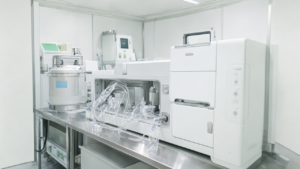
To overcome this ‘tacit knowledge barrier,’ the industry must prioritize several strategic initiatives. These include enhancing the standardization and digitalization of technology transfer protocols, implementing robust training and qualification programs, and fostering deeper communication and partnership models between innovators and CDMOs. Furthermore, the adoption of advanced manufacturing automation and real-time data monitoring systems is critical. These technologies can significantly reduce reliance on human tacit knowledge, improve process consistency, and enhance product quality and scalability. The ability to effectively manage and transfer manufacturing expertise will be a key determinant of success for cell and gene therapy developers and their partners, ensuring these groundbreaking treatments reach a broader patient population.
Get our weekly technology intelligence — free
Receive an infographic that lets you judge at a glance whether each field’s analysis report is worth reading.
Subscribe Free — Weekly Tech Intelligence
By subscribing, you’ll receive Troy-Technical’s weekly technology intelligence newsletter.
- Your email and selected fields are used only to deliver the newsletter.
- We never share your information with third parties.
- You can unsubscribe anytime via the link in each email.
See our Privacy Policy for details.
Takes about a minute · Unsubscribe anytime