Background
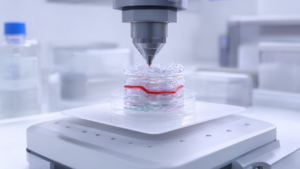
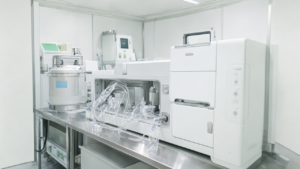
The manufacturing of cellular therapies has historically faced formidable challenges, characterized by inherent complexity, patient-specific customization, exorbitant costs, and rigorous quality control demands. Conventional, manual-intensive processes typically exhibit poor scalability, struggle with batch-to-batch inconsistency, and are susceptible to human error—factors that have severely constrained widespread commercialization. Automated solutions are strategically engineered to mitigate these critical bottlenecks by lowering manufacturing expenses, significantly enhancing product uniformity, and compressing production cycle times. This technological pivot is crucial for expanding accessibility to these groundbreaking therapies for a broader patient population. The substantial capital infusion into this sector unequivocally signals an industry-wide consensus: automation is an indispensable enabler for realizing the full potential and future viability of cell therapies.
Key Findings
The automated cell therapy manufacturing sector has demonstrated remarkable expansion, attracting approximately $1.1 billion in cumulative funding across 34 distinct investment rounds. This significant financial commitment highlights a pervasive conviction among industry stakeholders and investors regarding automation’s pivotal role in surmounting the intrinsic manufacturing hurdles that have historically impeded the commercialization of advanced cell and gene therapies.
Technical / Clinical Details
The substantial funding has been allocated across 23 companies dedicated to developing automated platforms for a diverse spectrum of advanced cell therapies. These encompass Chimeric Antigen Receptor T-cell (CAR-T) therapies, Tumor-Infiltrating Lymphocyte (TIL) therapies, Natural Killer (NK) cell therapies, induced Pluripotent Stem Cell (iPSC)-derived therapies, and various other stem cell-based treatments. A critical development is the significant regulatory endorsement from the U.S. FDA, which granted Advanced Manufacturing Technology (AMT) designations to Cellares’ Cell Shuttle platform and Ori Biotech’s IRO platform. This designation serves not only as a recognition of the innovative potential inherent in these automated systems but also provides accelerated regulatory pathways, poised to expedite their market entry and facilitate wider adoption.
Strategic Significance & Outlook
Advances in automated manufacturing technology are strategically positioned to streamline the arduous transition of cell therapy candidates from rigorous clinical trials to large-scale commercial production. This fundamental shift is expected to culminate in expanded patient access and, crucially, a potential reduction in treatment costs, democratizing access to these life-saving therapies. The proactive regulatory support, notably highlighted by the FDA’s AMT designations, is anticipated to further catalyze both technological innovation and the widespread adoption of safe, robust, and effective automated solutions. As this pivotal sector continues its maturation, forecasts predict sustained growth and potential consolidation, ultimately reshaping the entire paradigm of cell therapy delivery and profoundly influencing global healthcare ecosystems.
Get our weekly technology intelligence — free
Receive an infographic that lets you judge at a glance whether each field’s analysis report is worth reading.
Subscribe Free — Weekly Tech Intelligence
By subscribing, you’ll receive Troy-Technical’s weekly technology intelligence newsletter.
- Your email and selected fields are used only to deliver the newsletter.
- We never share your information with third parties.
- You can unsubscribe anytime via the link in each email.
See our Privacy Policy for details.
Takes about a minute · Unsubscribe anytime