Background: The Challenge of Diabetic Wounds and the Promise of Cell-Free Therapies
Diabetic skin infections represent critical complications, markedly increasing morbidity and mortality in patients, with conventional treatments frequently proving inadequate. While cell-based therapies, such as stem cell transplantation, offer promise in regenerative medicine, they are plagued by concerns over safety (e.g., tumorigenicity, immunogenicity), manufacturing complexity, and prohibitive costs. Exosomes, as acellular entities, are emerging as ‘cell-free cell therapies’ that can circumvent many of these hurdles. Integrating exosomes with biomaterials is seen as a pivotal strategy to unleash their full therapeutic potential.
Key Findings: Exosome-Biomaterial Platforms Offer Safety and Efficacy, But Face Translation Hurdles
A recent review in the International Journal of Nanomedicine highlights exosome-biomaterial composite platforms as a promising avenue for treating diabetic skin infections. The study underscores exosomes’ capacity to mitigate key safety concerns linked to cell-based therapies, including tumorigenicity, immune rejection, and poor post-transplantation cell viability. This potential positions them as a new therapeutic frontier for intractable skin infections in diabetic patients.
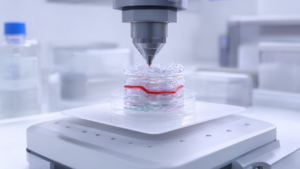
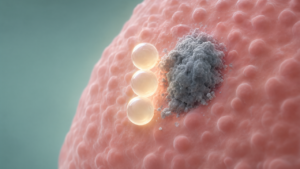
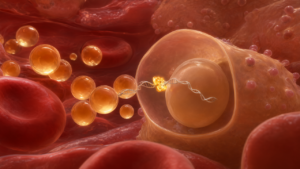
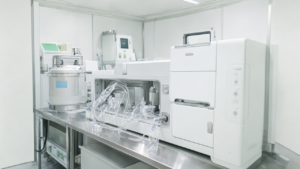
Hyperglycemia in diabetes impairs immune function, significantly increasing susceptibility to chronic wounds and infections. Exosomes are nanoscale extracellular vesicles secreted by various cells, including stem cells, and are loaded with a complex cargo of growth factors, proteins, lipids, and nucleic acids (e.g., mRNA, miRNA). Upon reaching target cells, they orchestrate diverse biological responses, such as anti-inflammation, angiogenesis promotion, tissue regeneration, and immune modulation. The review examines strategies for integrating exosomes with biomaterials like hydrogels, nanofibers, and microneedles. These composites aim to enhance exosome stability, improve localized delivery, and prolong therapeutic efficacy. Despite their promise, substantial hurdles impede the clinical translation of exosome-based therapies. These include addressing the inherent heterogeneity of exosome sources (leading to functional variations based on cell origin), standardizing therapeutic dosing, developing large-scale and scalable manufacturing protocols, ensuring long-term storage stability, conducting rigorous biosafety evaluations, navigating complex regulatory classifications (e.g., drug, medical device, or regenerative medicine product), and designing robust clinical trials.
Outlook: Paving the Way for Clinical Impact
This review posits that exosome-biomaterial composite platforms hold the potential to revolutionize the management of diabetic skin infections. Future research must prioritize exosome quality control, standardize manufacturing processes, and clarify regulatory pathways. Equally crucial are deepening the understanding of in vivo pharmacokinetics and pharmacodynamics, and transitioning optimized composite platforms into well-designed clinical trials. Successful navigation of these challenges could usher in groundbreaking advancements in diabetic wound healing, profoundly enhancing the quality of life for a vast patient population.
Get our weekly technology intelligence — free
Receive an infographic that lets you judge at a glance whether each field’s analysis report is worth reading.
Subscribe Free — Weekly Tech Intelligence
By subscribing, you’ll receive Troy-Technical’s weekly technology intelligence newsletter.
- Your email and selected fields are used only to deliver the newsletter.
- We never share your information with third parties.
- You can unsubscribe anytime via the link in each email.
See our Privacy Policy for details.
Takes about a minute · Unsubscribe anytime