Key Findings
The U.S. plastics industry is actively lobbying for a pivotal reclassification of advanced recycling facilities: to be recognized legally as “manufacturing facilities” instead of “waste management facilities.” This shift is deemed critical for boosting the commercial viability and easing the permitting burden on these operations, thereby accelerating the growth of chemical recycling technologies.
Technical / Clinical Details
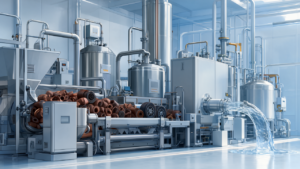
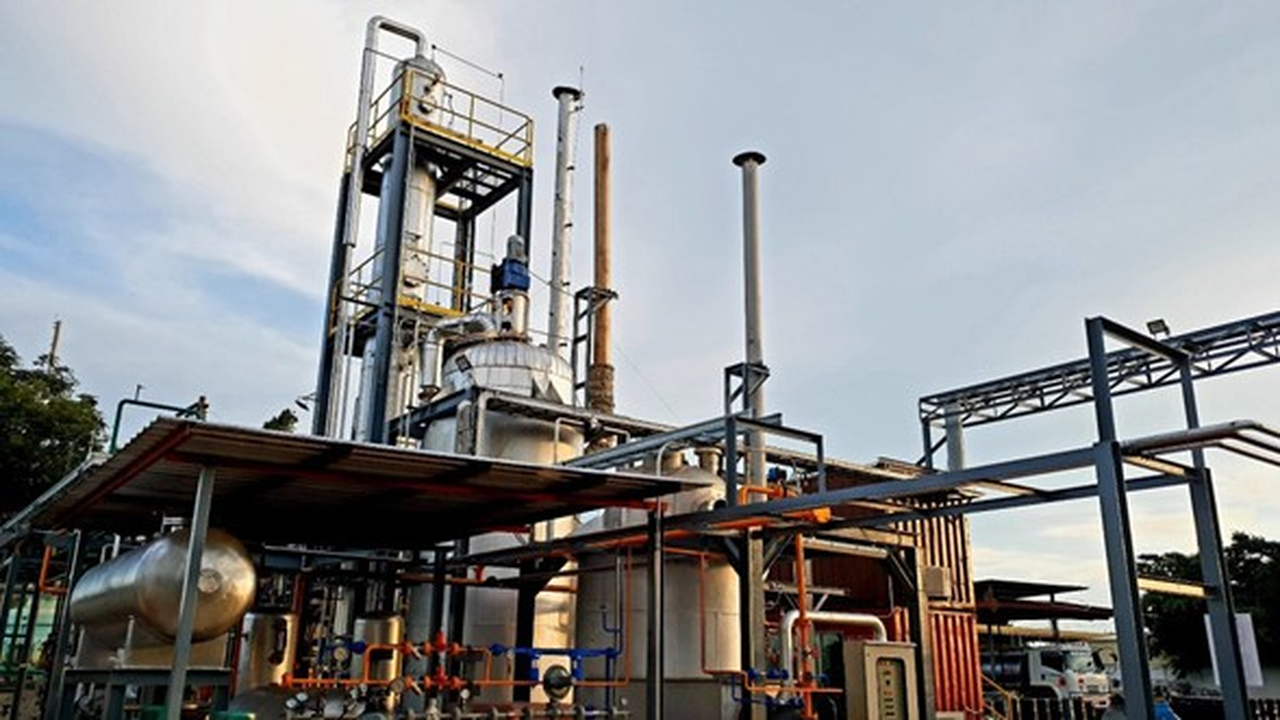
Advanced recycling facilities employ sophisticated thermal or chemical processes, notably pyrolysis and depolymerization, to break down post-consumer polymers into their constituent monomers or hydrocarbon fractions. This transformation enables the recovered materials to serve as feedstocks for new plastic production, effectively closing the loop on plastic waste. Regulatory bodies are intensely reviewing these operations, with particular emphasis on:
- Effective control of contaminants: Ensuring that any hazardous substances generated during processing are safely managed.
- Sound management of residual streams: Verifying that byproducts and residues are disposed of in an environmentally responsible manner.
- Reliable emissions control: Confirming that atmospheric emissions meet rigorous environmental standards and are minimized.
These stringent oversight measures are essential to validate the safety and environmental integrity of chemical recycling processes.
Background & Context
Currently, many chemical recycling operations are categorized as waste management facilities due to their role in processing waste materials. This classification often imposes more stringent environmental regulations, complex permitting requirements, and higher operational costs compared to traditional manufacturing plants. The industry argues that to truly establish a circular economy for plastics, chemical recycling must be viewed as a manufacturing process that creates new raw materials, analogous to virgin plastic production. This reclassification is expected to encourage investment, expand recycling capacity, and divert a greater volume of plastic waste from landfills and incineration.
Strategic Significance & Outlook
A successful reclassification would streamline the regulatory landscape for chemical recycling, allowing facilities to operate under a framework more aligned with manufacturing. This represents a significant step towards establishing a robust circular plastics economy in North America. However, environmental advocacy groups and some state regulators have expressed concerns regarding the environmental impact of chemical recycling, particularly the potential for increased emissions or mishandling of byproducts. The ongoing debate underscores the challenge of balancing industrial innovation with environmental protection, making future legislative and regulatory developments in this area critically important.
Get our weekly technology intelligence — free
Receive an infographic that lets you judge at a glance whether each field’s analysis report is worth reading.
Subscribe Free — Weekly Tech Intelligence
By subscribing, you’ll receive Troy-Technical’s weekly technology intelligence newsletter.
- Your email and selected fields are used only to deliver the newsletter.
- We never share your information with third parties.
- You can unsubscribe anytime via the link in each email.
See our Privacy Policy for details.
Takes about a minute · Unsubscribe anytime