Key Findings
The National Medical Products Administration (NMPA) of China has granted approval to CARsgen Therapeutics for its solid tumor Chimeric Antigen Receptor (CAR) T-cell therapy, satri-cel, targeting HER2-negative, Claudin18.2-positive advanced gastric adenocarcinoma and gastroesophageal junction adenocarcinoma. This landmark approval represents the first commercialization of a CAR T-cell therapy for solid tumors in a major regulated market, offering a revolutionary treatment option for solid cancers that have historically been difficult to treat.
Technical / Clinical Details
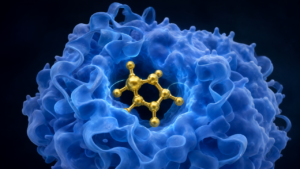
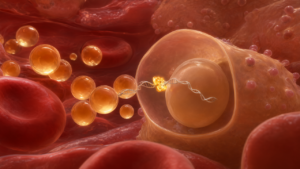
Satri-cel (development code: CT041) is an autologous CAR T-cell therapy that targets Claudin18.2, a protein frequently overexpressed on the surface of cancer cells in a significant proportion of gastric and gastroesophageal junction adenocarcinomas, making it an effective target. CARsgen reported promising efficacy and an acceptable safety profile for satri-cel in patients with advanced gastric cancer during its multi-center Phase 1b/2 clinical trial conducted in China. Specifically, the therapy achieved an objective response rate (ORR) of approximately 48% and a disease control rate (DCR) of around 80% in patients refractory to existing treatments. The main side effects, consistent with other CAR T-cell therapies, included cytokine release syndrome (CRS) and neurotoxicity (ICANS), both of which were manageable. This achievement suggests a partial overcoming of the challenges faced by CAR T-cell therapies in the solid tumor microenvironment, such as difficulties in tumor infiltration and T-cell exhaustion.
Background & Context
CAR T-cell therapy has achieved remarkable success against hematological malignancies such as acute lymphoblastic leukemia and non-Hodgkin lymphoma. However, solid tumors present unique challenges including immunosuppressive microenvironments, poor CAR T-cell homing capabilities to tumors, and a lack of uniform antigen expression, which had previously prevented regulatory approvals. China has been at the forefront of CAR T-cell therapy clinical development globally, and the approval of satri-cel symbolizes the country’s growing biopharmaceutical innovation capacity. This approval is expected to prompt other regulatory bodies, including the U.S. FDA, to re-evaluate their criteria for solid tumor CAR T-cell therapies and methods for assessing clinical data. Given the FDA’s expressed openness to accepting clinical trial data from China, the likelihood of satri-cel gaining approval in the US market appears elevated.
Strategic Significance & Outlook
The approval of satri-cel in China brings new hope for patients with solid cancers treated with CAR T-cell therapy. CARsgen Therapeutics will likely now focus on advancing discussions with U.S. regulatory authorities, aiming for global expansion of satri-cel. If U.S. approval is granted, it would significantly broaden treatment options for patients with gastrointestinal cancers. This breakthrough also has the potential to accelerate research and development efforts to identify new targets like Claudin18.2 in other solid tumors, such as pancreatic and ovarian cancers. Furthermore, this success is expected to stimulate investment in novel cell engineering strategies and combination therapies to overcome the solid tumor microenvironment, contributing to the overall progress of CAR T-cell therapies.
Get our weekly technology intelligence — free
Receive an infographic that lets you judge at a glance whether each field’s analysis report is worth reading.
Subscribe Free — Weekly Tech Intelligence
By subscribing, you’ll receive Troy-Technical’s weekly technology intelligence newsletter.
- Your email and selected fields are used only to deliver the newsletter.
- We never share your information with third parties.
- You can unsubscribe anytime via the link in each email.
See our Privacy Policy for details.
Takes about a minute · Unsubscribe anytime