Background
While perovskite solar cells (PSCs) offer promising high power conversion efficiencies, one of their most significant challenges has been their stability and durability. PSCs are particularly susceptible to environmental factors such as atmospheric moisture, oxygen, heat, and UV radiation, making it difficult to maintain performance over long periods in real-world conditions. Without resolving this stability issue, widespread outdoor installation and competition with established silicon solar cell technologies have remained formidable. Therefore, developing PSCs with a practical operational lifespan has been a top global priority for commercialization.
Key Findings / Results
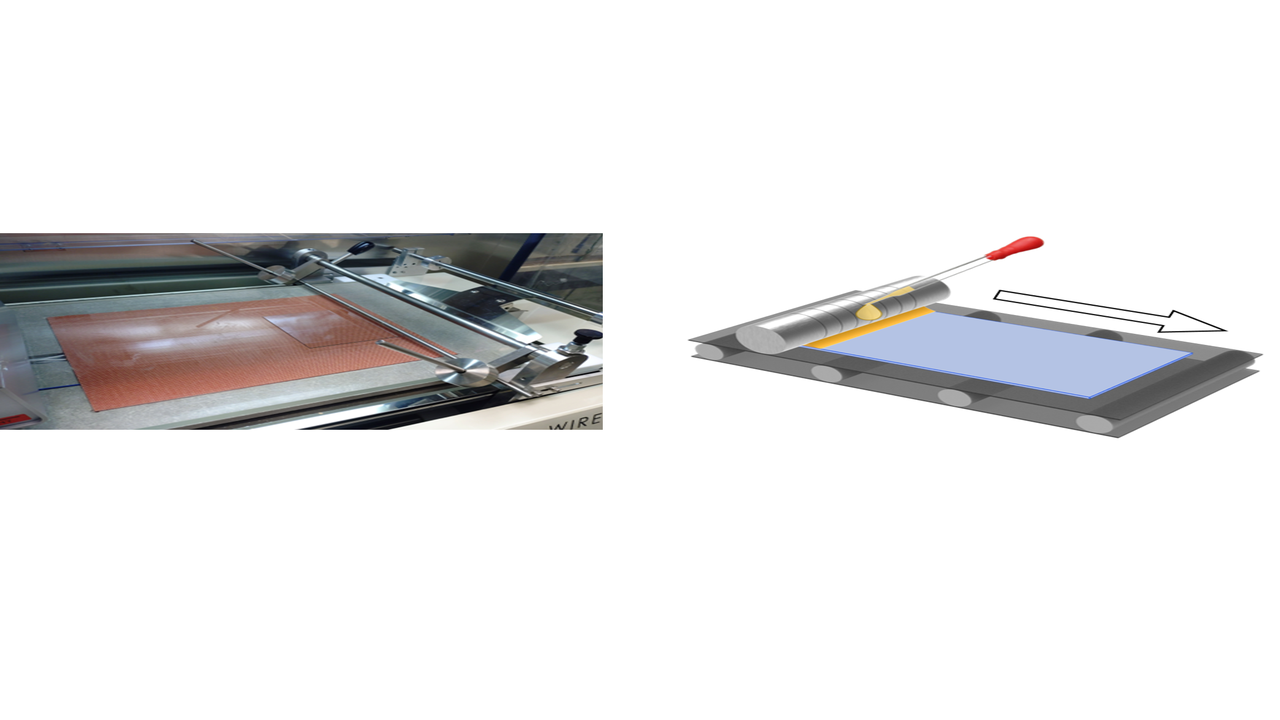
A research team at Kanazawa University has announced the successful development of long-life perovskite solar cell modules that operate stably even under ambient atmospheric conditions. This innovative technology focuses on precisely controlling the crystal grain boundaries within the perovskite layer and effectively reducing internal material defects. Specifically, by introducing particular material modification techniques, the team managed to suppress thermal diffusion—a primary cause of solar cell performance degradation—and maintain the structural integrity of the crystal over extended periods. This significantly improved the resistance to harmful atmospheric substances like moisture and oxygen, demonstrating excellent durability in rigorous atmospheric exposure tests. This achievement provides an effective solution to the long-standing problem of perovskite solar cell instability.
Technical Significance & Outlook
This research outcome from Kanazawa University represents a major step towards the commercialization of perovskite solar cells. The assurance of long-term stability under ambient conditions dramatically enhances their applicability in outdoor photovoltaic systems. By overcoming the critical durability bottleneck, perovskite solar cells are expected to accelerate their adoption in a wide range of applications, including building-integrated photovoltaics (BIPV), flexible devices, as well as automotive and wearable electronics. Future challenges include further long-term reliability evaluations under even harsher environmental conditions (e.g., meeting IEC standards) and establishing large-area module manufacturing techniques. Nevertheless, this technology marks a crucial milestone towards realizing practical products with lifetimes comparable to conventional silicon solar cells. This Japanese innovation holds the potential to significantly contribute to the global proliferation of renewable energy.





Comments