Background
Perovskite solar cells (PSCs) have garnered immense expectations as a next-generation photovoltaic technology due to their excellent power conversion efficiency and potential for low-cost manufacturing. However, a primary impediment to their widespread commercialization has been their long-term stability under operating conditions, specifically their vulnerability to heat, light, and humidity. Conventional perovskite cells have shown a tendency to degrade rapidly when exposed to these environmental factors, making it challenging to ensure a practical product lifespan. Resolving this stability issue is an indispensable step for PSCs to genuinely compete with existing silicon solar cells and penetrate the market.
Key Findings / Results
Entering 2026, groundbreaking progress in the long-term stability of perovskite solar cells has been reported. This breakthrough focuses on innovative material engineering techniques, aiming to fundamentally strengthen the crystal structure of perovskite materials under operational stress. Specifically, a combination of precise grain boundary control, defect passivation, and novel compositional designs has been employed, establishing mechanisms to suppress degradation from within the perovskite layer. The improved perovskite solar cells have demonstrated the ability to retain a high percentage of their initial performance even after prolonged exposure to heat and light. This significantly enhances the device’s durability without sacrificing conversion efficiency, making a substantial contribution to achieving a practical operational lifetime.
Technical Significance & Outlook
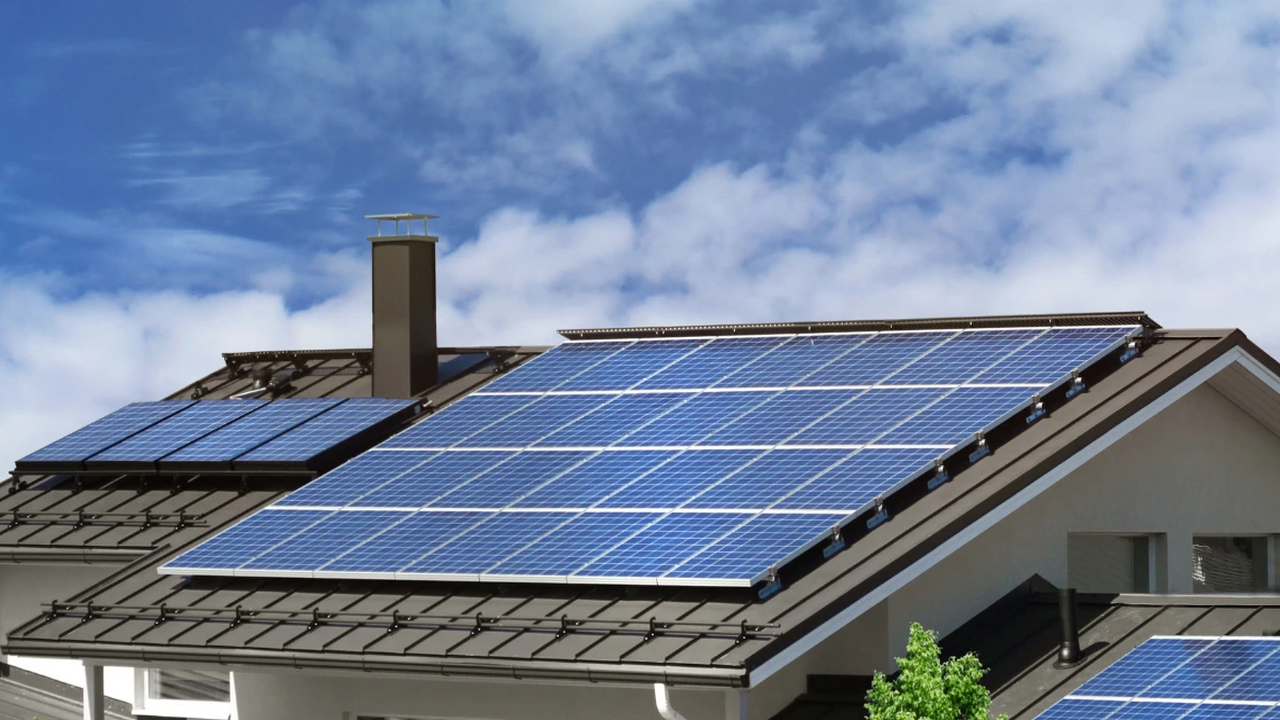
This advancement in stability holds paramount importance for the commercialization trajectory of perovskite solar cells. Given that durability has been one of the biggest barriers, this breakthrough has the potential to substantially accelerate market entry. Perovskite solar cells are particularly promising as top cells in tandem solar cells (e.g., perovskite-silicon tandems), and improved stability offers a significant opportunity to greatly enhance the overall performance and lifespan of tandem structures, thereby further increasing overall energy conversion efficiency. This will facilitate the adoption of perovskite solar cells in real-world photovoltaic installations across a wide range of applications, including rooftops, facades, and mobility. Moving forward, how these technologies are integrated into large-scale manufacturing processes and comply with international certification standards (e.g., IEC standards) will be key to their societal implementation. While challenges related to environmental safety and lead-free alternatives remain, this stability improvement is expected to provide a strong foundation for overcoming those hurdles.
Source: https://www.sunhub.com/blog/perovskite-solar-cells-stability/






Comments