Background: Surging Demand for Battery Recycling in Europe
The European Union (EU) is aggressively promoting the adoption of electric vehicles (EVs) and renewable energy, placing significant emphasis on the sustainability of batteries throughout their entire lifecycle. Establishing in-region battery recycling capabilities has become an urgent priority, driven by the need to reduce geopolitical risks associated with raw material sourcing, promote circular resource utilization, and minimize environmental impact. New EU battery regulations mandate the use of recycled content and set ambitious collection targets, making the development of large-scale recycling infrastructure essential to meet these requirements.
Key Findings / Results: Redwood Materials to Build Major Recycling Facility in Europe
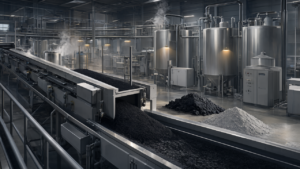
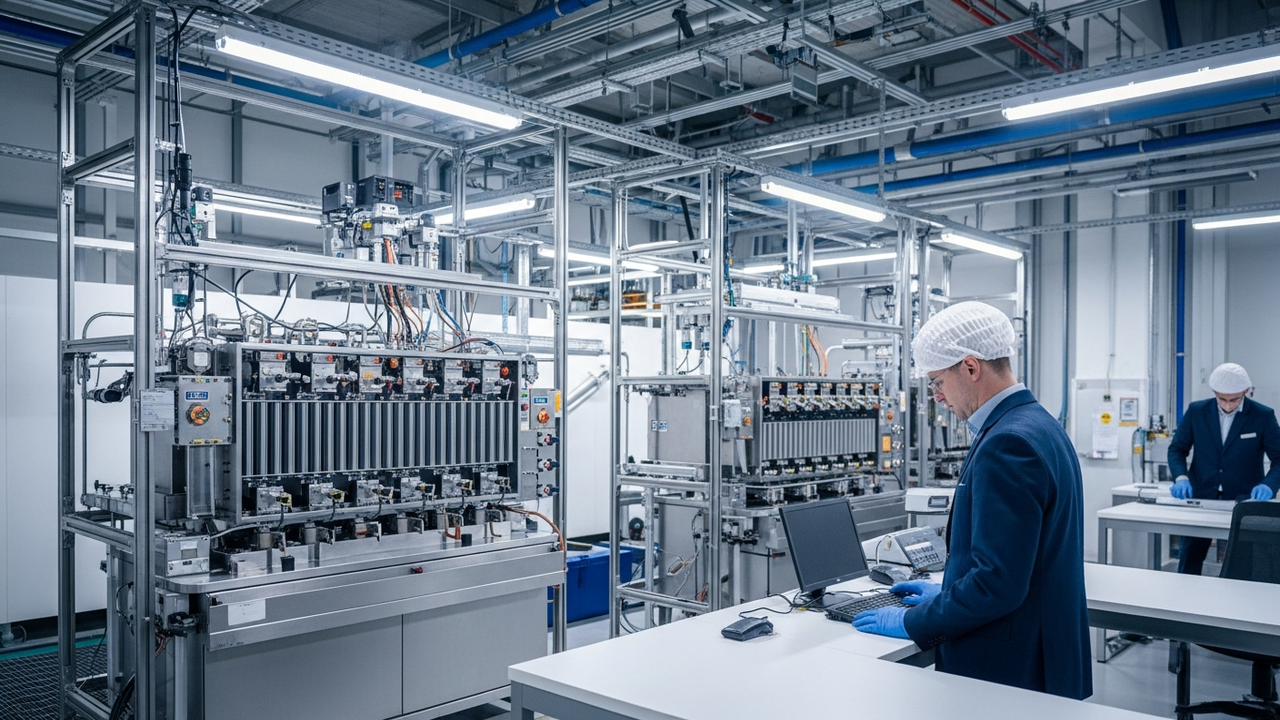
Redwood Materials, an advanced battery recycling company based in the United States, has announced plans to construct a new large-scale recycling plant in Europe to meet the rapidly increasing demand for lithium-ion battery recycling in the region. This strategic investment aims to strengthen Europe’s internal supply chain and support sustainable battery production. The new plant will efficiently recover valuable metals such as lithium, nickel, cobalt, and copper from end-of-life electric vehicle (EV) batteries, manufacturing scrap, and other battery products. Redwood Materials intends to achieve high recovery rates and produce high-quality recycled materials by combining hydrometallurgical processing with advanced refining techniques.
- Developer: Redwood Materials.
- Location: Europe (specific country undisclosed).
- Investment Scale: Planned multi-billion euro investment.
- Target Processing Capacity: Tens of thousands of tons of battery materials annually.
- Objective: Recovery of valuable raw materials and establishment of a closed-loop supply chain.
- Target Materials: End-of-life EV batteries, battery manufacturing scrap.
Technical Significance & Outlook: Revolutionizing Battery Resource Management
Redwood Materials’ plan to build a recycling plant in Europe clearly underscores the growing importance of resource circularity in the global battery industry. This initiative will expand the global infrastructure for battery recycling and serve as a crucial element for Europe in establishing an autonomous supply chain. Technically, the combination of hydrometallurgy and direct recycling techniques holds the potential for lower environmental impact, higher recovery rates, and greater cost efficiency compared to conventional processes. In the market, the stable supply of high-quality recycled raw materials will enable battery manufacturers to reduce their reliance on virgin mined resources and enhance supply chain resilience. Furthermore, the recycling industry itself will experience significant growth, creating new business opportunities in logistics, processing technologies, and material supply. Future challenges include establishing efficient battery collection networks, adapting to diverse battery chemistries, and navigating regulatory compliance, but this investment represents a critical step towards realizing a clean energy economy.