Background
The insatiable demand for artificial intelligence (AI) and high-performance computing (HPC) has fundamentally reshaped the semiconductor industry, shifting focus beyond traditional transistor scaling to advanced packaging solutions. As AI chips become increasingly complex and data-intensive, integrating multiple dies into a single package, such as with CoWoS (Chip on Wafer on Substrate) and SoIC (System on Integrated Chips), has become paramount for achieving performance and power efficiency targets. TSMC, a dominant player in foundry services, has been at the forefront of developing and deploying these sophisticated packaging technologies.
Key Findings / Results
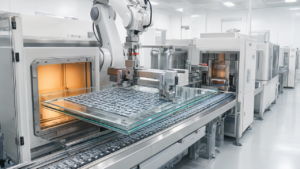
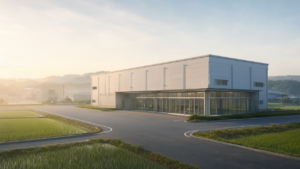
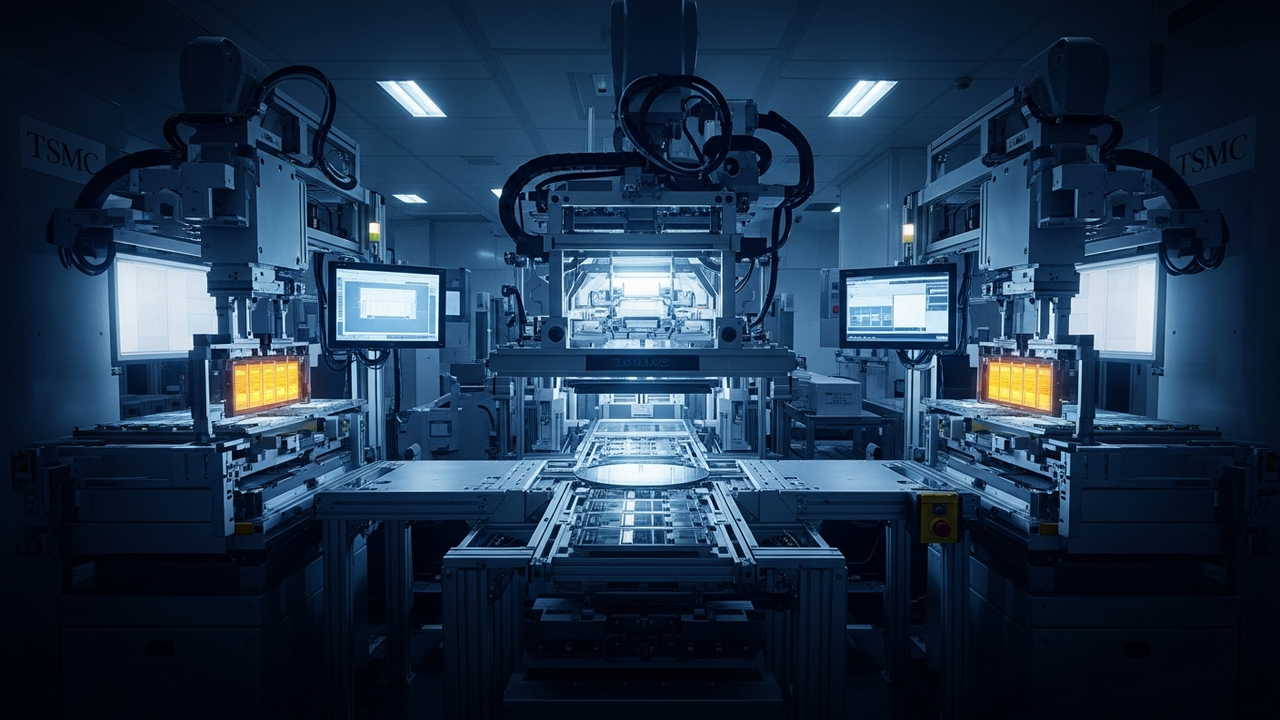
TSMC announced a significant acceleration of its advanced packaging capacity expansion for both CoWoS and SoIC, directly responding to the robust AI market growth. During its 2026 Technology Symposium, the company detailed advancements in its leading-edge process nodes, showcased its comprehensive 3DFabric advanced packaging roadmap, and highlighted its global manufacturing footprint strategy, including the deployment of AI-powered smart manufacturing. A staggering 18 new fabs and advanced packaging facilities are currently under construction worldwide, underscoring TSMC’s commitment to bolstering supply. This aggressive build-out is critical for accommodating the increasingly intricate architectures of AI/HPC chips that rely heavily on dense inter-die connections and superior power delivery facilitated by these advanced packaging schemes.
Technical Significance & Outlook
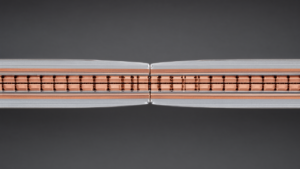
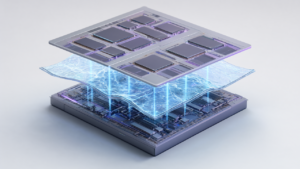
The rapid expansion of CoWoS and SoIC capacity carries profound technical and industrial significance. CoWoS, a 2.5D packaging solution, is essential for integrating logic dies with HBM stacks, a configuration central to leading AI accelerators. SoIC, a 3D chip stacking technology, offers even higher inter-die connection density by enabling face-to-face bonding, paving the way for ultra-compact and high-bandwidth chiplet designs. This capacity ramp-up directly addresses a critical bottleneck in the AI semiconductor supply chain, which has seen extended lead times for advanced packaged components. By expanding globally and integrating AI into manufacturing, TSMC aims to enhance efficiency, reduce time-to-market, and provide a more resilient supply network. This strategic investment is poised to unlock further innovation in AI hardware, enabling the development of even more powerful and efficient computing platforms.
Source: #