
Background
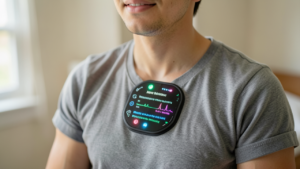
With the rising incidence of chronic diseases and an aging global population, there is an increasing demand for wearable diagnostic technologies that can continuously monitor health conditions while minimizing patient burden. Early detection and appropriate management of conditions like renal dysfunction and thyroid disorders are crucial. However, current diagnostic methods often involve invasive procedures or require frequent clinic visits, which can diminish patients’ quality of life. In response, technological innovations in non-invasive, real-time wearable biosensors are gaining significant attention.
Key Findings / Results
The May 2026 issue of the academic journal “Biosensors” consolidates cutting-edge research in wearable biosensing, focusing particularly on the following aspects:
- Non-invasive Monitoring of Renal Function Biomarkers: Continuous monitoring of biomarkers like creatinine and blood urea nitrogen is essential for early detection and progression management of kidney diseases. The issue features wearable sensor technologies designed to detect these biomarkers from non-invasive biofluids such as sweat, interstitial fluid, and saliva. Electrochemical, optical, and field-effect transistor (FET)-based sensors are highlighted as particularly promising due to their high sensitivity and selectivity.
- Innovations in Materials Engineering: The development of biocompatible, flexible, and durable materials is critical for enhancing the performance of wearable devices. Numerous material engineering strategies are discussed, including flexible substrate materials and the integration of nanomaterials for signal amplification, all aimed at realizing high-performance wearable sensors.
- POC Monitoring of Thyroid Hormone (T4): A label-free biosensing platform based on silicon nanowire field-effect transistors (SiNW-FET) has been developed, enabling rapid point-of-care (POC) monitoring of thyroid hormone (T4). This advancement promises to make the diagnosis and treatment monitoring of thyroid disorders simpler and quicker.
Technical Significance & Outlook
This special issue of MDPI Biosensors underscores the importance of wearable biosensing technology in shaping the future of non-invasive, continuous health monitoring. The ability to routinely monitor critical biomarkers such as renal function and thyroid hormones at home significantly contributes to early disease detection, personalized treatment plans, and optimized healthcare resource utilization. Specifically, it will empower chronic disease patients with enhanced self-management capabilities and promote preventive medicine. Future developments are expected to include multi-biomarker simultaneous detection, advanced data analysis through AI integration, and extensive clinical validation, leading to widespread practical implementation of these technologies globally.








Comments