Background: The Untapped Potential of Biocompatible Electronics
Traditional electronic circuits, based on rigid materials like silicon, have inherent limitations when it comes to long-term interfacing with the soft, continuously moving tissues of the human body. Particularly for medical devices requiring direct contact with the brain or nervous system, rigid implants pose risks of tissue damage and inflammatory responses. However, with the growing demand for wearable devices, implantable sensors, and neural prosthetics, there has been a strong impetus to realize ‘soft electronics’ that match the mechanical properties of biological tissues. This field necessitates the development of new functional materials with flexibility, stretchability, and biocompatibility, along with circuit technologies that utilize them.
Camille Cunin’s Innovations in Soft Electronics
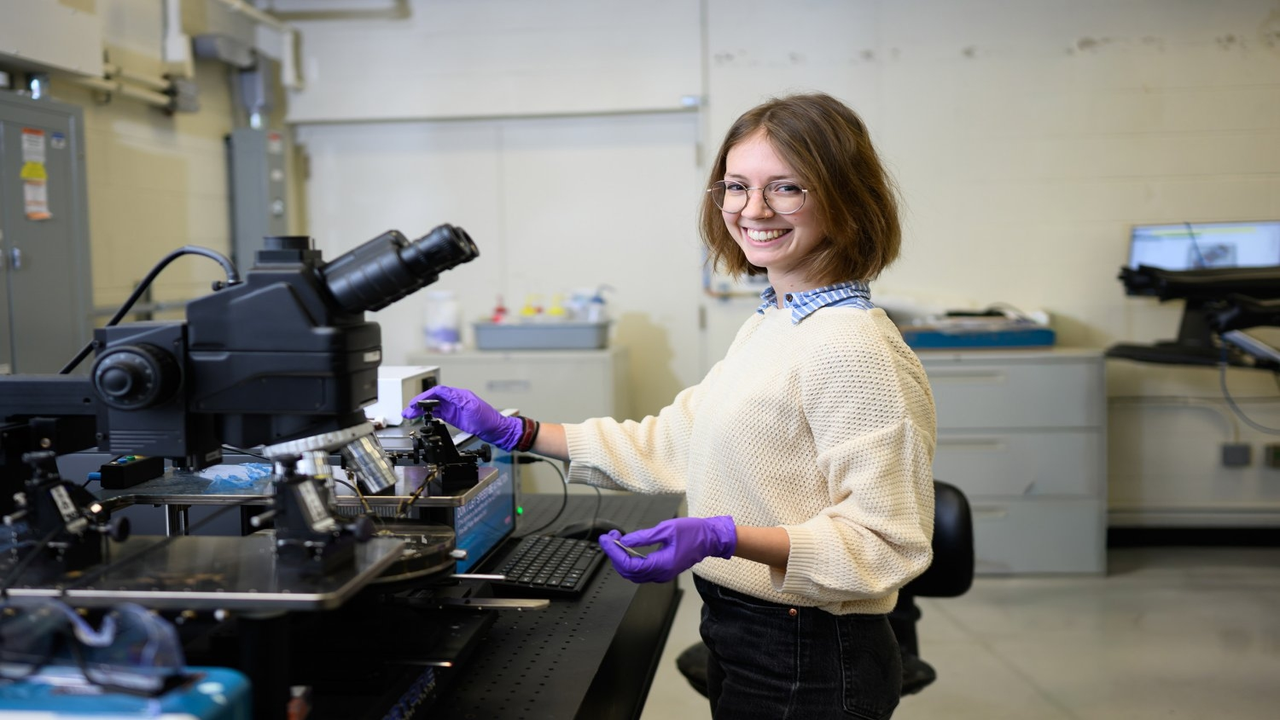
Camille Cunin, a recent PhD graduate from the Massachusetts Institute of Technology (MIT), has unveiled groundbreaking research in the field of soft electronics. Her work focuses on overcoming the limitations of conventional rigid circuits by developing stretchable, signal-amplifying bioelectronic devices.
- Development of Polymer-Metal Composites: Cunin engineered unique composite materials that combine flexible polymers with conductive metallic components. These composites exhibit high stretchability while maintaining electrical conductivity, which is crucial for enabling stable signal transmission while conforming to the movements of biological tissues.
- Organic Transistors for Bio-Signal Amplification: Central to her research is the development of organic transistors that efficiently amplify bio-signals using these composite materials. Accurately detecting weak electrical signals within the body (e.g., neural activity or electrocardiogram signals) and boosting their strength for external readout is essential for diagnostic and therapeutic devices. Organic transistors are particularly well-suited for soft electronics applications due to their flexibility and low-voltage operation.
Through this technology, Cunin has achieved a more natural and less invasive interface with biological tissues, a feat challenging to accomplish with rigid electronic circuits.
Technical Significance and Future Medical Applications
Cunin’s research, at the intersection of materials science and biomedical engineering, holds the potential to profoundly impact the future of medicine. Its technical significance and future application prospects are:
- Brain-Implantable Electrodes in Neurotechnology: This work enables the development of safer, long-term stable implantable electrodes for brain activity monitoring, treatment of neurological disorders (such as deep brain stimulation for Parkinson’s disease), or brain-machine interfaces (BMIs) for prosthetic control. Soft electrodes reduce the risk of brain tissue damage and facilitate more natural signal detection.
- Wearable Biosensors: It contributes to improving the performance of high-sensitivity biosensors that can be directly applied to the skin for continuous monitoring of heart rate, respiratory rate, muscle activity, and more. This will further advance preventive medicine, sports science, and telemedicine.
- Biocompatible Actuators: Applications in flexible robots and artificial muscles are also anticipated, leading to the development of medical devices that assist body movements, such as swallowing assistance devices for patients with dysphagia.
- Drug Discovery and Disease Research: A long-term, stable interface with biological tissues provides new research tools for more accurately tracking drug pharmacokinetics and disease progression in vivo.
This research represents a profoundly important step in bridging fundamental materials science insights with innovative medical devices that directly contribute to improving patients’ quality of life.
Source: https://oge.mit.edu/oge_news/solving-hard-problems-in-soft-electronics/








Comments