Background
The importance of power devices is escalating in sectors demanding high power density and efficiency, such as electric vehicles (EVs), renewable energy systems, and industrial equipment. These devices generate significant heat during operation, necessitating interconnects that offer excellent thermal and electrical conductivity, along with stability at high temperatures. Traditional lead-free solders have limitations in melting point and high-temperature reliability, prompting the search for superior joining technologies.
Copper (Cu) is an ideal material due to its outstanding thermal and electrical conductivity. However, direct sintering of Cu nanoparticles is challenging due to their propensity to oxidize, posing practical hurdles. Transient Liquid Phase Bonding (TLPB) is a promising technology that forms joints at low temperatures, ultimately creating high-melting intermetallic compounds (IMCs) capable of enduring high-temperature operation. Nevertheless, TLPB traditionally requires extended processing times, presenting another obstacle to widespread adoption.
Key Findings / Results
This research paper, published in MDPI, proposes a combination of Sn (tin)-coated Cu solder paste and TLPB technology to overcome these challenges in power device packaging. The researchers employed the following innovative approaches:
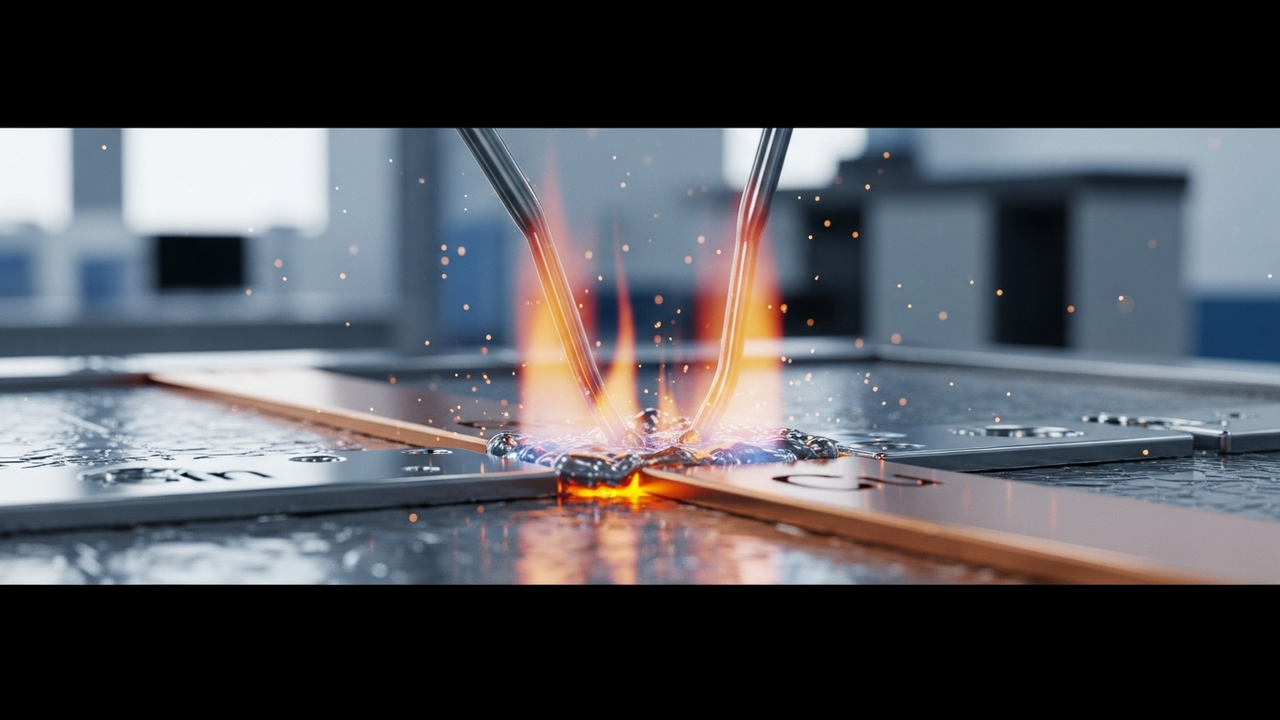
- Preparation of Sn-Coated Cu Particles: By chemically plating the surface of copper particles with tin, the researchers effectively prevented the oxidation of Cu particles during the sintering process. Tin readily alloys with copper, inhibiting the formation of oxide layers and simultaneously facilitating the TLPB process. This pre-treatment is crucial for achieving high-quality bonds.
- Optimized TLPB Process: The Sn-coated Cu particles were formulated into a paste and used for bonding. This method significantly reduced processing time compared to conventional TLPB, while still forming high-melting Cu-Sn intermetallic compounds (e.g., Cu6Sn5, Cu3Sn). These IMCs possess superior high-temperature strength and thermal conductivity, and being lead-free, they align with environmental regulations.
- Enhanced Reliability: The TLPB process utilizing this Sn-coated Cu solder paste allows for joining at relatively low temperatures. This reduces the thermal stress imposed on power devices during assembly, thereby decreasing the risk of device damage and improving overall reliability and yield. The final joint exhibits a higher melting point than conventional Pb-free solders, ensuring stable operation at elevated temperatures, which is critical for modern power modules.
Experimental results confirmed that the joints formed by this method demonstrated excellent shear strength and low electrical and thermal resistance, indicating high applicability for reliable packaging of next-generation power devices. This paves the way for commercial implementation in demanding applications.
Technical Significance & Outlook
This research on Sn-coated Cu solder paste based on Transient Liquid Phase Bonding holds significant potential to substantially enhance the performance and reliability of power devices. Such high-performance and reliable joining technology is indispensable for maximizing the capabilities of wide-bandgap semiconductors like SiC (silicon carbide) and GaN (gallium nitride), which are designed for high-temperature operation.
If commercialized, this technology would contribute to improved EV efficiency, stabilization of renewable energy systems, and the miniaturization and extended lifespan of industrial equipment, generating widespread technological impact. Furthermore, its lead-free nature facilitates compliance with environmental regulations and contributes to sustainable electronics manufacturing. Continued research for further optimization and mass production of this technology is expected to establish it as a new standard in the field of high-performance power electronics, driving future innovations in energy conversion and power management.






Comments