Background
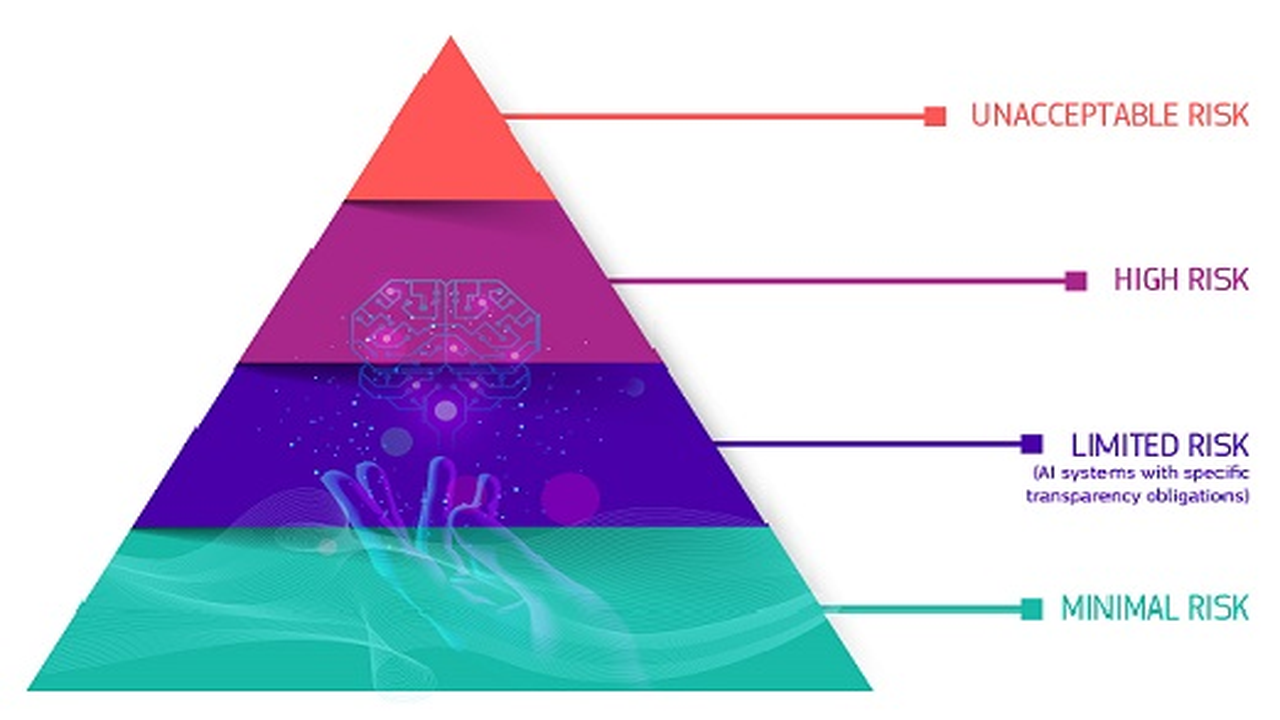
The European Union has formulated the ambitious EU AI Act to mitigate the burgeoning risks of rapidly advancing AI technologies while simultaneously promoting the adoption of safe and trustworthy AI. This landmark legislation categorizes AI systems by their inherent risk, imposing rigorous requirements on those designated as high-risk. The legislative journey has progressed through numerous stages, with comprehensive guidelines and implementation timelines meticulously debated at each phase. The most recent report offers a crucial update on the advancements within this expansive regulatory endeavor.
Key Findings
The “Report on the review of prohibitions and high-risk AI,” released on May 22, 2026, represents a pivotal stride towards the concrete implementation of the EU AI Act. This report underscores two critical developments:
- High-Risk AI Regulations Effective Date: Regulations governing high-risk AI systems are confirmed to take formal effect on December 2, 2027. This firm deadline mandates that companies developing or deploying AI systems with potential ramifications for public safety or fundamental rights – encompassing applications in medical devices, transport, or critical infrastructure – must satisfy rigorous conformity assessments and operational standards.
- Proposed AI Omnibus: The report also introduces the proposed “AI omnibus,” an amendment designed to streamline the EU AI Act’s implementation and bolster regulatory consistency. This omnibus bill aims to harmonize the AI Act with existing digital regulations, thereby simplifying compliance for businesses. A provisional compromise on this Digital Omnibus on AI was reportedly reached by the Council’s Permanent Representatives Committee on May 27, 2026, according to Dentons, signaling an accelerated path towards regulatory simplification and adjusted key compliance deadlines.
The phased rollout of the EU AI Act will profoundly impact AI technology developers and providers globally. Businesses are strongly advised to conduct thorough reviews of their AI products and use cases against the Act’s requirements, especially the most recent guidance on high-risk system classification. This demands the establishment of robust data governance, comprehensive risk management systems, transparent operations, and effective human oversight mechanisms. Continuous staff training is also deemed indispensable. As this regulation extends its reach beyond EU borders to encompass global AI enterprises targeting the EU market, it is poised to become a benchmark for international AI development standards. Ultimately, the EU AI Act seeks to cultivate a trustworthy AI ecosystem, championing ethical and responsible AI use without impeding innovation, by laying down clear frameworks for both development and deployment.
Source: https://digital-strategy.ec.europa.eu/en/policies/regulatory-framework-ai









Comments