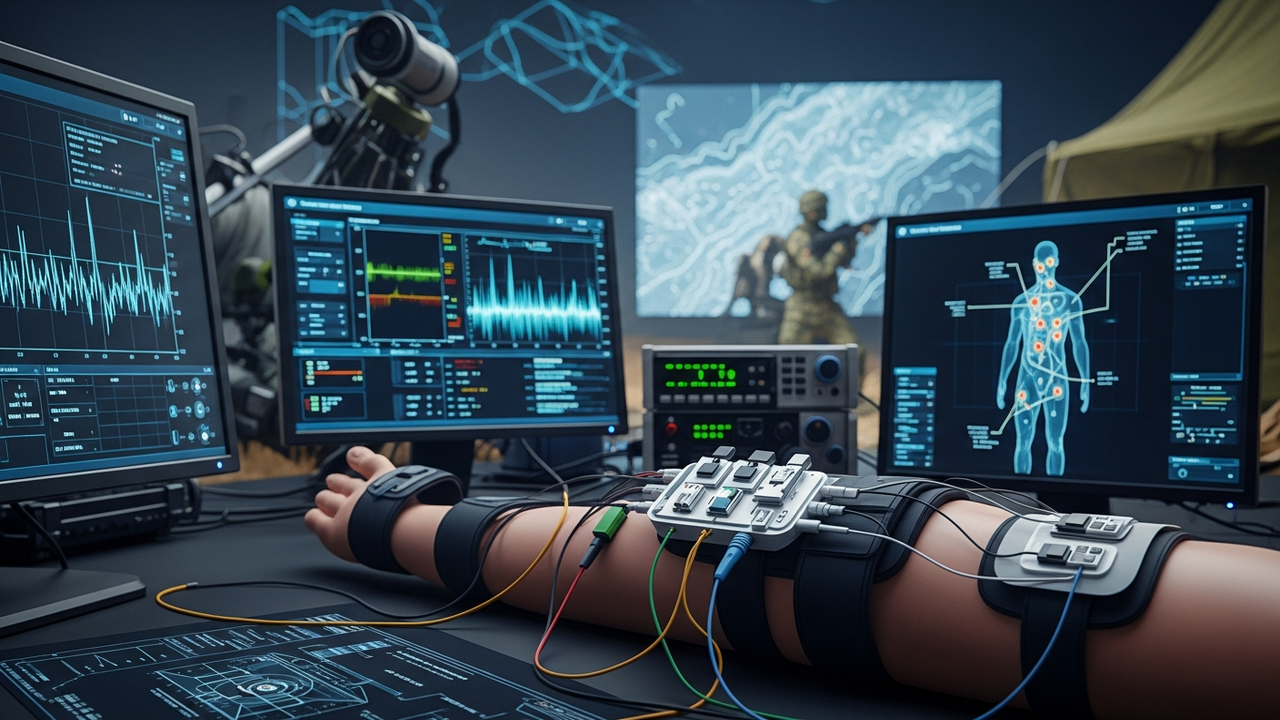
Background: The Imperative for Physiological Monitoring in Expeditionary Forces
Maintaining the health and performance of soldiers is paramount during military operations, especially in remote or extreme environments. However, physiological monitoring in these settings has been challenging due to limitations of conventional medical equipment and difficulties in real-time data collection and transmission. Factors such as dehydration, fatigue, heat stroke, and stress can severely compromise soldier health, leading to a strong demand for wearable solutions that can detect these changes early and facilitate timely intervention.
Technology and Performance of the Multimodal Biosensor
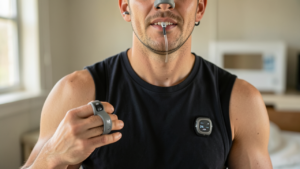
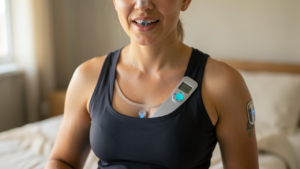
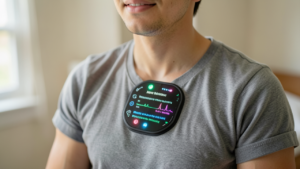
To address this challenge, a joint research team from the Academic Department of Military General Practice and the Hamlyn Institute for Global Health Innovation developed an innovative wearable multimodal biosensor, integrating both physical and chemical sensors. This device is capable of continuously monitoring and storing physical parameters such as heart rate, body temperature, and electrocardiogram (ECG), along with critical biochemical biomarkers like sodium, glucose, lactate, and pH, for up up to 25 days. Furthermore, the team successfully demonstrated real-time remote transmission of this physiological data via an Android smartphone and a commercial satellite transceiver. This capability allows for real-time situational awareness and rapid medical decision-making.
Clinical Significance and Future Outlook
This multimodal biosensor holds significant potential to transform healthcare management for expeditionary forces. Comprehensive, real-time physiological data enables medical teams to detect changes in a soldier’s health status early and initiate necessary medical interventions promptly. This can prevent the escalation of serious health issues and contribute to maintaining mission readiness. The future success of wearable technology will depend not merely on data collection but on establishing clinical trust in the quality of measured data, and, critically, on the ability to accurately interpret this data within the context of an individual’s situation, environmental factors, and activity levels. Beyond military applications, this technology is expected to find use in sports medicine, disaster relief, and elder care monitoring.
Source: https://militaryhealth.bmj.com/content/jramc/169/2/170.full.pdf

Comments