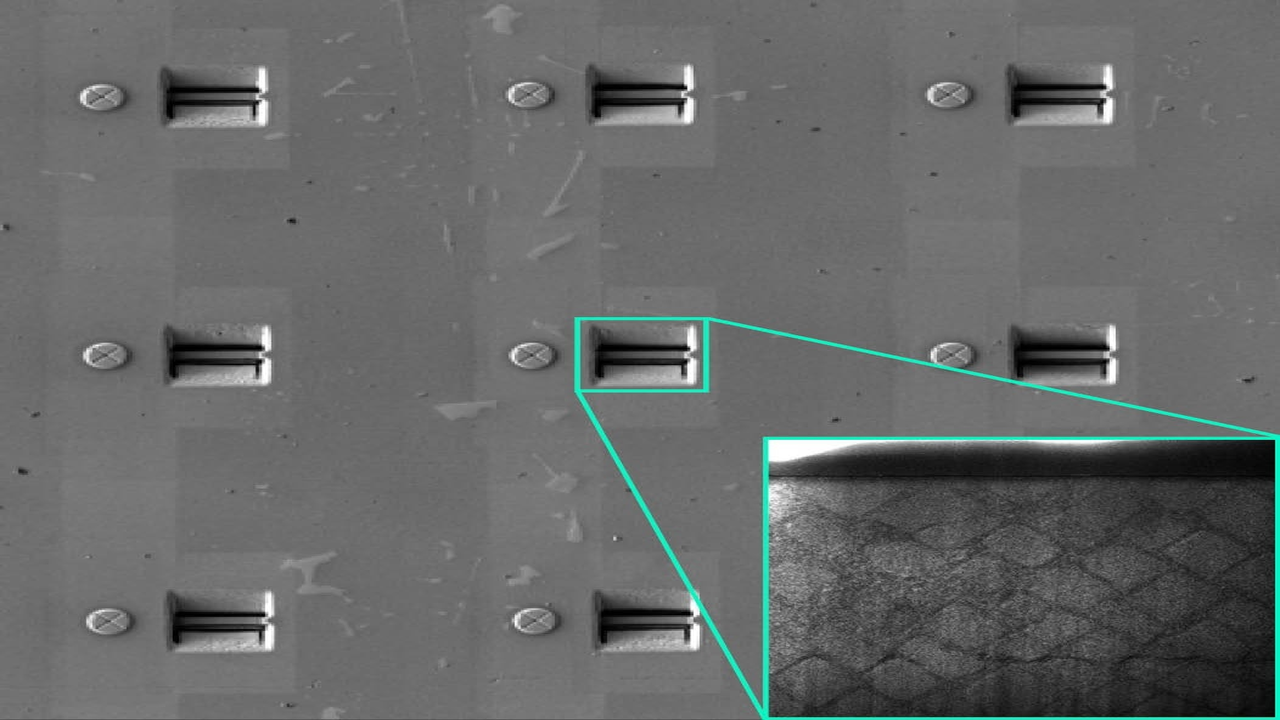
Background: Challenges in High-Precision TEM Sample Preparation
Nanoscale characterization of materials using Transmission Electron Microscopy (TEM) is indispensable across diverse fields, including semiconductors, metals, and composites. However, preparing ultra-thin, high-quality lamellae suitable for TEM observation is a highly demanding and time-consuming process. Achieving precise fabrication without inducing damage, especially for complex structures or delicate materials, remains a significant challenge. While conventional Focused Ion Beam-Scanning Electron Microscope (FIB-SEM) systems have evolved, there has been a persistent demand for further enhancements in both speed and precision to meet the growing needs of advanced materials research.
Key Findings: Orage™ 2 Establishes a New Benchmark in Automated TEM Sample Production
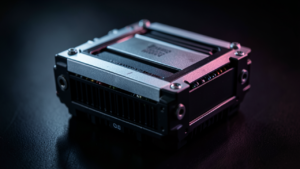
Tescan, headquartered in the Czech Republic, has introduced the Orage™ 2, a cutting-edge Ga+ FIB-SEM column integrated into its AMBER 2 platform. The Orage™ 2 aims to revolutionize automated TEM sample preparation processes, addressing the rigorous requirements of modern materials science research. A hallmark of this system is its unique design, which simultaneously achieves high-resolution ion beam performance at low kiloelectronvolt (keV) energies and superior high-beam current capabilities. This enables milling speeds up to 40% faster than traditional Ga+ FIB-SEM systems, all while meticulously maintaining the nanometer-level precision essential for crafting ultra-thin TEM lamellae. Consequently, researchers can obtain high-quality samples more rapidly, leading to a substantial efficiency gain in their material characterization workflows.
Technical Significance and Outlook
The introduction of Orage™ 2 establishes a new industry standard in automated TEM sample preparation, poised to profoundly impact materials science research. Its capacity for rapid and high-precision sample fabrication will accelerate research cycles, particularly in areas such as defect analysis of next-generation semiconductor devices, microstructural evaluation of novel materials, and nanotechnology development. This allows researchers to analyze a greater volume of samples more efficiently and gain deeper insights into material structure-property relationships more swiftly. Moving forward, advanced FIB-SEM technologies like Orage™ 2 are expected to form a foundational pillar for driving innovation across a broad spectrum of fields, from material design to the optimization of manufacturing processes, fostering significant technological advancements.



Comments