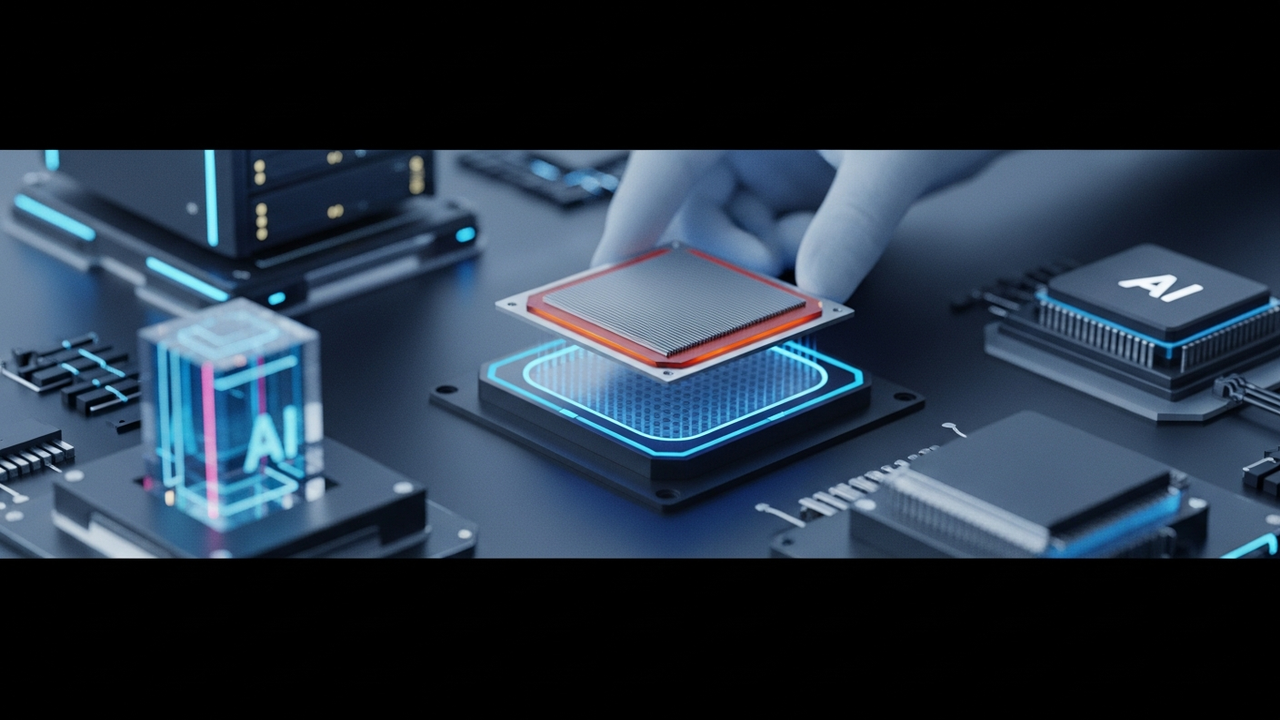
Background and Thermal Management Challenges in High-Performance Electronics
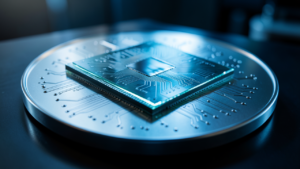
Modern advanced electronic devices, such as AI chips, high-performance servers, and automotive electronics for electric vehicles (EVs), operate at unprecedented power densities. This results in significant heat generation within the devices, and without proper thermal management, it leads to performance degradation, reduced reliability, and even device failure. Particularly in precision instruments like photosensors, camera modules, and medical electronics, there is a strong demand for non-silicone thermal management solutions due to the risk of siloxane outgassing from silicone-based materials, which can contaminate optical components and degrade their performance.
Technical Innovation of Yousan New Materials’ Non-Silicone Thermal Interface Pads
In response to these stringent requirements, Yousan New Materials has launched non-silicone thermal interface pads with a wide range of thermal conductivities from 2.0 to 10.0 W/m·K. These innovative pads offer the following key features and advantages:
- Non-Silicone Composition: The pads completely eliminate the risk of siloxane contamination associated with silicone-based materials. This is critically important for precision electronics, including optical sensors, camera modules, and laser devices, where siloxane can adversely affect performance.
- High Thermal Conductivity: Offering a thermal conductivity range from 2.0 W/m·K to 10.0 W/m·K, these pads ensure efficient heat transfer from high-heat-generating components like AI chips, high-performance CPUs/GPUs, and power electronics to heat sinks. This maintains optimal operating temperatures for devices, maximizing performance and lifespan.
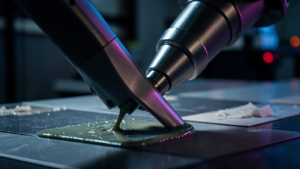
- Excellent Conformability: The pads effectively conform to irregular surfaces and micro-gaps, minimizing thermal resistance. This eliminates air gaps and optimizes the heat conduction path.
- Broad Applications: Applicable across a wide range of high-power and precision electronic devices, including AI data center servers, high-performance graphic cards, power modules in automotive electronics, and medical diagnostic equipment.
Technical Significance and Future Outlook
Yousan New Materials’ non-silicone thermal interface pads hold the potential to significantly transform the paradigm of thermal management in high-power and precision electronics. Particularly in optical-related devices where silicone contamination is a concern, and in automotive applications demanding strict reliability, this non-silicone solution is poised to set a new standard. This technology addresses the increasing thermal density of semiconductors driven by AI advancements, forming a foundational technology for the development of next-generation computing and mobility. In the future, the development of non-silicone materials with even higher thermal conductivity, superior mechanical reliability, and stability over an even wider temperature range is anticipated. Yousan New Materials is expected to strengthen its leadership in the thermal management solutions market through this innovative product.




Comments