Key Findings
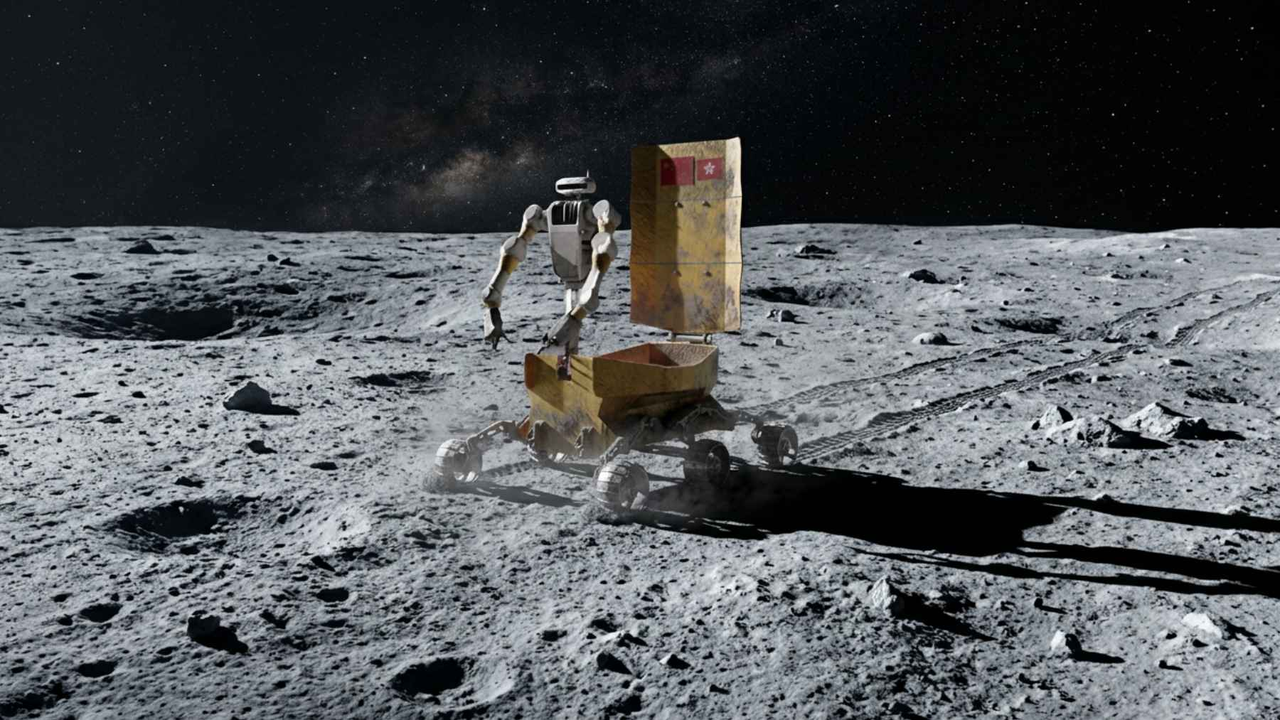
China’s Chang’e 8 mission, slated for launch around 2029, is set to test lunar construction robots and In-Situ Resource Utilization (ISRU) experiments near the Moon’s South Pole. This mission distinctly showcases China’s aggressive strategy toward autonomous lunar base construction, marking a significant step in enabling long-term human presence on the Moon.
Technical & Clinical Details
The Chang’e 8 mission will consist of multiple components, including a lander, a rover, and operational robots. These robots are designed to autonomously perform heavy construction tasks essential for a lunar base, such as generating building materials from lunar regolith and 3D printing shelters and infrastructure. The lunar South Pole, in particular, is believed to harbor abundant water ice, and ISRU experiments will focus on validating technologies to convert this water ice into potable water, breathable oxygen, and rocket propellant. The mission will collect and analyze lunar samples to evaluate the potential for resource utilization in the lunar environment. This autonomous construction and resource utilization approach is crucial for significantly reducing reliance on material transport from Earth, thereby enhancing the sustainability and scalability of lunar bases.
Background & Industry Context
Major space agencies and private companies worldwide have identified the construction of lunar bases and sustained human presence on the Moon as their next grand objectives. China has vigorously pursued lunar exploration through its Chang’e program, achieving numerous breakthroughs, including the first soft landing on the far side of the Moon and returning lunar samples to Earth. Chang’e 8 builds upon these successes, shifting focus to more practical lunar activities. Establishing a lunar base necessitates long-term power supply, radiation shielding, life support systems, and securing construction materials, with ISRU and robotic construction being core technologies. China aims to secure a strategic advantage in future deep-space exploration by establishing a foothold on the Moon.
Future Outlook
The Chang’e 8 mission will serve as a critical technological milestone for autonomous lunar base construction. The data and experience gained from this mission will directly contribute to China’s planned crewed lunar missions in the 2030s and the subsequent establishment of a permanent lunar base. Furthermore, Chang’e 8 emphasizes international cooperation, offering payload resources to global partners, thereby fostering multilateral engagement in lunar exploration and elevating China’s role in the international space development community. The success of this project will be a significant step towards realizing a future where humanity can live self-sufficiently and operate sustainably on the lunar surface.








Comments