
Key Findings
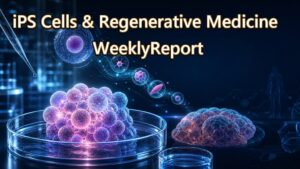
Fate Therapeutics unveiled updated preliminary Phase 1 clinical data for its iPSC-derived, off-the-shelf CAR T-cell therapy, FT836, targeting advanced solid tumors, at the 2026 American Society of Clinical Oncology (ASCO) Annual Meeting. Notably, the study confirmed significant tumor reduction in targeted lesions for KRAS wild-type metastatic colorectal cancer patients, achieved without the need for lymphodepleting conditioning chemotherapy. FT836, which targets MICA/B antigens, was successfully detected within tumor tissue, demonstrating a favorable safety profile alongside efficacy signals.
Technical and Clinical Details
FT836 is an investigational universal donor-derived CAR T-cell therapy generated from induced pluripotent stem cells (iPSCs), incorporating Fate’s proprietary ‘Sword & Shield™’ technology. This innovative design aims to evade host immune responses while efficiently targeting tumor cells. The presented data showed that FT836 was well-tolerated at low to intermediate doses in heavily pretreated KRASwt metastatic colorectal cancer patients. Crucially, it demonstrated tumor responses without conditioning chemotherapy for the first time. Specifically, one of two evaluable patients achieved a maximum target lesion reduction of 47%, and FT836 cells persisted in the tumor microenvironment for at least 28 days post-administration, with in vitro studies corroborating specific cytotoxic activity against MICA/B positive tumor cells.
Background and Industry Context
Metastatic colorectal cancer carries a poor prognosis, and even in KRAS wild-type cases, existing treatment options are often limited. Conventional autologous CAR T-cell therapies face challenges such as personalized manufacturing, time, and cost, alongside the mandatory requirement for intense lymphodepleting conditioning chemotherapy. Off-the-shelf iPSC-derived therapies like FT836 represent a significant breakthrough in regenerative medicine, offering advantages in manufacturing standardization, rapid availability, and the potential for administration without conditioning chemotherapy. These results strongly support the feasibility of iPSC-derived CAR T-cell therapies in solid tumors, marking a critical advancement for the industry.
Future Outlook
Fate Therapeutics plans to continue the clinical development of FT836, further evaluating its efficacy and safety in larger patient cohorts. The potential to demonstrate efficacy without conditioning chemotherapy is a major benefit for patients, reducing treatment burden and enhancing accessibility, making future progress highly anticipated. FT836 holds the promise of becoming a transformative therapeutic option for patients with advanced solid tumors, particularly those with refractory metastatic colorectal cancer, offering new hope where options are currently scarce.



Comments