Key Findings
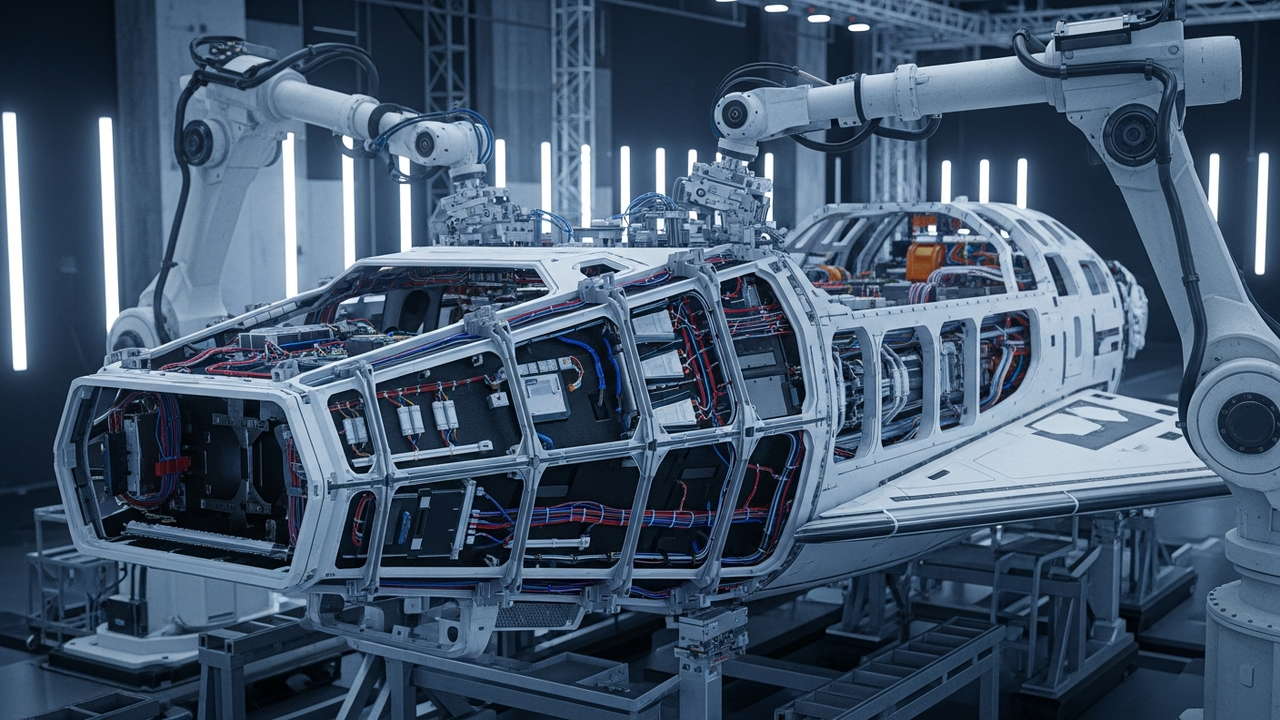
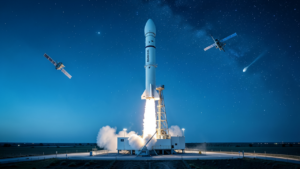
High-performance plastics, including Torlon PAI, PEEK, and Ultem PEI, are now indispensable materials in the spacecraft industry. Their widespread adoption is driven by their exceptional radiation resistance, remarkable ability to maintain structural integrity and performance under extreme temperatures, and their inherent lightweight properties. These advanced polymers are integrated into critical structural, electrical, fluid, and mechanical systems, ensuring the long-term reliability and safety demanded by the harsh conditions of space.
Technical & Clinical Details
These advanced plastics find extensive application in components such as solar array deployment mechanisms, electrical insulators, mounting brackets, and fasteners within spacecraft. Other notable polymers like Ryton R-4 PPS and Vespel PI are also increasingly employed. Comprehensive testing, including studies conducted by the American Composites Manufacturing Learning Center, has consistently demonstrated that these polymers retain their physical strength and electrical characteristics across a wide spectrum of temperatures, from cryogenic lows to superheated highs, and under significant exposure to cosmic radiation. Furthermore, these materials meet the rigorous flammability and smoke emission standards for spacecraft, contributing directly to astronaut safety and mission success.
Background & Industry Context
In spacecraft design and manufacturing, achieving optimal weight reduction, durability, and reliability are paramount. High-performance plastics offer substantial weight savings compared to traditional metallic materials, while also mitigating risks associated with metal fatigue, corrosion, and simplifying thermal expansion coefficient management. Radiation in various orbital environments, from Low Earth Orbit (LEO) to deep space, poses a continuous threat to electronics and materials, making radiation-hardened components essential. The integration of these plastics contributes to extended mission durations, enhanced payload capacities, and overall cost efficiencies in space operations.
Future Outlook
The ongoing evolution of high-performance plastic technology is set to drive further innovation in future spacecraft designs. The development of even more advanced and multi-functional polymers will unlock new possibilities for space exploration, providing critical support for next-generation space activities such as lunar bases, Mars missions, and in-orbit manufacturing. As long-duration operations in space become more commonplace, these materials are anticipated to play an increasingly vital role in making spacecraft lighter, more robust, and enhancing the overall efficiency and reliability of space systems, ultimately expanding the frontiers of human exploration and utilization of space.
Source: https://drakeplastics.com/aerospace/high-performance-plastics-in-the-spacecraft-industry/



Comments