Key Findings
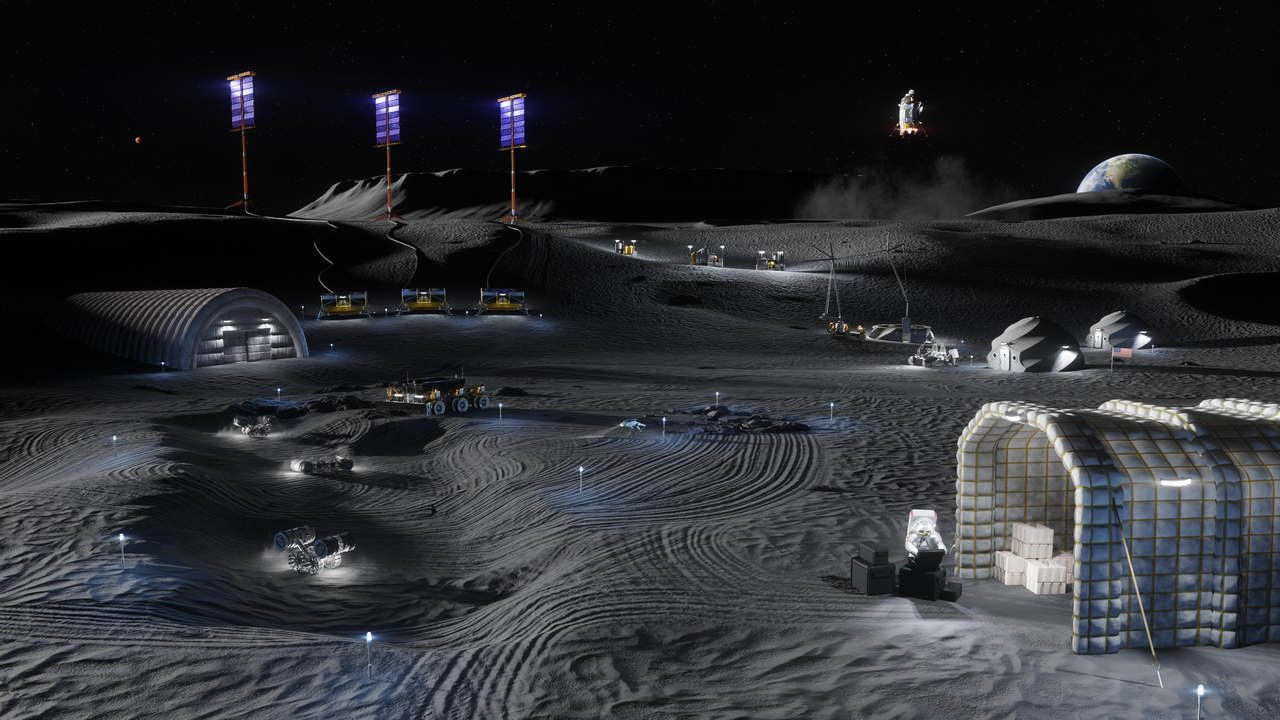
NASA is vigorously advancing lunar surface technologies to facilitate long-duration exploration and scientific endeavors as part of the Artemis missions. The agency is particularly focused on In-Situ Resource Utilization (ISRU), fission surface power systems, and radioisotope power systems such as ‘Harmonia.’ These advancements represent crucial steps toward establishing self-sufficient lunar outposts and making a sustained human presence on the Moon a tangible reality.
Technical & Clinical Details
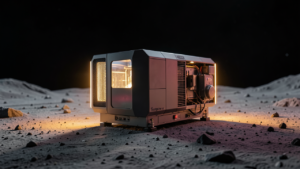
ISRU technologies are designed to extract water ice and metals from lunar regolith, enabling the on-site production of potable water, oxygen, rocket propellant, and construction materials. This capability is expected to drastically reduce reliance on resupply missions from Earth. For energy provision, NASA is planning a demonstration of a fission surface power system, including the Lunar Reactor-1, by 2030. This system will provide continuous, high-power electricity during the Moon’s prolonged nights. Concurrently, the Harmonia radioisotope power system, developed in partnership with Zeno Power, addresses smaller-scale power needs, offering diverse power solutions. Blue Origin’s ‘Blue Alchemist’ project, supported by a NASA Tipping Point investment, is demonstrating a scalable commercial system to produce silicon solar cells, aluminum wire, and oxygen directly from lunar regolith. In terms of communication, Nokia successfully deployed a 4G/LTE system on the Moon in 2025, significantly enhancing the efficiency of lunar operations.
Background & Industry Context
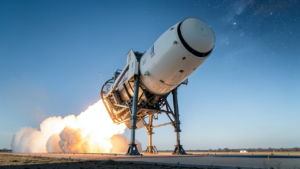
The Artemis program aims to return humans to the Moon and establish a sustainable lunar presence. Achieving this ambitious vision necessitates robust and self-sufficient infrastructure capable of operating in the Moon’s extremely harsh environment. ISRU and fission power systems are critically important for reducing logistics costs from Earth and mitigating mission risks. Technologies for lunar dust mitigation and landing pad construction are also essential for safe and sustained operations. The involvement of private companies, coupled with NASA’s strategic investments, is accelerating technological innovation in this sector and opening new frontiers for the space economy.
Future Outlook
The continuous evolution of these lunar technologies will lay the groundwork for future lunar base construction and operations, as well as serve as a stepping stone for Mars exploration missions. If the commercial viability of ISRU is demonstrated on the Moon, it could fundamentally alter the paradigm of space exploration. The practical implementation of fission power systems will significantly expand the scope and sustainability of lunar activities, fostering new industries such as scientific research, resource extraction, and even space tourism. Through these technologies, NASA aims to enhance humanity’s capability to ‘live, work, and do science’ beyond Earth, ultimately enabling habitation in other celestial bodies.




Comments