Key Findings
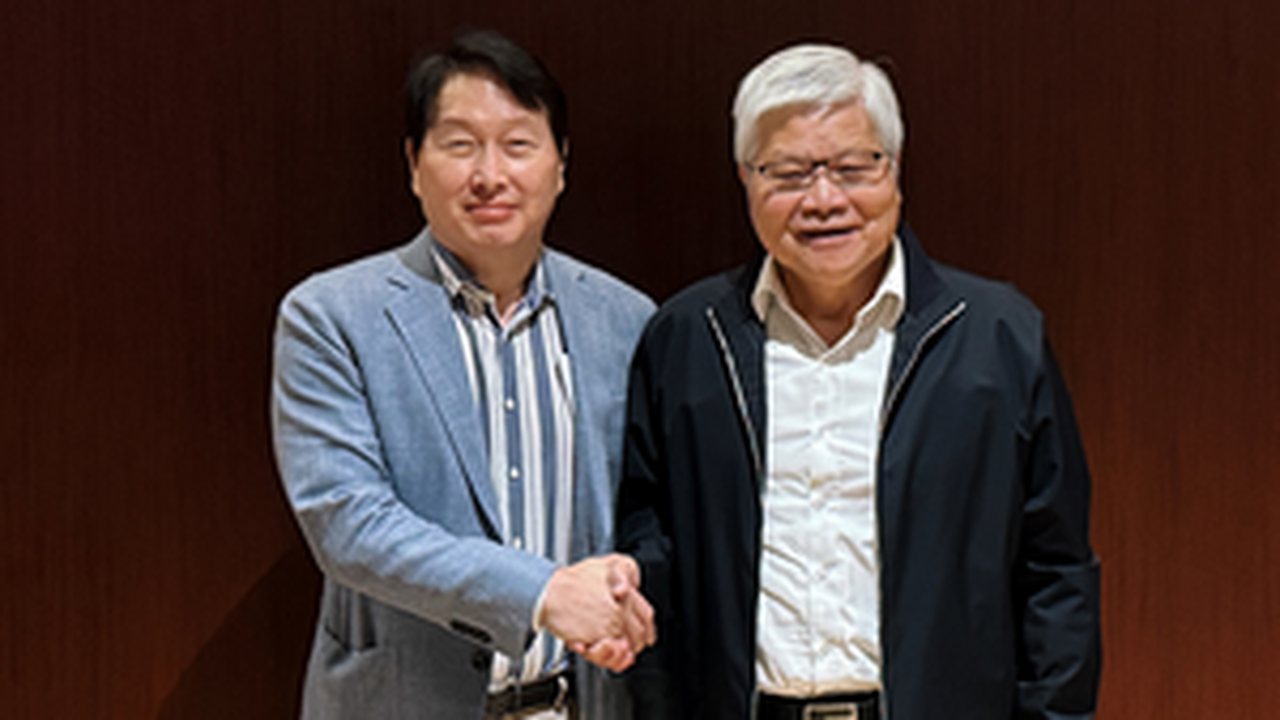
SK Group Chairman Chey Tae-won has intensified alliances with the world’s most influential AI chipmakers, following a meeting with Nvidia CEO Jensen Huang and subsequently with TSMC Chairman C.C. Wei in Taiwan. These discussions focused on expanding cooperation in next-generation High-Bandwidth Memory (HBM) and advanced packaging, aiming to solidify SK Group’s strategic position in the AI-era semiconductor supply chain.
Technical Details
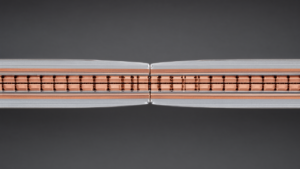
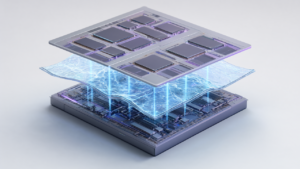
SK hynix is strategically positioning itself to gain a competitive edge in the custom AI memory market by combining TSMC’s advanced 12nm base die technology with its own innovative 1b DRAM process for HBM4, the next generation of HBM. HBM4 is designed to deliver higher bandwidth, lower power consumption, and superior thermal management performance, which are indispensable for maximizing the performance of AI accelerators. This technological partnership aims to jointly resolve complex 3D stacking and advanced packaging challenges, thereby enhancing the overall efficiency and performance of AI chipsets. Next-generation HBMs, such as HBM4E, offer significant improvements in energy efficiency and thermal resistance characteristics compared to their predecessors, making them key to meeting the demands of AI data centers.
Background and Context
The explosive growth of AI has dramatically increased demand for high-performance AI chips and the HBM that forms their core. With TSMC’s CoWoS packaging capacity being a major bottleneck for AI hardware, the shortage of HBM supply and AI server capacity has become an industry-wide challenge. In this context, close collaboration among leading semiconductor companies is crucial for stabilizing the supply chain and accelerating technological innovation. SK hynix has established a strong leadership position in the HBM sector, and competition is intensifying, with Samsung Electronics also commencing HBM4E sample shipments.
Strategic Significance and Outlook
The deepening collaboration between SK Group, Nvidia, and TSMC will significantly impact future technological development and supply chain dynamics in the AI semiconductor market. The technology partnership for HBM4, in particular, will push the performance limits of AI chips even further, enabling the realization of larger and more complex AI models. This cooperative relationship is expected to be an essential factor in alleviating AI chip supply bottlenecks and supporting the continuous growth and evolution of the AI industry. In the long term, this will likely position South Korea to play an even more central role in the global AI semiconductor ecosystem.