Key Findings
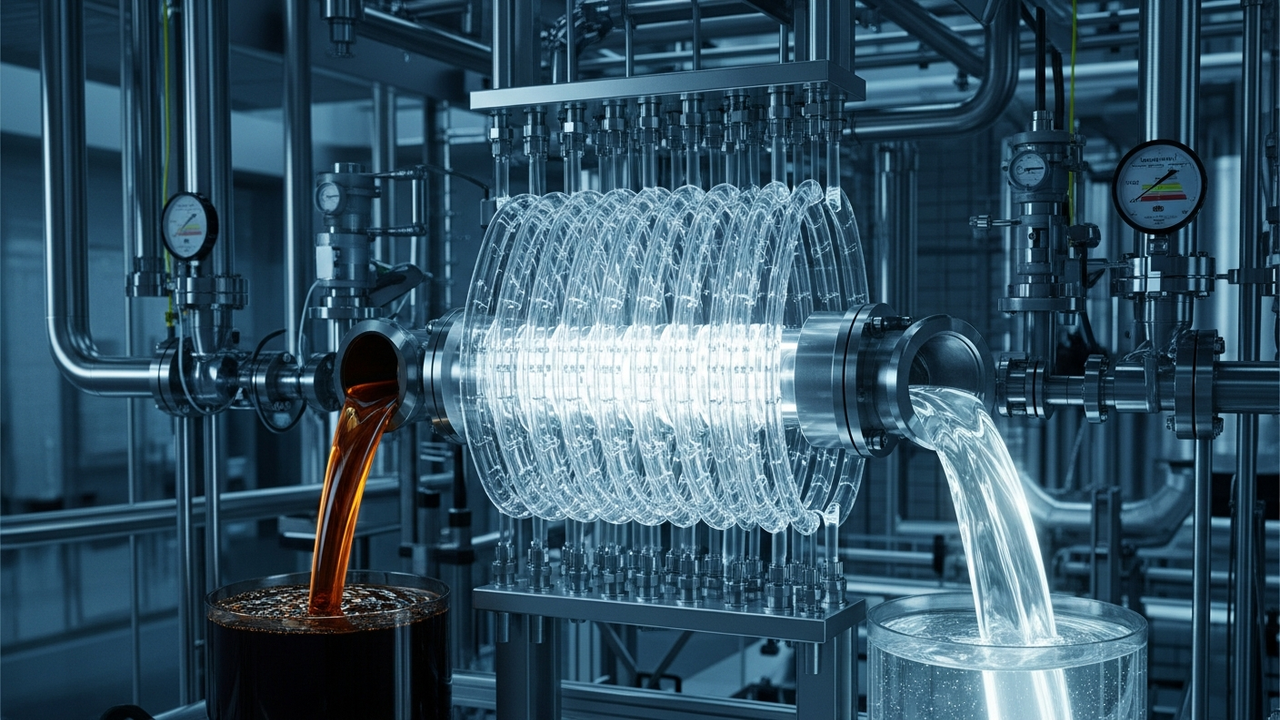
An international team of researchers has developed groundbreaking ultrathin polymer membranes endowed with “locked intrinsic microporosity,” enabling highly selective and rapid separation of complex hydrocarbon mixtures. This technological innovation holds the potential to dramatically reduce energy consumption in crude oil refining, a process currently dominated by energy-intensive thermal distillation, offering a more sustainable and efficient alternative.
Technical / Clinical Details
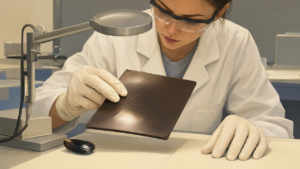
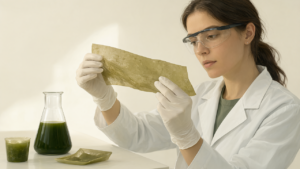
The novelty of these new polymer membranes lies in their manufacturing method. During the membrane formation process, the polymer’s microstructure is stabilized, effectively “locking in” its intrinsic microporosity. This prevents the pores from expanding when exposed to hydrocarbon solvents, a common issue in conventional polymer membranes that leads to reduced separation selectivity. By maintaining a stable pore structure, the membranes achieve high molecular selectivity while also facilitating rapid liquid transport. This allows for highly efficient separation of specific components from multi-component hydrocarbon mixtures, a critical capability for both petrochemical and fine chemical industries.
Background & Context
Crude oil refining is one of the largest energy-consuming processes globally, primarily relying on thermal distillation, which is highly energy-intensive and a significant contributor to CO2 emissions. Membrane separation technologies have long been considered a promising, low-energy, and environmentally friendlier alternative. However, challenges related to membrane stability and selectivity, particularly in the presence of organic solvents for hydrocarbon separation, have hindered their widespread practical application. This research successfully addresses these long-standing issues, marking a crucial step towards improving sustainability and efficiency within the petrochemical industry.
Strategic Significance & Outlook
This new membrane technology has the potential to revolutionize separation processes not only in the petrochemical industry but also in fine chemicals, pharmaceutical manufacturing, and gas separation. Its ability to significantly cut energy consumption in crude oil refining translates directly into cost savings and a reduced environmental footprint. Future efforts will focus on scaling up this technology from pilot to commercial scale, where it is expected to have a substantial impact on the global hydrocarbon separation market. This development is a vital component in accelerating the transition towards more energy-efficient and sustainable chemical processes worldwide, reinforcing the drive for cleaner industrial practices.
Source: https://www.eurekalert.org/news-releases/1132197
Get our weekly technology intelligence — free
Receive an infographic that lets you judge at a glance whether each field’s analysis report is worth reading.
Subscribe Free — Weekly Tech Intelligence
By subscribing, you’ll receive Troy-Technical’s weekly technology intelligence newsletter.
- Your email and selected fields are used only to deliver the newsletter.
- We never share your information with third parties.
- You can unsubscribe anytime via the link in each email.
See our Privacy Policy for details.
Takes about a minute · Unsubscribe anytime