Key Findings
The year 2026 marks a significant turning point for chemical recycling of plastics, particularly pyrolysis, as it transitions from pilot and demonstration projects to full-scale industrial operations. This expansion will see pyrolysis-derived polymer feedstocks become a substantial part of global plastics supply chains. This development offers a practical solution to the challenging problem of “difficult-to-recycle” plastic waste, including multi-layer films, contaminated plastics, and mixed plastic streams that mechanical recycling struggles to process. ExxonMobil is poised to be a major player, targeting the chemical recycling of an impressive 500,000 tons of plastics annually by the end of 2026.
Technical Details
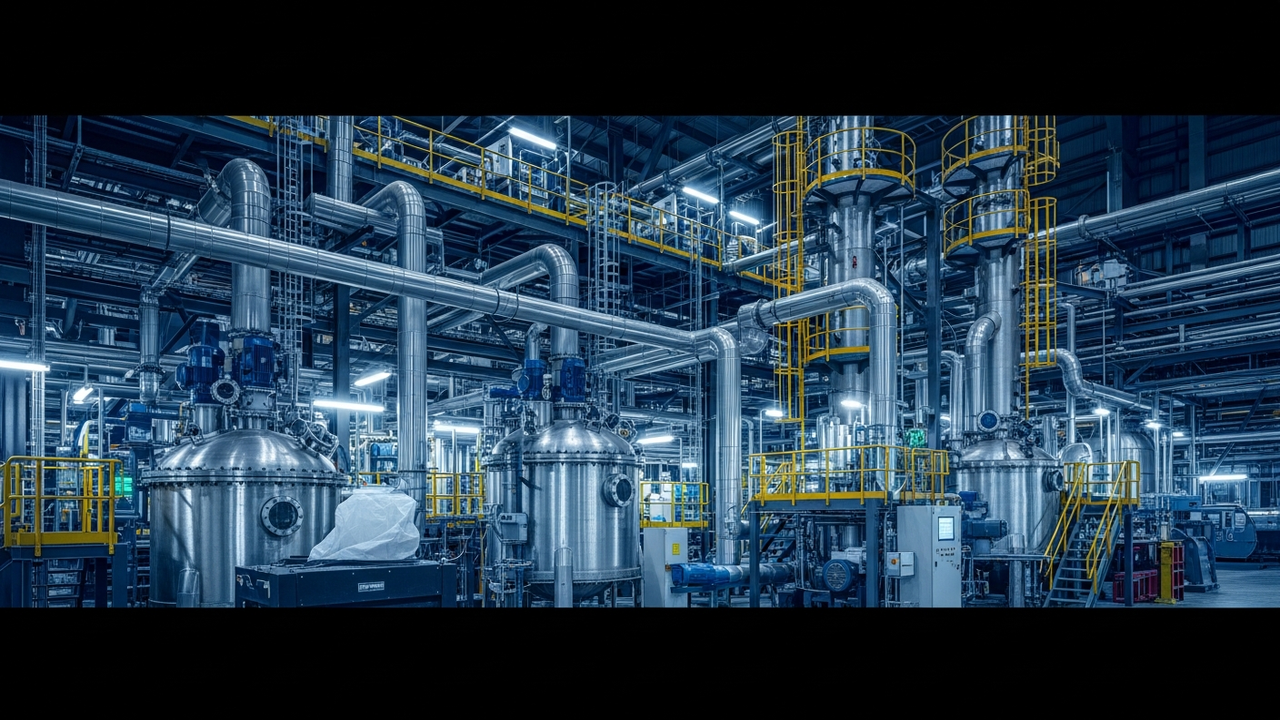
At the core of chemical recycling lies pyrolysis technology, which involves heating plastic waste in an oxygen-free environment to decompose it into its basic chemical building blocks, primarily pyrolysis oil. This pyrolysis oil is then refined and can be used as a high-quality feedstock, comparable to fossil-derived naphtha, for the production of new plastics (certified circular polymers). This process allows for the creation of plastic products with properties and performance equivalent to virgin polymers, making them suitable for demanding applications like food packaging. The technology facilitates the establishment of a “closed-loop” system where plastics can be recycled multiple times without degradation of their intrinsic value or performance.
- Pyrolysis Process: Decomposes plastic waste at high temperatures without oxygen, yielding pyrolysis oil.
- Feedstock Quality: The resulting pyrolysis oil boasts a quality comparable to fossil-derived feedstocks, suitable for new plastic production.
- Waste Versatility: Capable of processing a wide range of plastics, including mixed, contaminated, and multi-layer packaging that challenges mechanical recycling.
- Circular Polymers: Ensures the circularity of products, often backed by certifications like ISCC PLUS.
Background and Industry Context
The escalating global plastic waste crisis, coupled with growing demands for sustainability from governments and consumers, makes the transition to a circular plastics economy an urgent imperative. Regulatory frameworks, such as the revised Packaging and Packaging Waste Directive and the Single-Use Plastics Directive in the European Union, are becoming increasingly stringent. In this context, chemical recycling is gaining significant attention as a complementary technology to mechanical recycling, offering the potential to dramatically increase plastic recovery and utilization rates. Beyond ExxonMobil, major petrochemical companies like BASF, SABIC, and LyondellBasell are also accelerating investments in this technology, cementing 2026 as a pivotal year for chemical recycling’s shift towards becoming a mainstream industrial process.
Strategic Significance and Outlook
The commercial scaling of chemical recycling holds profound implications for compounders and extrusion plant operators, providing a more sustainable and potentially stable source of polymer feedstock. This will enable companies to meet ambitious recycled content targets and reduce the environmental footprint of their consumer products. As technology optimization and cost efficiencies improve, the market share of chemically recycled plastics is expected to grow exponentially. This will allow the entire plastics industry to lessen its dependence on fossil resources and build a more resilient, circular supply chain, fostering long-term environmental and economic benefits.
Get our weekly technology intelligence — free
Receive an infographic that lets you judge at a glance whether each field’s analysis report is worth reading.
Subscribe Free — Weekly Tech Intelligence
By subscribing, you’ll receive Troy-Technical’s weekly technology intelligence newsletter.
- Your email and selected fields are used only to deliver the newsletter.
- We never share your information with third parties.
- You can unsubscribe anytime via the link in each email.
See our Privacy Policy for details.
Takes about a minute · Unsubscribe anytime