Key Findings
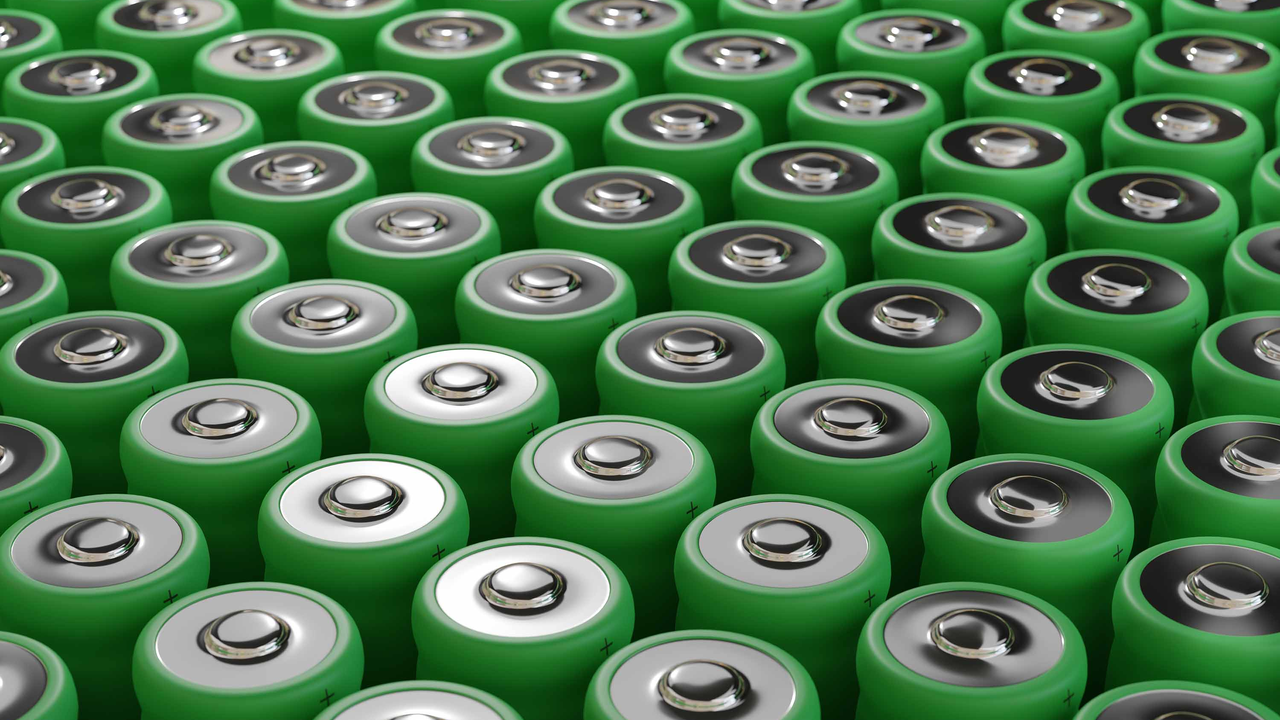
The Advanced B-Solv team at Imperial College London has been honored with a prestigious Innovation Award for their groundbreaking solvent-free dry electrode manufacturing technology. This innovation promises to make lithium-ion battery production significantly cheaper and more environmentally friendly by fundamentally eliminating the use of toxic organic solvents and energy-intensive drying processes traditionally required in battery manufacturing.
Technical Details
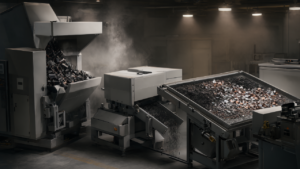
The dry electrode manufacturing technology developed by the Advanced B-Solv team employs a patented process that directly compresses powdered battery materials into electrodes without the need for solvents. Conventional methods involve coating electrode materials as a slurry dispersed in a solvent, followed by an energy-intensive high-temperature drying step. The dry process, in contrast, obviates the need for solvent purchase, management, recycling, and the substantial energy consumption associated with drying—which can account for up to 40% of battery manufacturing costs. This not only drastically reduces production costs but also significantly lowers the environmental impact. Furthermore, electrodes produced with this technology have demonstrated comparable, or even superior, performance to those made via traditional wet processes, with strong indications of scalability for mass production.
Background & Context
As global battery demand surges due to electric vehicles (EVs) and renewable energy storage systems, the cost and environmental sustainability of battery manufacturing processes have become critical challenges. The use of toxic solvents like NMP (N-methyl-2-pyrrolidone) has raised concerns about worker safety and environmental pollution from waste treatment. Imperial College London’s dry electrode technology offers a direct solution to these issues, heralding a potential paradigm shift in battery manufacturing. Major players like Tesla and other leading battery manufacturers are also investing heavily in dry electrode technology, indicating an accelerating trend and competitive landscape in this domain.
Strategic Significance & Outlook
The Advanced B-Solv team’s technology holds the potential for widespread impact across the battery manufacturing industry. Reductions in manufacturing costs could contribute to lower EV prices and broader adoption of energy storage systems, accelerating the clean energy transition. Moreover, the significant decrease in environmental footprint is crucial for enhancing the overall sustainability of the battery lifecycle. If scaled commercially, this technology could establish a new standard in battery production, becoming an indispensable component in building a more efficient and cleaner energy system for the future.
Get our weekly technology intelligence — free
Receive an infographic that lets you judge at a glance whether each field’s analysis report is worth reading.
Subscribe Free — Weekly Tech Intelligence
By subscribing, you’ll receive Troy-Technical’s weekly technology intelligence newsletter.
- Your email and selected fields are used only to deliver the newsletter.
- We never share your information with third parties.
- You can unsubscribe anytime via the link in each email.
See our Privacy Policy for details.
Takes about a minute · Unsubscribe anytime