Key Findings
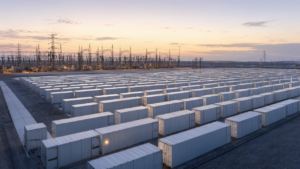
The American Battery Leadership Coalition (ABLC), spearheaded by Alsym Energy and Peak Energy, has officially launched with the mission to designate sodium-ion battery technology as a national priority for the United States. This new coalition is focused on significantly strengthening U.S. energy security, expanding domestic battery manufacturing capabilities, and building a robust, resilient supply chain specifically for stationary energy storage applications.
Technical Details
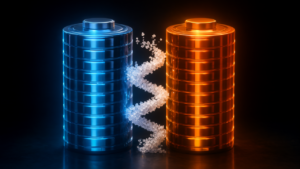
The ABLC champions sodium-ion battery technology, leveraging sodium’s abundant availability compared to lithium. Sodium-ion batteries offer several advantages over their lithium-ion counterparts, including reduced reliance on the geopolitically sensitive lithium supply chain and often lower manufacturing costs. This technology is particularly promising for grid-scale stationary storage, where it is expected to deliver superior performance and economic viability. It is seen as crucial for integrating intermittent renewable energy sources and stabilizing power grids. The coalition aims to accelerate research, development, commercialization, and the establishment of a robust domestic production ecosystem for sodium-ion batteries.
Background & Context
The global battery market is undergoing explosive growth, driven by the rapid adoption of electric vehicles (EVs) and the increasing integration of renewable energy. However, the supply of critical raw materials like lithium, cobalt, and nickel is concentrated in a few regions, raising concerns about geopolitical risks and price volatility. The U.S. government has been actively pursuing policies to address these supply chain vulnerabilities and enhance self-sufficiency in clean energy technologies. The formation of the ABLC aligns perfectly with this national strategy, signifying a strong commitment by the U.S. to lead in the emerging sodium-ion battery sector.
Strategic Significance & Outlook
The ABLC plans to accelerate the widespread adoption of sodium-ion battery technology by promoting standardization, regulatory support, and investment. This initiative is expected to support the decarbonization of the U.S. power grid, create new job opportunities within the industry, and enhance the international competitiveness of the American battery sector. In the future, as sodium-ion batteries expand beyond stationary storage into certain EV applications, they are anticipated to solidify U.S. leadership in the clean energy transition. The coalition’s efforts are projected to significantly contribute to U.S. energy independence and economic resilience.
Get our weekly technology intelligence — free
Receive an infographic that lets you judge at a glance whether each field’s analysis report is worth reading.
Subscribe Free — Weekly Tech Intelligence
By subscribing, you’ll receive Troy-Technical’s weekly technology intelligence newsletter.
- Your email and selected fields are used only to deliver the newsletter.
- We never share your information with third parties.
- You can unsubscribe anytime via the link in each email.
See our Privacy Policy for details.
Takes about a minute · Unsubscribe anytime