Key Findings
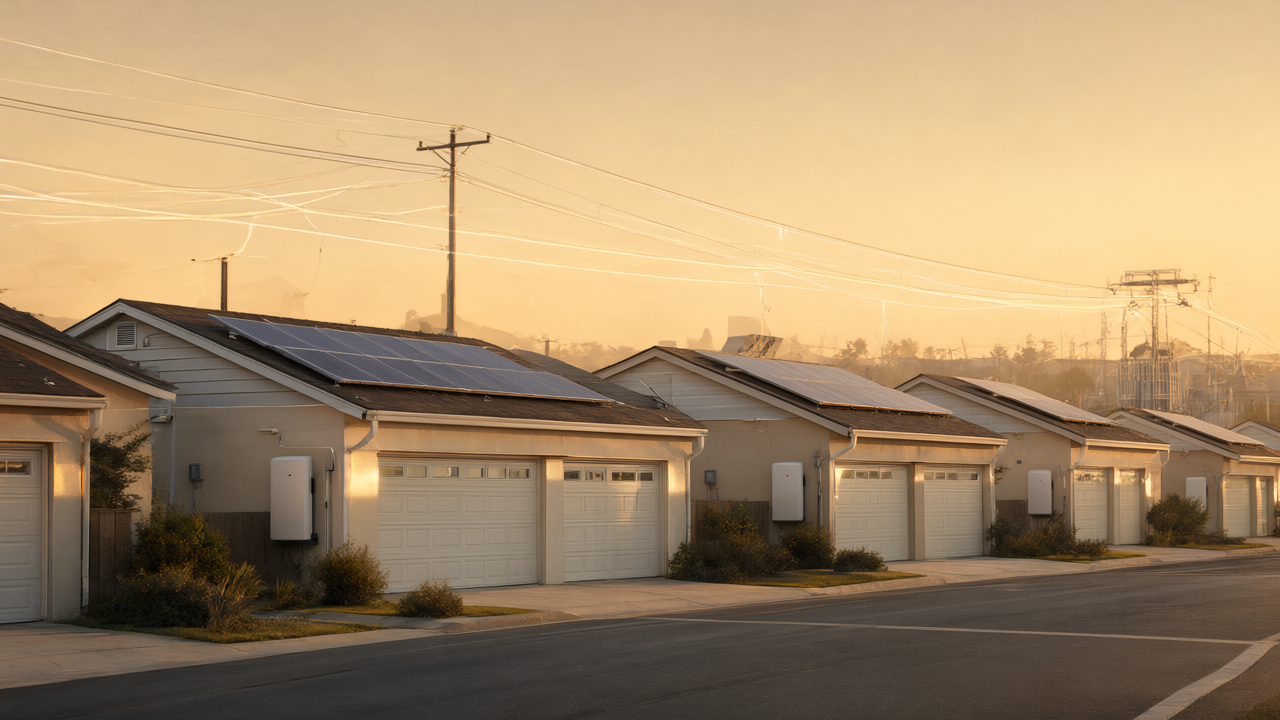
On October 8, 2026, home batteries across the United States collectively injected a remarkable 600MW of power into the grid, an output comparable to a medium-sized power plant. This significant event highlights the increasing viability and critical role of distributed energy resources (DERs) in bolstering grid stability, particularly in balancing the intermittent nature of renewable energy sources.
Technical / Clinical Details
A standout achievement within this context was the response to a severe California heatwave on September 9, 2026. During this period, Tesla and Sunrun collaborated to coordinate the largest residential Virtual Power Plant (VPP) event on record, successfully dispatching 580MW from residential battery systems. Tesla Powerwall units alone contributed a substantial 517MW from approximately 110,000 customer-owned batteries. This contribution brought Tesla Powerwall’s cumulative supply to California’s grid to an impressive 5GWh for 2026. These VPPs function by aggregating thousands of individual home batteries, allowing them to collectively discharge power to the grid during periods of high demand, thereby alleviating strain and preventing potential blackouts.
Background & Context
The proliferation of renewable energy, especially solar, has underscored the need for robust energy storage solutions to manage variability and ensure grid reliability. VPPs represent a sophisticated evolution in grid management, transforming disparate small-scale energy assets into a unified, dispatchable resource. This model contrasts sharply with traditional centralized power generation, offering enhanced flexibility and resilience. The observed performance of VPPs, particularly in high-stress scenarios like extreme heat events, validates their technical and operational efficacy as a crucial component of modern energy infrastructure.
Strategic Significance & Outlook
The success of home batteries and VPPs in providing significant grid support signals a paradigm shift in energy management. For researchers, it underscores the importance of optimizing battery control algorithms and communication protocols for seamless grid integration. Engineers will focus on scaling these systems, improving interoperability, and reducing installation complexities. Investors are presented with compelling opportunities in VPP platforms, battery manufacturing, and smart home energy solutions, as the market for these distributed resources expands. This trend is set to accelerate the transition towards a more decentralized, sustainable, and resilient energy ecosystem, empowering consumers while strengthening national energy security.
Source: https://www.basenor.com/blogs/news/home-batteries-just-sent-600mw-to-the-grid-5-numbers-that-matter
Get our weekly technology intelligence — free
Receive an infographic that lets you judge at a glance whether each field’s analysis report is worth reading.
Subscribe Free — Weekly Tech Intelligence
By subscribing, you’ll receive Troy-Technical’s weekly technology intelligence newsletter.
- Your email and selected fields are used only to deliver the newsletter.
- We never share your information with third parties.
- You can unsubscribe anytime via the link in each email.
See our Privacy Policy for details.
Takes about a minute · Unsubscribe anytime