Background
Stable, high-capacity power is paramount for any sustained human presence on the Moon and for deeper space exploration. While solar arrays offer a viable power source, their effectiveness is severely limited during the extensive lunar night—lasting approximately 14 Earth days—and in the perpetually shadowed regions near the poles. Consequently, the development of robust space nuclear power technology has emerged as a critical priority for leading space agencies worldwide. The collaborative effort between China and Russia on this project underscores the complex interplay of cooperation and competition in international space relations, carrying significant geopolitical implications for future lunar resource utilization and territorial claims.
Key Findings
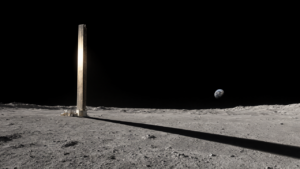
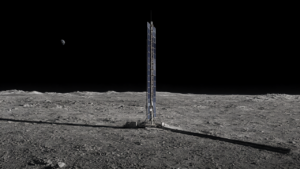
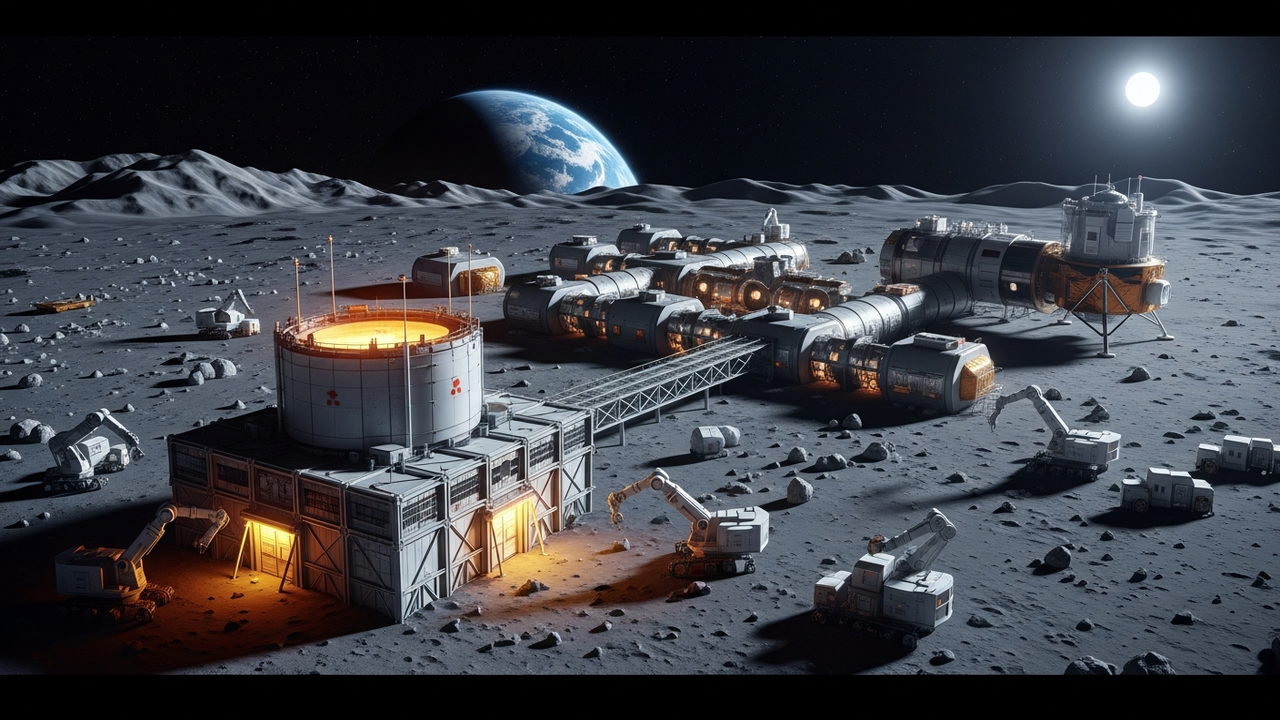
China and Russia are jointly advancing an ambitious space infrastructure project to construct a nuclear power plant on the Moon, aiming to power a lunar base with nuclear energy by 2036. This plan, in contrast to NASA’s Artemis program which focuses on solar power and relatively shorter stays, targets establishing a permanent human presence on the Moon by ensuring a sustainable power supply to overcome the extremely harsh lunar environment, particularly the prolonged 14-day lunar night. Nuclear energy is deemed essential technology for building sustainable human outposts beyond Earth and is a key component of their International Lunar Research Station (ILRS) plan.
The lunar nuclear power plant is envisioned as central infrastructure for the International Lunar Research Station (ILRS) program. Its primary objective is to provide an uninterrupted power supply, critical for maintaining life support systems, operating scientific instrumentation, and enabling resource extraction machinery, even through periods of complete lunar darkness. The Moon’s day-night cycle, with each period lasting about 14 Earth days, presents a formidable challenge. The lunar night brings not only a complete absence of solar energy but also plummeting temperatures. Overcoming these conditions requires a continuous supply of heat and electricity, for which nuclear energy is considered one of the most viable and realistic solutions for sustained operations.
To address this, China and Russia are reportedly focusing on the development of fission reactor technologies specifically adapted for space environments. This includes concepts such as Small Modular Reactors (SMRs) and advanced thermoelectric conversion systems, designed for autonomous installation and operation on the lunar surface with minimal support from Earth. This approach contrasts sharply with aspects of NASA’s Artemis program. While Artemis also recognizes the need for nuclear power for future lunar missions, the deployment of propulsion reactors, such as the SR-1 Freedom, is slated for late 2028, with large-scale power generation for a permanent lunar base still a more distant prospect. China and Russia’s plan adopts a different strategic timeline, prioritizing the earlier establishment of a robust lunar nuclear power generation capability.
Achieving the goal of an operational lunar nuclear power plant by 2036 would mark a pivotal milestone in human lunar exploration. Such a capability would significantly accelerate scientific research, enable extensive resource extraction, and crucially, pave the way for the construction of permanent human habitats on the Moon. Moreover, the mastery of space nuclear power technology is indispensable not just for lunar endeavors, but also for future crewed missions to Mars and ambitious deep-space exploration, fundamentally expanding the horizons of human activity in the cosmos.
Source: https://m.youtube.com/watch?v=wgAs7ys39zE
Get our weekly technology intelligence — free
Receive an infographic that lets you judge at a glance whether each field’s analysis report is worth reading.
Subscribe Free — Weekly Tech Intelligence
By subscribing, you’ll receive Troy-Technical’s weekly technology intelligence newsletter.
- Your email and selected fields are used only to deliver the newsletter.
- We never share your information with third parties.
- You can unsubscribe anytime via the link in each email.
See our Privacy Policy for details.
Takes about a minute · Unsubscribe anytime