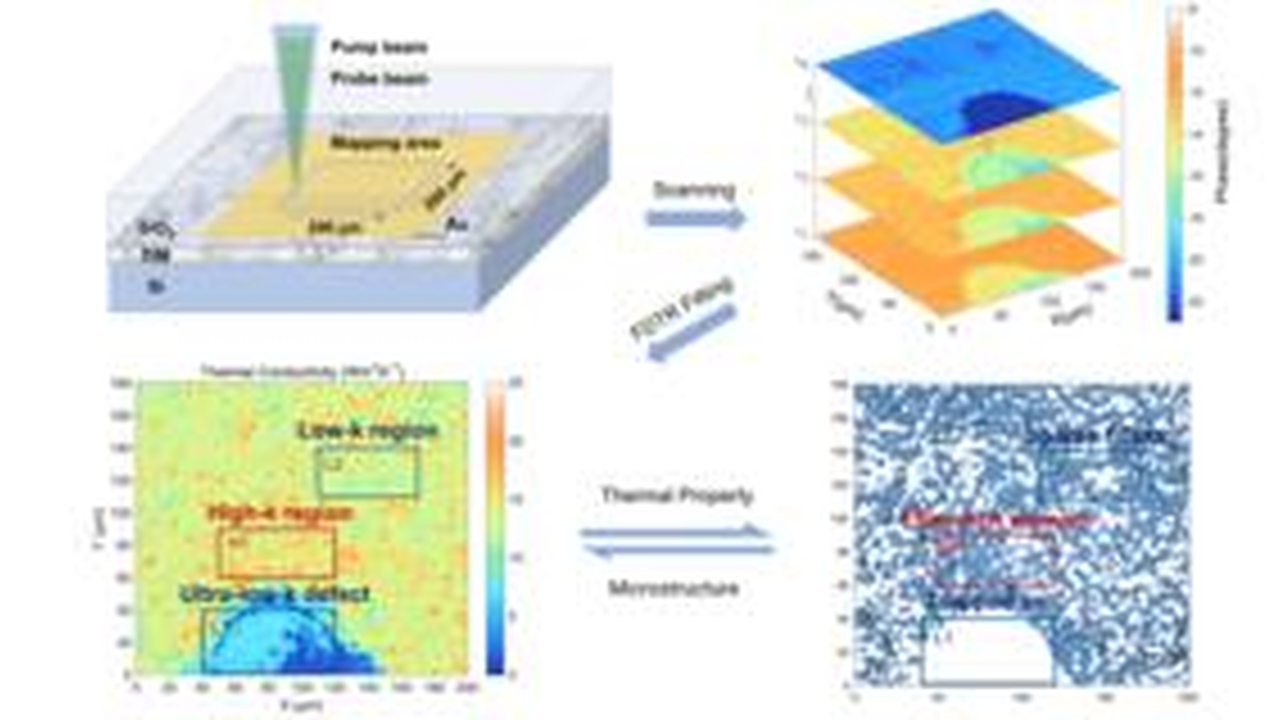
Groundbreaking FDTR Microscopy Visualizes Microscale Thermal Properties of Thermal Interface Materials
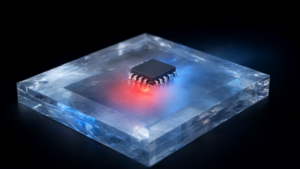
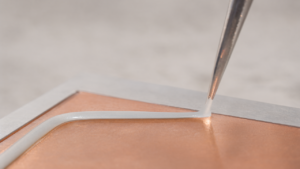
Researchers have developed a groundbreaking technique using frequency-domain thermoreflectance (FDTR) microscopy to meticulously visualize the thermal conductivity and interfacial heat transfer within thermal interface materials (TIMs) at the micron scale. This new FDTR microscopy platform enables spatially resolved mapping of localized thermal properties within sandwich-configured TIM structures. This capability allows for a detailed elucidation of heat conduction heterogeneities within TIMs, especially in particle-filled thermal greases, which were previously undetectable with macroscopic measurements.
Technical Details and Applications in TIM Design
The FDTR microscopy method operates on the principle of irradiating a material surface with laser pulses and subsequently measuring the high-temporal-resolution changes in reflectivity caused by temperature variations. This technique combines micron-order spatial resolution with nanosecond-order temporal resolution, allowing for direct observation of how subtle internal structures and defects in materials affect thermal conduction. This development makes it possible to identify localized thermal conduction barriers and thermal bridges within TIMs, directly contributing to the design and optimization of TIMs, which are critical for high-performance electronic devices.
Contribution to Solving Thermal Issues in Electronics and Future Outlook
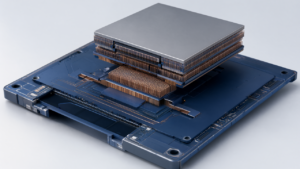
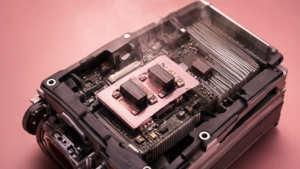
For high-performance electronic devices such as CPUs, GPUs, and AI accelerators, efficiently dissipating generated heat to the exterior is essential for stable operation and extended lifespan. TIMs are widely used as materials that facilitate heat transfer between heat sources and heat sinks, but their performance is significantly influenced by the material’s microstructure and interfacial properties. The new FDTR microscopy serves as a powerful tool for deeply understanding the thermal conduction mechanisms within TIMs, thereby accelerating the development of TIMs with superior thermal conductivity. In the future, this technology is expected to contribute to material innovation in a wide range of fields where thermal management is crucial, including next-generation semiconductor packaging, EV batteries, and LED lighting, thereby dramatically improving device performance and reliability.
Source: https://www.eurekalert.org/news-releases/1133178
Get our weekly technology intelligence — free
Receive an infographic that lets you judge at a glance whether each field’s analysis report is worth reading.
Subscribe Free — Weekly Tech Intelligence
By subscribing, you’ll receive Troy-Technical’s weekly technology intelligence newsletter.
- Your email and selected fields are used only to deliver the newsletter.
- We never share your information with third parties.
- You can unsubscribe anytime via the link in each email.
See our Privacy Policy for details.
Takes about a minute · Unsubscribe anytime