Diverse Adhesives Fundamentally Transform EV Battery Performance and Safety
In the evolution and widespread adoption of electric vehicles (EVs), a diverse range of adhesives plays an indispensable role in enhancing battery performance, safety, and lifespan. From structural adhesives, thermally conductive adhesives, thermal gap fillers, and thermal interface materials to sealants, gasket materials, potting and encapsulating compounds, dielectric, conductive, and even fire-retardant coatings, a wide spectrum of adhesive and sealant solutions are strategically deployed in various parts of battery systems. These materials make critical contributions to robust bonding of battery cells and modules, reliable insulation of high-voltage components, efficient heat transfer, and crucially, improving safety during thermal events.
New Battery Architectures Demand Multi-functional Adhesive Solutions
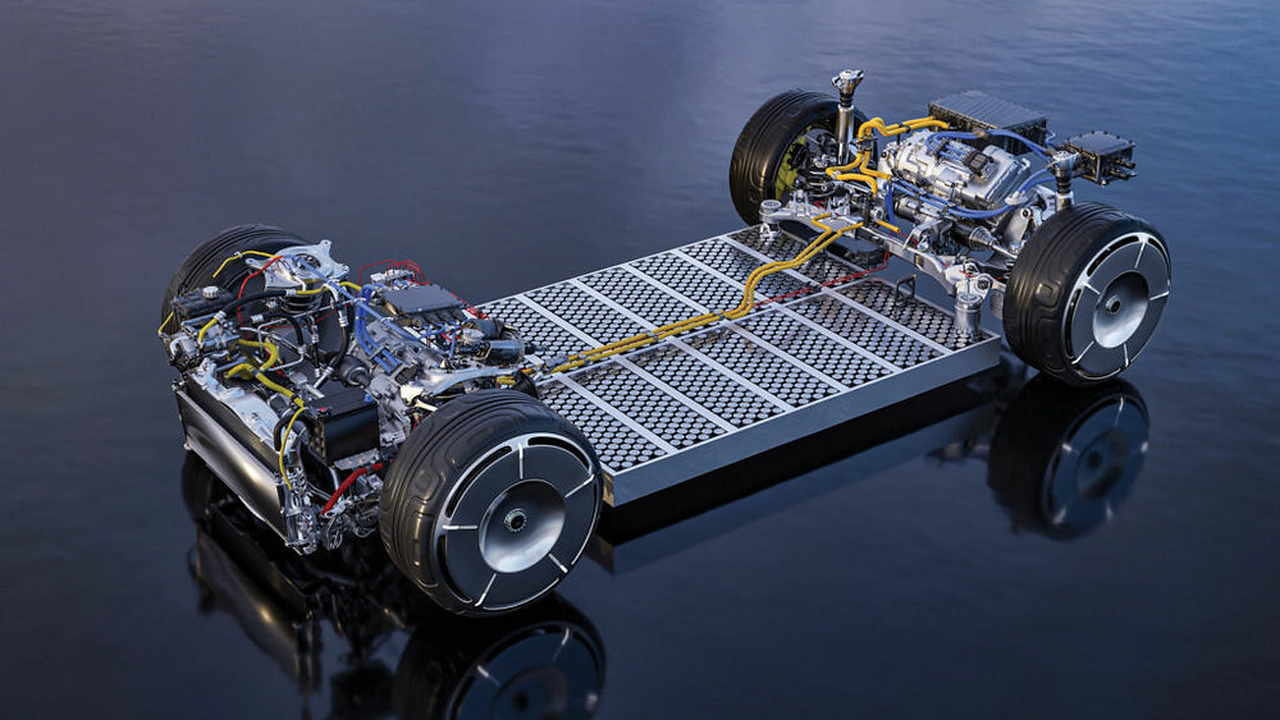
EV battery design is rapidly transitioning towards more highly integrated architectures, such as ‘Cell-to-Pack (CtP)’ and ‘Cell-to-Chassis (CtC)’. These innovative designs place strong demands on adhesives to provide not just a single function, but a combination of multiple performances. Specifically, structural integrity to ensure the overall rigidity of the battery pack, efficient thermal conductivity to enable heat transfer from battery cells to the cooling system, and electrical insulation to guarantee safety in high-voltage environments are simultaneously required. To meet these complex demands, high-performance polyurethane, epoxy, and silicone-based adhesives are being developed, which also contribute to lightweighting and maximizing spatial efficiency.
The Future of Adhesive Technology Pursues Safety and Sustainability
The role of adhesives in EV batteries extends beyond mere bonding. The extended lifespan of batteries, optimization of charging performance, and crucially, protection against potential hazards like thermal runaway, depend on advancements in adhesive and sealant materials. Particularly during a thermal runaway event, intumescent sealants and flame-retardant coatings act as barriers to prevent the spread of fire and heat, contributing to occupant safety. Looking ahead, accelerated developments are expected in sustainable aspects, such as recyclability and the introduction of bio-based materials, along with improvements in manufacturing efficiency through integration with automated dispensing systems, and the creation of new materials that guarantee reliability under increasingly harsh environmental conditions. Adhesive technology continues to be a core innovation driving the sustainable growth of the EV industry and the realization of a safer, higher-performance mobility society.
Source: https://www.inyerself.com/post/what-adhesives-are-used-in-electric-vehicle-batteries
Get our weekly technology intelligence — free
Receive an infographic that lets you judge at a glance whether each field’s analysis report is worth reading.
Subscribe Free — Weekly Tech Intelligence
By subscribing, you’ll receive Troy-Technical’s weekly technology intelligence newsletter.
- Your email and selected fields are used only to deliver the newsletter.
- We never share your information with third parties.
- You can unsubscribe anytime via the link in each email.
See our Privacy Policy for details.
Takes about a minute · Unsubscribe anytime