Key Findings
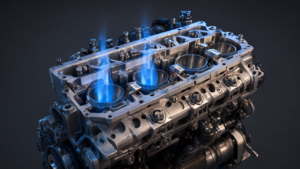
Japan is advancing plans to launch the world’s first commercial power generation engine capable of operating on a fuel mixture containing up to 30% hydrogen by 2026. This groundbreaking engine has successfully completed 11 months of comprehensive demonstration testing at a facility in Kobe, garnering significant anticipation as a practical decarbonization solution that promises to reduce carbon emissions without requiring extensive modifications to existing infrastructure.
Technical / Clinical Details
The new engine generates electricity by combusting a blend of natural gas and hydrogen. By allowing for a hydrogen blend ratio of up to 30%, it achieves a substantial reduction in CO2 emissions compared to conventional natural gas-only engines. A key highlight is its design compatibility with existing gas supply infrastructure and piping systems, which minimizes the capital expenditure and renovation work associated with implementation. This feature is expected to facilitate rapid adoption across various sectors, including factories, commercial facilities, and district heating and cooling systems. Furthermore, a consortium of prominent Japanese engine manufacturers—Kawasaki Heavy Industries, Yanmar Power Solutions, and Japan Engine Corporation—has already concluded land operational tests for marine hydrogen engines under development. They are also pursuing the commercialization of dual-fuel engines for ships, capable of switching between hydrogen and liquefied natural gas (LNG). These technologies have successfully passed stringent testing for combustion stability, exhaust gas characteristics, and durability, confirming their readiness for commercial operation.
Background & Context
Japan prioritizes hydrogen energy as a critical component in achieving its 2050 carbon neutrality goal. Hydrogen co-firing technology is positioned as a pragmatic bridge to decarbonization, particularly in industrial sectors that are difficult to electrify and in areas requiring long-term energy transition. The ability of hydrogen co-firing engines to leverage existing infrastructure makes them a highly attractive option in the current climate, where rapid decarbonization is imperative yet capital investment must be contained. This technology forms a core part of Japan’s energy strategy, balancing the maintenance of domestic industrial competitiveness with contributions to international climate change mitigation efforts.
Strategic Significance & Outlook
The commercial launch of this engine in 2026 represents a major milestone for Japan’s vision of a hydrogen-based society. The widespread adoption of this technology will accelerate the decarbonization of electricity supply and contribute to significant reductions in greenhouse gas emissions across the industrial sector. Moreover, progress in developing dual-fuel engines for ships will enable Japanese technology to contribute to the decarbonization of international maritime transport. This achievement is expected to stimulate further technological development aimed at even higher hydrogen blend ratios and eventually a transition to 100% hydrogen-fueled engines, serving as a powerful impetus for a full-scale transition to a sustainable energy system.
Get our weekly technology intelligence — free
Receive an infographic that lets you judge at a glance whether each field’s analysis report is worth reading.
Subscribe Free — Weekly Tech Intelligence
By subscribing, you’ll receive Troy-Technical’s weekly technology intelligence newsletter.
- Your email and selected fields are used only to deliver the newsletter.
- We never share your information with third parties.
- You can unsubscribe anytime via the link in each email.
See our Privacy Policy for details.
Takes about a minute · Unsubscribe anytime