Key Findings
Toyota Motor Corporation is reportedly making significant strides in the development of hydrogen turbines, moving beyond its traditional focus on piston engines. The company has filed a patent for a smaller, simplified hydrogen turbine design, specifically targeting low-power engine applications ranging from 13 to 130 horsepower. This crucial development signals Toyota’s multifaceted approach to achieving future zero-emission mobility and underscores its commitment to exploring diverse powertrain technologies for decarbonization.
Technical / Clinical Details
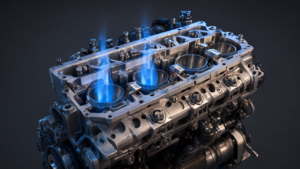
Developing hydrogen-fueled turbine engines presents distinct technical challenges compared to turbines running on conventional hydrocarbon fuels. Hydrogen is significantly lighter than gasoline or diesel and tends to burn at higher temperatures. These characteristics necessitate a fundamental re-evaluation of combustion chamber design, fuel injection systems, and, crucially, ignition methods. Toyota’s patent application is speculated to focus on innovative ignition systems and combustion control mechanisms tailored to address hydrogen’s rapid flame speed and wide flammability limits. By targeting the lower power range (13-130 hp), Toyota likely aims for a more compact and lightweight packaging solution, potentially suitable for niche applications that are difficult to electrify, such as motorcycles, small marine vessels, auxiliary power units, or specific industrial machinery. A simplified design would also contribute to reduced manufacturing costs, a key factor in accelerating broader adoption.
Background & Context
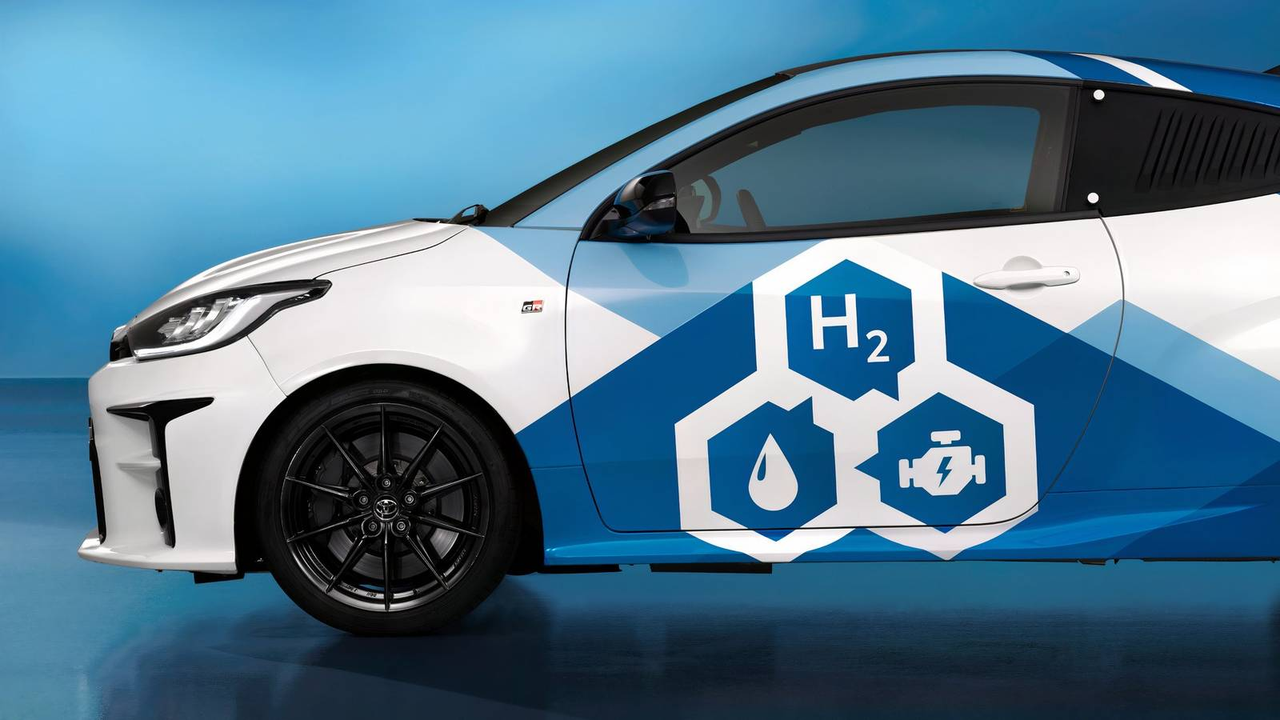
The automotive industry is in a period of intense innovation and exploration regarding the future of internal combustion engines amid global decarbonization efforts. While electric vehicles (EVs) are becoming mainstream, Toyota continues to pursue a broad portfolio of zero-emission technologies, including fuel cell vehicles (FCVs) and hydrogen combustion engines. Hydrogen turbines are typically associated with large-scale applications like aircraft engines. However, Toyota’s efforts to miniaturize this technology could open new avenues for applying hydrogen energy in sectors where electrification is currently economically or technically unfeasible. This strategy reflects Toyota’s philosophy of not relying on a single technology but instead offering optimal energy solutions for specific applications.
Strategic Significance & Outlook
Toyota’s development of small-scale hydrogen turbines is highly significant for broadening the application scope of hydrogen energy. If commercialized, this technology could enable decarbonization in new market segments, offering groundbreaking solutions for last-mile transportation, off-grid power, or specialized vehicles operating under demanding conditions where high performance and sustainability are critical. The upcoming period will be crucial for observing how these patented technologies are integrated into actual products and which markets will be targeted first. This initiative is expected to expand the array of technical options for achieving a hydrogen society, thereby contributing to the accelerated and diversified transition to clean energy.
Source: https://carbuzz.com/toyota-hydrogen-turbine-patent/
Get our weekly technology intelligence — free
Receive an infographic that lets you judge at a glance whether each field’s analysis report is worth reading.
Subscribe Free — Weekly Tech Intelligence
By subscribing, you’ll receive Troy-Technical’s weekly technology intelligence newsletter.
- Your email and selected fields are used only to deliver the newsletter.
- We never share your information with third parties.
- You can unsubscribe anytime via the link in each email.
See our Privacy Policy for details.
Takes about a minute · Unsubscribe anytime