Key Findings
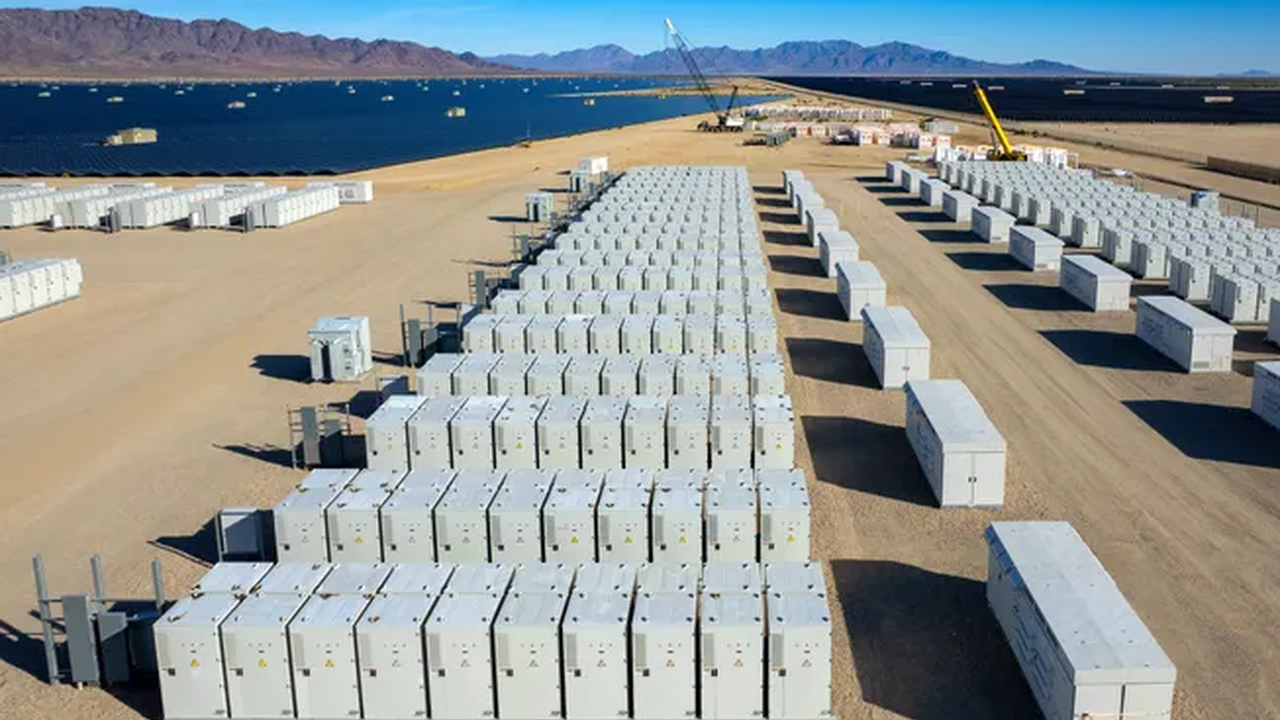
The United States experienced a record-breaking first quarter in 2026 for energy storage deployments, with a staggering 3.3 gigawatts (GW) and 8.4 gigawatt-hours (GWh) of new capacity added to the grid. This represents an impressive 54% increase over the previous Q1 record, clearly indicating an accelerating energy transition in the U.S. The utility-scale Battery Energy Storage System (BESS) sector was the primary driver of this growth, with all market segments setting new installation records.
Technical & Market Details
A joint report by Wood Mackenzie and the American Clean Power Association revealed that the utility-scale market accounted for over 2.3 GW / 6.8 GWh of the 8.4 GWh deployed in Q1 2026, comprising approximately 80% of the total. This signifies the rapid proliferation of battery storage as critical infrastructure for stably integrating intermittent renewable energy sources, either co-located with large solar and wind farms or as standalone facilities. Furthermore, both the residential and commercial & industrial (C&I) segments also achieved their highest-ever quarterly deployment figures, underscoring increasing demand for distributed energy storage solutions across the board.
Background & Context
The U.S. energy storage market has been experiencing rapid growth, fueled by robust federal and state policy support and ambitious renewable energy targets. Legislation such as the Inflation Reduction Act (IRA) has significantly incentivized investments in battery storage projects, contributing to reduced development costs. States like California, Texas, and Arizona, with their extensive renewable energy penetration and high electricity demand, continue to be key drivers of the storage market. This record growth highlights the indispensable role of battery storage in enhancing grid reliability and stabilizing electricity prices during peak demand periods.
Strategic Significance & Outlook
The record-setting Q1 2026 deployment figures suggest that the U.S. energy storage market is poised for continued robust expansion. Long-term forecasts anticipate a substantial increase in installed storage capacity over the coming years, driven by ongoing technological advancements in battery chemistry, further cost reductions, and sustained investment in grid modernization. Energy storage is cementing its position as an indispensable component of a future energy landscape dominated by renewable power, enhancing grid flexibility, resilience, and overall energy security for the nation.
Get our weekly technology intelligence — free
Receive an infographic that lets you judge at a glance whether each field’s analysis report is worth reading.
Subscribe Free — Weekly Tech Intelligence
By subscribing, you’ll receive Troy-Technical’s weekly technology intelligence newsletter.
- Your email and selected fields are used only to deliver the newsletter.
- We never share your information with third parties.
- You can unsubscribe anytime via the link in each email.
See our Privacy Policy for details.
Takes about a minute · Unsubscribe anytime