Key Findings
Ofgem, the UK’s energy regulator, has provisionally selected 16 long-duration electricity storage (LDES) projects with a combined capacity of 7.6 GW under the initial application window of its LDES cap and floor scheme. This significant decision is poised to substantially strengthen the UK’s power grid flexibility and reliability, addressing challenges posed by intermittent renewable energy generation and recent energy supply gaps exposed by heatwaves across the country.
Technical / Clinical Details
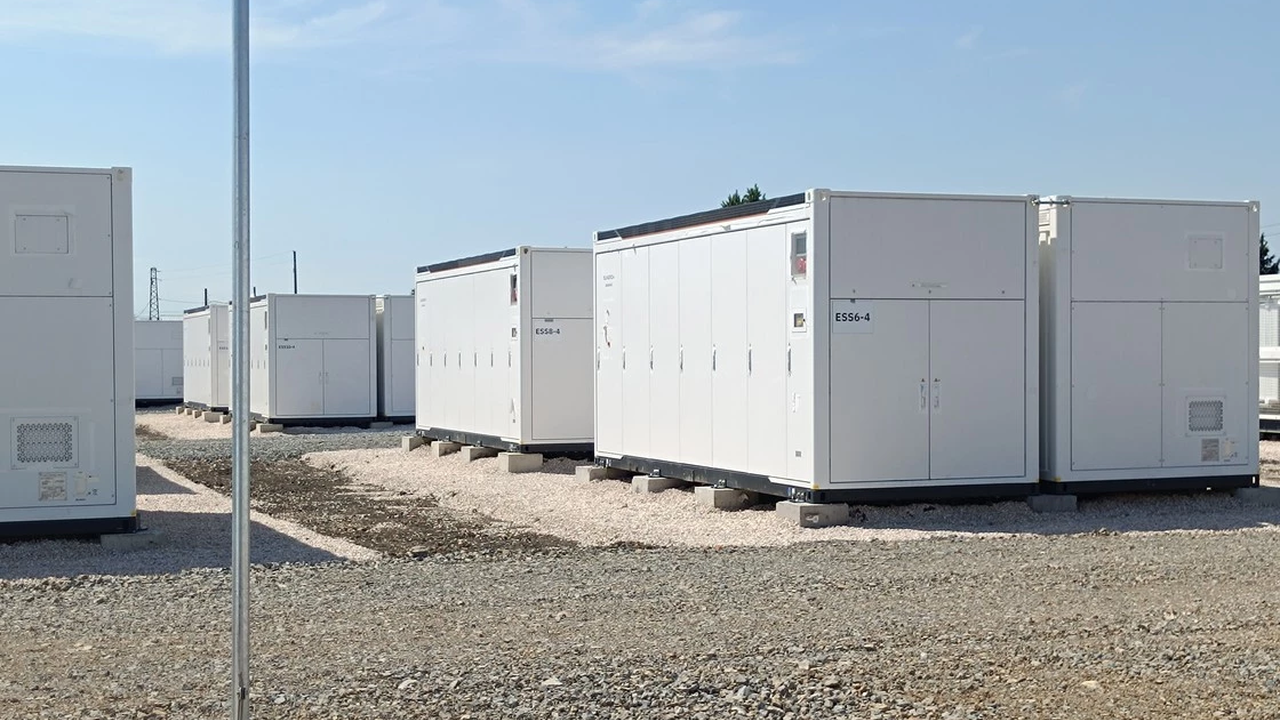
The selected portfolio of 16 projects encompasses a broad spectrum of LDES technologies. These include established solutions like pumped hydro storage, alongside advanced options such as compressed air energy storage (CAES), durable vanadium redox flow batteries (VRFB), and optimized lithium-ion battery energy storage systems (BESS). These facilities are strategically distributed across Scotland, England, and Wales, aiming to provide localized and regional grid balancing services. The multi-technology approach ensures resilience and adaptability to various grid requirements and geographical constraints, particularly in areas with high renewable penetration or grid congestion issues.
Background & Context
The UK is undergoing a rapid transition to renewable energy sources, which necessitates robust solutions to manage the inherent intermittency of wind and solar power. Recent heatwaves have underscored vulnerabilities in the national energy infrastructure, highlighting the urgent need for flexible, long-duration storage to maintain supply during periods of high demand and low generation. Ofgem’s LDES scheme is a critical policy instrument designed to de-risk investment in these nascent but essential technologies, offering financial certainty to developers. The initiative is projected to reduce operational costs by an estimated 150-250 million euros annually, primarily by mitigating grid constraints and deferring costly transmission upgrades.
Strategic Significance & Outlook
The selection of these 16 LDES projects represents a pivotal step towards achieving the UK’s net-zero targets by 2050. By fostering a diverse and geographically distributed array of storage solutions, the UK is enhancing its energy security and resilience against future climate-related and market-driven challenges. The successful deployment of these projects will not only facilitate greater integration of renewable energy but also position the UK as a leader in innovative energy storage solutions. This forward-looking approach will enable a cleaner, more affordable, and more reliable energy system, potentially serving as a blueprint for other nations grappling with similar energy transition complexities.
Get our weekly technology intelligence — free
Receive an infographic that lets you judge at a glance whether each field’s analysis report is worth reading.
Subscribe Free — Weekly Tech Intelligence
By subscribing, you’ll receive Troy-Technical’s weekly technology intelligence newsletter.
- Your email and selected fields are used only to deliver the newsletter.
- We never share your information with third parties.
- You can unsubscribe anytime via the link in each email.
See our Privacy Policy for details.
Takes about a minute · Unsubscribe anytime