Key Findings
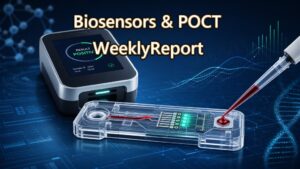
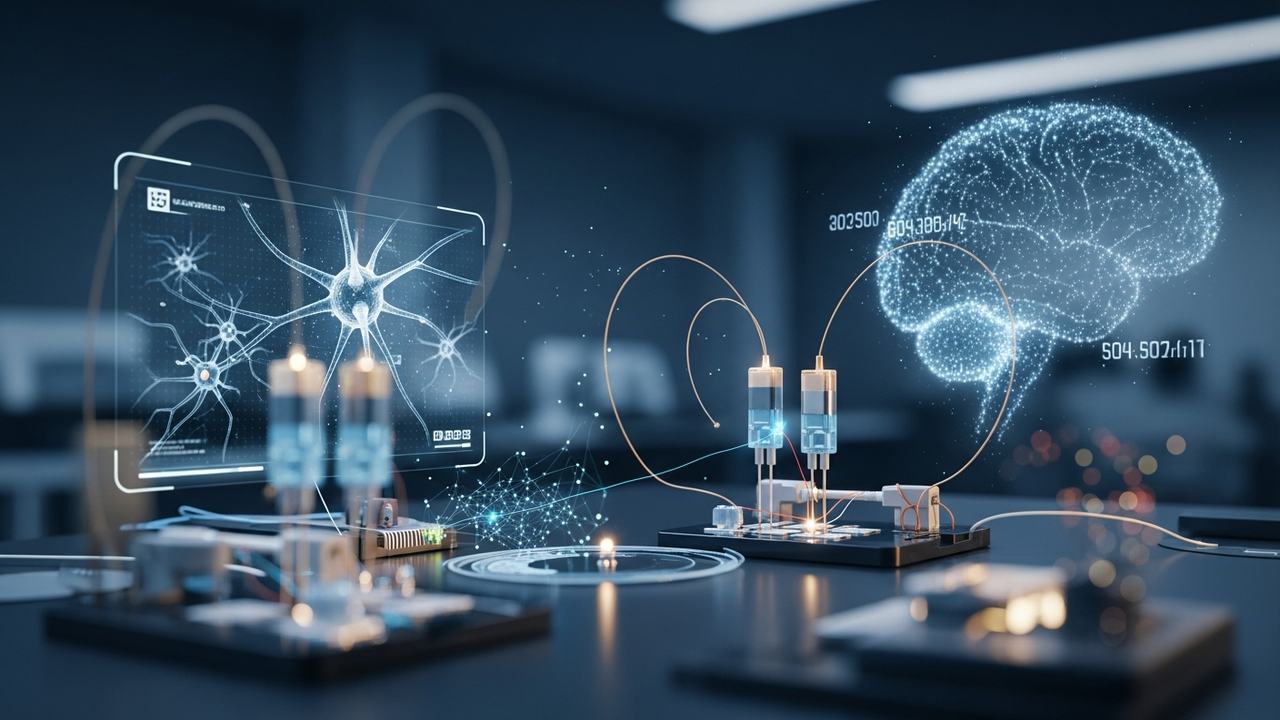
Innovations in affordable sensor technologies within neuroscience and broader biomedical applications are significantly advancing the realization of personalized healthcare. Both electrochemical and optical biosensors are proving immensely useful for therapeutic monitoring, quality assurance, and biomarker monitoring due to their cost-effectiveness and high sensitivity, respectively.
Technical/Clinical Details
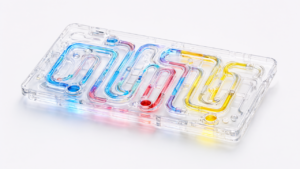
Electrochemical biosensors are widely utilized for glucose monitoring, pathogen detection, and drug concentration monitoring, primarily due to their cost-effectiveness. These sensors function by measuring changes in current or potential in response to the presence of an analyte, offering portable and rapid results. Optical biosensors, on the other hand, provide highly sensitive detection capabilities in medical diagnostics and environmental sensing. They detect analytes by utilizing changes in optical properties such as fluorescence, absorbance, or surface plasmon resonance (SPR). These sensors are applied to monitor biomarkers like cardiac markers and cancer antigens, enabling early disease detection and tracking of progression. In manufacturing, real-time detection of microbial contamination enhances product quality assurance and safety, reducing economic losses from batch failures.
Background & Context
Modern healthcare systems demand early disease detection, personalized treatments, and a shift towards preventive medicine. However, access to expensive diagnostic equipment and specialized tests has often been limited. The advent of affordable, high-performance sensor technologies is bridging this gap, with the potential to democratize healthcare services. Particularly in neuroscience, non-invasive and continuous monitoring is crucial for unraveling complex brain functions and the mechanisms of neurodegenerative diseases.
Strategic Significance & Outlook
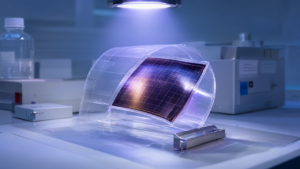
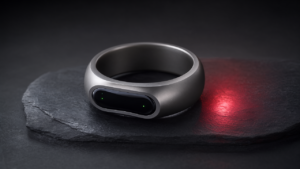
Advances in affordable sensor technology will profoundly transform the future of personalized and preventive medicine. In the coming years, these sensors are expected to be integrated into wearable and implantable devices, leading to more widespread continuous health monitoring in daily life. Furthermore, linkage with AI and machine learning algorithms will provide deeper insights from collected data, improving the accuracy of early disease prediction and personalized interventions. This is expected to contribute significantly to reducing healthcare costs and improving patients’ quality of life.
Source: https://jatir.org/publishedpapers/140701_PAPER.pdf
Get our weekly technology intelligence — free
Receive an infographic that lets you judge at a glance whether each field’s analysis report is worth reading.
Subscribe Free — Weekly Tech Intelligence
By subscribing, you’ll receive Troy-Technical’s weekly technology intelligence newsletter.
- Your email and selected fields are used only to deliver the newsletter.
- We never share your information with third parties.
- You can unsubscribe anytime via the link in each email.
See our Privacy Policy for details.
Takes about a minute · Unsubscribe anytime