Key Findings
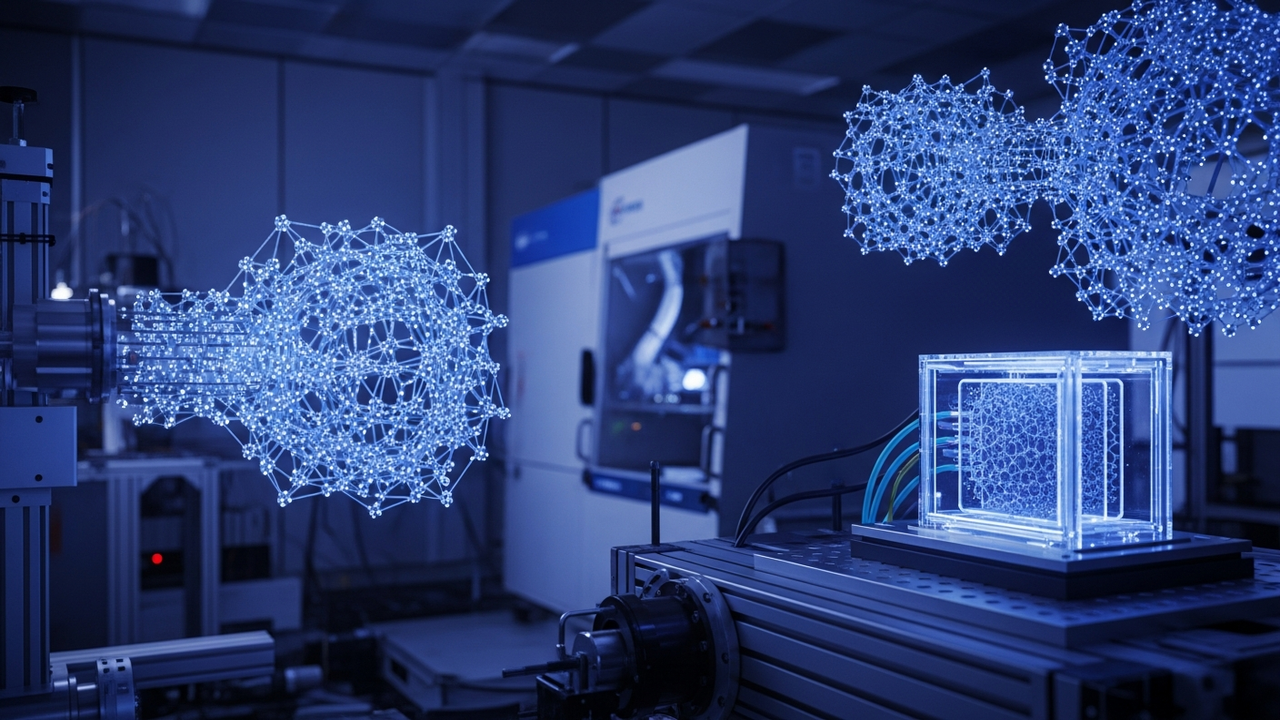
A research team at Caltech has developed a novel 3D electrode structure for lithium-ion batteries that completely eliminates the use of cobalt. This electrode, combining lithium iron phosphate (LFP) with a carbon matrix, achieves enhanced mechanical robustness and improved performance. This technology not only addresses existing challenges in lithium-ion batteries but also holds the potential to evolve into a true all-solid-state battery (SSB) by integrating polymer or polymer-based electrolytes in the future.
Technical Details
The developed 3D electrode features a porous, interconnected carbon network as its scaffold, with LFP active material uniformly distributed within. This architecture shortens lithium-ion diffusion pathways, enabling faster charge and discharge rates. LFP, being cobalt-free, contributes to resource sustainability and cost reduction. Furthermore, LFP’s high thermal stability enhances overall battery safety. The 3D structure also improves the electrode’s mechanical resilience against volume changes during cycling, ensuring long-term cycle stability. The research team envisions that this innovative electrode design, when combined with flexible polymer electrolytes in the future, will enable the construction of all-solid-state batteries completely free of liquid electrolytes. This is a crucial step towards further increasing battery safety and expanding design flexibility.
Background & Context
With the surging demand for lithium-ion batteries, key concerns include supply chain risks for rare metals like cobalt, high costs, and battery safety (risk of fire). LFP-based batteries, known for their cobalt-free composition and superior thermal stability, have garnered attention particularly for stationary energy storage and certain EVs, despite their lower energy density compared to NMC (nickel-manganese-cobalt) systems. This research addresses these challenges of LFP and simultaneously paves the way for next-generation all-solid-state batteries, significantly contributing to the development of sustainable battery technology.
Strategic Significance & Outlook
Caltech’s 3D electrode technology not only directly contributes to improving the performance of current lithium-ion batteries but also serves as a vital foundational technology for the transition to all-solid-state batteries. Future efforts will focus on integration with polymer electrolytes, scaling up manufacturing processes, and validating cost-effectiveness. If successfully commercialized, this technology is expected to make safer, cheaper, and higher-performance batteries available for a wide range of applications, including EVs, portable electronic devices, and renewable energy storage systems. The pathway towards cobalt-free and all-solid-state batteries is an indispensable element in shaping the future of the battery industry.
Get our weekly technology intelligence — free
Receive an infographic that lets you judge at a glance whether each field’s analysis report is worth reading.
Subscribe Free — Weekly Tech Intelligence
By subscribing, you’ll receive Troy-Technical’s weekly technology intelligence newsletter.
- Your email and selected fields are used only to deliver the newsletter.
- We never share your information with third parties.
- You can unsubscribe anytime via the link in each email.
See our Privacy Policy for details.
Takes about a minute · Unsubscribe anytime








Comments