Key Findings
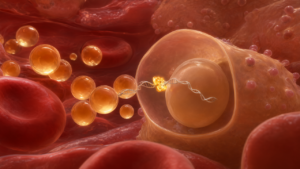
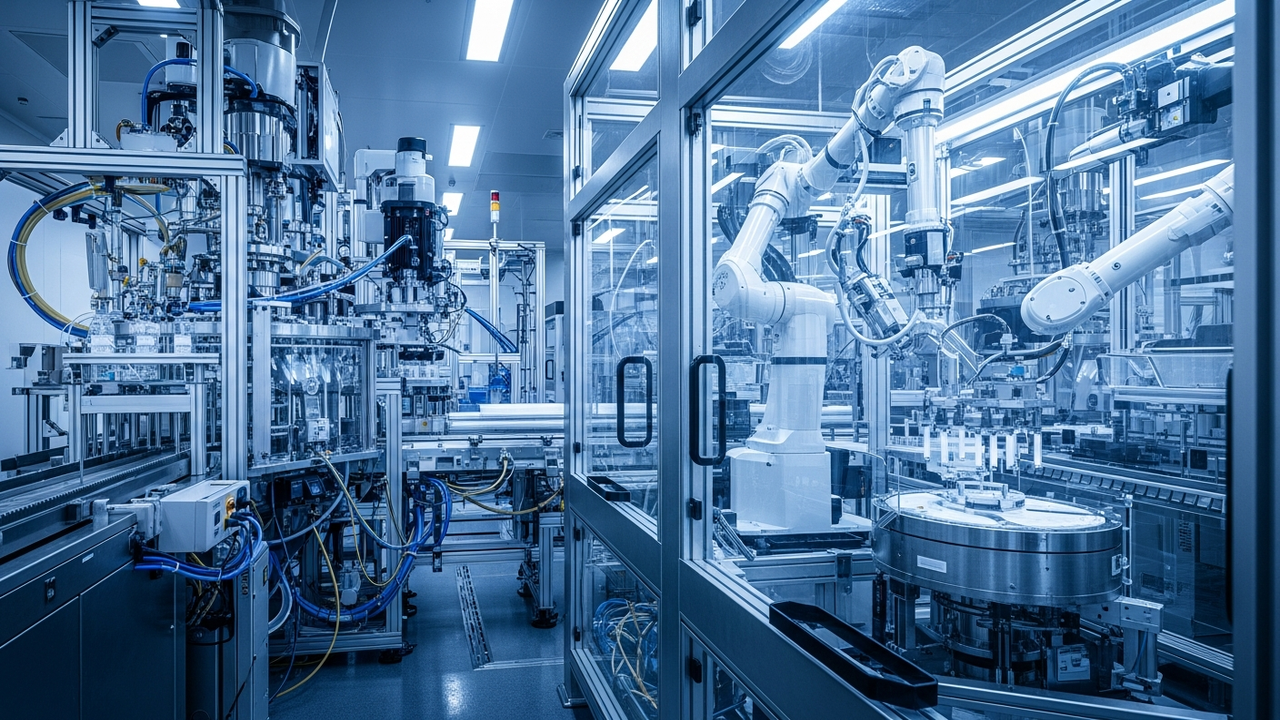
The cell and gene therapy (CGT) sector is undergoing a profound transformation in manufacturing, with continuous production processes and automated closed bioreactor systems emerging as critical enablers for ensuring consistent quality and dramatically boosting manufacturing efficiency. This strategic pivot addresses the inherent challenges of traditional batch processing, particularly in mitigating contamination risks and controlling escalating costs, which are crucial for accelerating the market availability of these innovative treatments.
Technical / Clinical Details
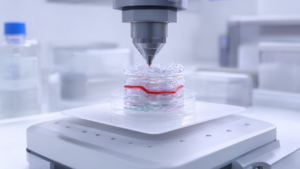
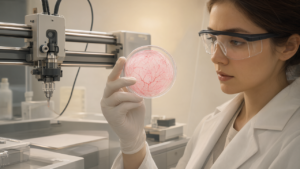
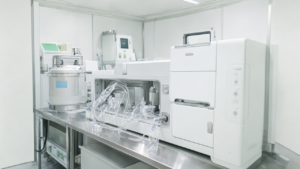
Key impediments to CGT manufacturing include significant variability in raw materials, fluctuating cell potency during expansion, and stringent, complex quality control requirements. Autologous therapies, which necessitate individualized production for each patient, are especially burdened by the high costs and inefficiencies of manual, open-system processing. Continuous manufacturing streamlines the entire production chain, from raw material input to final product, by integrating sequential steps without interruption. This not only shortens production times but also enhances product consistency. Automated closed bioreactor systems are pivotal for eliminating environmental contamination and precisely controlling cell expansion and processing parameters, thereby ensuring the stability and efficacy of the therapeutic product. Furthermore, the incorporation of digital manufacturing technologies enables real-time data monitoring and advanced analytics, leading to substantial improvements in quality control and process optimization.
Background & Context
The rapidly expanding CGT landscape holds immense promise for treating a wide array of diseases. However, the widespread adoption and accessibility of these therapies are currently hampered by high manufacturing costs and limited production capacity. Existing manufacturing infrastructures, while suitable for laboratory-scale research, are often inadequate for large-scale commercial production. Consequently, process automation and scalability have become top priorities for the entire industry. Applying established pharmaceutical good manufacturing practice (GMP) standards to CGTs presents unique challenges, which can be efficiently navigated by integrating regulatory compliance directly into automated systems.
Strategic Significance & Outlook
Looking ahead, CGT manufacturing is anticipated to further evolve through greater automation and the integration of artificial intelligence (AI). AI will play a crucial role in analyzing process data, facilitating predictive maintenance, and optimizing quality assurance, thereby boosting manufacturing efficiency and reliability. The adoption of decentralized manufacturing models is also expected, potentially allowing production closer to the point of care. This approach could significantly reduce supply chain complexities and improve patient access, particularly for personalized therapies. These advancements collectively lay the groundwork for making CGTs more affordable and widely available to a global patient population, marking a new chapter in precision medicine.
Get our weekly technology intelligence — free
Receive an infographic that lets you judge at a glance whether each field’s analysis report is worth reading.
Subscribe Free — Weekly Tech Intelligence
By subscribing, you’ll receive Troy-Technical’s weekly technology intelligence newsletter.
- Your email and selected fields are used only to deliver the newsletter.
- We never share your information with third parties.
- You can unsubscribe anytime via the link in each email.
See our Privacy Policy for details.
Takes about a minute · Unsubscribe anytime