Key Findings
A team of scientists at Cornell University has developed a groundbreaking electrochemical bath, termed ‘Direct Electrode-to-Electrode Regeneration (DEER),’ that restores used lithium-ion battery electrodes to nearly their original performance. This novel method is capable of recovering up to 95% of a degraded battery’s initial capacity and is reported to reduce processing costs by 56% compared to conventional battery recycling techniques.
Technical / Clinical Details
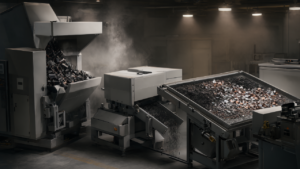
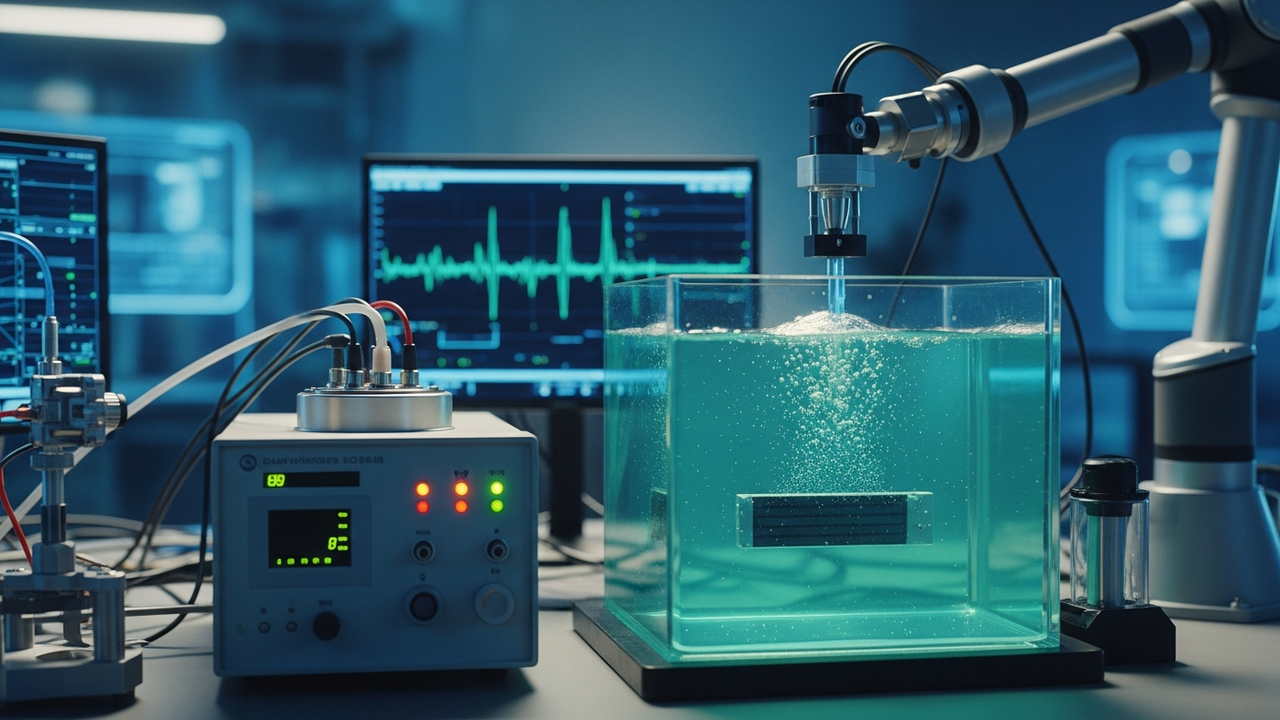
The DEER process focuses on directly regenerating the chemical state and structure of electrode surfaces without dissolving the degraded electrode materials. The research team utilizes an electrochemical bath to remove inactive substances accumulated on the electrode surface and promote the reconstruction of its crystalline structure. This ‘activation’ process significantly restores the battery’s charge and discharge capacity by enabling efficient lithium-ion movement within the electrode material. Unlike traditional battery recycling, which often involves physically crushing used batteries followed by high-temperature or strong acid chemical treatments to extract valuable metals, the DEER method bypasses these energy-intensive and environmentally burdensome steps. This results in not only a 56% reduction in processing costs but also substantial environmental benefits, including reduced water consumption and air pollutant emissions.
Background & Context
With the explosive growth in demand for lithium-ion batteries driven by the proliferation of electric vehicles (EVs) and portable electronic devices, the treatment of used batteries and the recovery of valuable raw materials have become global challenges. Existing recycling processes often face issues of high cost, high energy consumption, and significant environmental impact. Consequently, there has been an urgent need for the development of more efficient and sustainable battery recycling technologies. Direct electrode regeneration techniques like DEER hold the potential to bring about a paradigm shift in this field, representing a crucial step towards achieving a circular economy.
Strategic Significance & Outlook
The DEER technology developed by Cornell University has the potential to revolutionize the battery recycling industry. Its high capacity recovery rate and cost reduction benefits significantly enhance the economic value of recycled battery materials, helping to reduce reliance on virgin raw material extraction for new battery manufacturing. If this technology is scaled up commercially, it could further lower the lifecycle costs of EV batteries and accelerate the adoption of sustainable mobility and energy storage solutions. Future research and development, along with industrial partnerships, are expected to focus on bringing this technology to practical application.
Source: https://newatlas.com/energy/electrode-restoring-bath-lithium-batteries/
Get our weekly technology intelligence — free
Receive an infographic that lets you judge at a glance whether each field’s analysis report is worth reading.
Subscribe Free — Weekly Tech Intelligence
By subscribing, you’ll receive Troy-Technical’s weekly technology intelligence newsletter.
- Your email and selected fields are used only to deliver the newsletter.
- We never share your information with third parties.
- You can unsubscribe anytime via the link in each email.
See our Privacy Policy for details.
Takes about a minute · Unsubscribe anytime