Key Findings
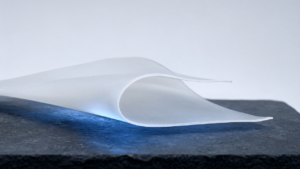
A polymer electrolyte system that is both inherently degradable and exhibits exceptionally high fire safety has been developed by integrating a trace amount of multifunctional flame retardant into a polycaprolactone-based composite electrolyte. This breakthrough addresses the persistent environmental challenge of polymer electrolyte waste while simultaneously endowing all-solid-state lithium metal batteries with superior electrochemical performance and an unprecedented level of fire safety.
Technical/Clinical Details
The developed polymer composite solid electrolyte utilizes polycaprolactone (PCL), a biodegradable polymer, as its main framework. Its flame retardancy is dramatically enhanced by incorporating a trace amount of a phosphorus-based flame retardant, such as specific organic phosphorus compounds. This flame retardant is designed not only to effectively suppress electrolyte combustion but also to do so without compromising the electrolyte’s ionic conductivity or mechanical properties. Consequently, the material maintains high ionic conductivity (on the order of 10⁻⁴ S/cm at room temperature) and sufficient mechanical strength to suppress lithium dendrite growth, while significantly reducing the risk of ignition even in the event of battery damage. Furthermore, the degradability of PCL offers a distinct environmental advantage, with a much lower post-use environmental footprint compared to conventional polymer electrolytes.
Background & Context
While lithium-ion batteries are widely used in electric vehicles (EVs) and mobile devices, the flammability of their liquid electrolytes has always posed a risk of thermal runaway. All-solid-state batteries aim to improve safety by replacing this liquid electrolyte with a solid one. Polymer solid electrolytes, in particular, are attractive due to their flexibility and ease of manufacturing but have been challenged by low ionic conductivity and insufficient flame retardancy. Additionally, the issue of waste from used batteries is a pressing environmental concern demanding urgent solutions for a sustainable society. This research offers an innovative solution to these critical challenges by combining safety and environmental consciousness.
Strategic Significance & Outlook
This degradable and highly flame-retardant polymer composite solid electrolyte holds significant potential to accelerate the practical application of next-generation lithium metal batteries. Its environmentally conscious design and exceptional safety characteristics are particularly responsive to consumer and regulatory demands, making it a crucial factor in establishing a competitive edge in the EV market. Future research will likely focus on long-term performance stability, optimization of mass production processes, and cost reduction. Should this technology gain widespread adoption, it is expected to lead to safer and more environmentally friendly batteries, contributing significantly to the transition towards a sustainable society.
Get our weekly technology intelligence — free
Receive an infographic that lets you judge at a glance whether each field’s analysis report is worth reading.
Subscribe Free — Weekly Tech Intelligence
By subscribing, you’ll receive Troy-Technical’s weekly technology intelligence newsletter.
- Your email and selected fields are used only to deliver the newsletter.
- We never share your information with third parties.
- You can unsubscribe anytime via the link in each email.
See our Privacy Policy for details.
Takes about a minute · Unsubscribe anytime