Key Findings
The advancement of next-generation polymers possessing innovative capabilities such as self-healing, renewable properties, and electrical conductivity is opening new frontiers in materials science. These polymers hold the potential to enable groundbreaking applications across a wide range of industries by offering self-recovery from damage, environmental responsibility, and integrated electrical functionality.
Technical / Clinical Details
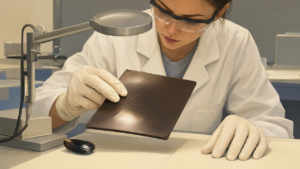
Of particular note is a self-healing plastic developed in a German laboratory. This material can fully restore structural damage, such as minor scratches or cracks, simply by applying gentle thermal stimulation (e.g., mild heat from a hairdryer). This functionality is based on a mechanism where specific chemical bonds within the polymer reversibly reform upon heating. Additionally, self-healing polymers are being developed with potential applications in robotic skin and advanced wearable devices. These polymers, which can function as sensors and actuators, are designed to autonomously repair physical damage from external stress, thereby significantly extending device lifespan and reliability. Renewable polymers, derived from plant-based biomass or recycled plastics, contribute to reducing environmental impact. Conductive polymers are increasingly used in flexible electronics and energy storage devices as lightweight, flexible alternatives to traditional metal conductors.
Background & Context
Modern society increasingly demands enhanced product durability, reduced environmental impact, and the incorporation of new functionalities. Conventional materials historically posed challenges, often requiring replacement or suffering performance degradation once damaged. Self-healing materials fundamentally address this issue, contributing to extended product lifespans and waste reduction. Furthermore, there is growing interest in renewable materials as industries seek to reduce reliance on fossil resources and move towards a sustainable society. The proliferation of the information age has driven demand for lightweight and flexible electronic components, making conductive polymers a critical key technology to meet these needs.
Strategic Significance & Outlook
Next-generation polymers with self-healing, renewable, and conductive properties are expected to see accelerating applications across diverse industrial sectors, including automotive, aerospace, medical, electronics, and robotics. Specifically, in robotic tactile sensors and wearable health monitoring devices, polymers combining self-healing capabilities with conductivity will offer new user experiences and enhanced reliability. Moreover, their expanded use as renewable materials will become a standard in sustainable product design. Further research, development, and commercialization of these polymer technologies are anticipated to be crucial drivers towards a smarter, more durable, and environmentally friendlier society.
Get our weekly technology intelligence — free
Receive an infographic that lets you judge at a glance whether each field’s analysis report is worth reading.
Subscribe Free — Weekly Tech Intelligence
By subscribing, you’ll receive Troy-Technical’s weekly technology intelligence newsletter.
- Your email and selected fields are used only to deliver the newsletter.
- We never share your information with third parties.
- You can unsubscribe anytime via the link in each email.
See our Privacy Policy for details.
Takes about a minute · Unsubscribe anytime