Background
While CAR T-cell therapy has achieved remarkable success in hematological malignancies, its efficacy against solid tumors has been severely limited. This limitation stems from several challenges, including the scarcity of appropriate tumor-specific targets, the immunosuppressive nature of the tumor microenvironment, and difficulties in CAR T-cell infiltration into solid tumor masses. The development of GCAR1 is highly significant as it directly addresses one of these critical hurdles: the identification of a safe and effective solid tumor-specific target. This breakthrough is anticipated to accelerate the competitive landscape for solid tumor CAR T-cell therapy development, inspiring researchers and pharmaceutical companies globally to investigate similar targets and therapeutic approaches. The simultaneous publication in prestigious journals like *Nature* and *Nature Cancer* further underscores the scientific rigor and high clinical significance of this research.
Key Findings
A collaborative research team from the University of Calgary and McMaster University has successfully identified a novel, uniquely expressed target in solid tumors, leading to the development of GCAR1, a first-in-class experimental CAR T-cell therapy. This groundbreaking approach demonstrated highly promising anti-tumor activity in preclinical and early-phase clinical trials against sarcomas and other solid cancers. Published simultaneously in *Nature* and *Nature Cancer*, these findings mark a significant breakthrough in addressing the longstanding challenge of identifying safe and effective targets for solid tumor CAR T-cell therapies.
Technical Details
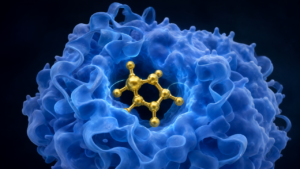
GCAR1 is engineered to specifically target a particular glycoprotein broadly present in solid tumors but minimally expressed in healthy tissues. This precise target identification enables a high degree of discrimination between cancer cells and normal cells, significantly reducing the risk of off-target toxicity. The therapy involves collecting a patient’s own T-cells, genetically modifying them *ex vivo* to express a chimeric antigen receptor (CAR) designed to bind to this novel target. These armed ‘living drugs’ are then reinfused into the patient to specifically seek and destroy cancer cells. Preclinical animal models and early-phase clinical trials involving a small cohort of patients confirmed GCAR1 exhibited potent anti-tumor effects in sarcomas and other solid tumors, leading to tumor shrinkage or stabilization. Crucially, the safety profile was acceptable, with limited severe cytokine release syndrome or neurotoxicity, common adverse events associated with other CAR T-cell therapies.
Strategic Outlook
GCAR1 is expected to advance into later-stage clinical trials involving larger patient cohorts. These trials will be crucial for thoroughly evaluating long-term safety, efficacy, and the durability of the treatment’s response. If successful, GCAR1 could become a transformative therapeutic option for patients suffering from sarcomas and other refractory solid cancers. Furthermore, this innovative approach holds potential for application across other solid tumor types, likely stimulating the discovery of similar novel tumor-specific antigens. Ultimately, targeted CAR T-cell therapies like GCAR1 are poised to be established as the fourth pillar of cancer treatment, alongside surgery, radiation, and chemotherapy, fundamentally reshaping the future of oncology and offering new hope for patients with challenging solid malignancies.
Get our weekly technology intelligence — free
Receive an infographic that lets you judge at a glance whether each field’s analysis report is worth reading.
Subscribe Free — Weekly Tech Intelligence
By subscribing, you’ll receive Troy-Technical’s weekly technology intelligence newsletter.
- Your email and selected fields are used only to deliver the newsletter.
- We never share your information with third parties.
- You can unsubscribe anytime via the link in each email.
See our Privacy Policy for details.
Takes about a minute · Unsubscribe anytime