Key Findings
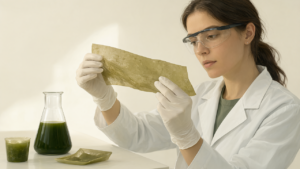
A recent study by CSIR-NIScPR in India has unveiled a groundbreaking approach to developing high-performance, eco-friendly polypropylene (PP) composites by incorporating industrial waste fly ash and natural abaca fibers. The research specifically highlights that hybrid composites containing 7.5–10 wt.% abaca fiber and 3 wt.% compatibilizer exhibit significantly improved mechanical properties, including tensile, flexural, and impact strength. This advancement positions these materials as viable lightweight and durable alternatives to conventional plastics across diverse sectors, notably automotive components, packaging solutions, and consumer products.
Technical / Clinical Details
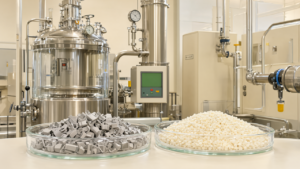
The fabrication of these hybrid PP composites employed a melt blending technique, allowing for a detailed examination of the synergistic effects of abaca fiber and fly ash. Fly ash, characterized by its fine particle size and rich content of inorganic components like silica, alumina, and iron, contributes to enhanced stiffness and strength. Abaca fibers, known for their high tensile strength and lightweight nature, act as effective reinforcing agents. Crucially, the incorporation of a compatibilizer, such as maleic anhydride-grafted polypropylene (MAPP), was found to be essential for improving interfacial adhesion between the polar natural fibers and the non-polar PP matrix. Experimental results confirmed that optimal compatibilizer loading maximizes the overall mechanical performance and also improves physical properties like water absorption, ensuring stable performance in various environmental conditions.
Background & Context
In an era of escalating environmental concerns, the issue of plastic waste necessitates the urgent development of sustainable materials utilizing renewable resources and industrial byproducts. Polypropylene, a widely used commodity plastic, presents an ongoing challenge for property enhancement and environmental footprint reduction. Abaca fiber, sourced from the banana family plant primarily in the Philippines, offers high strength and saltwater resistance. Fly ash, a voluminous byproduct from coal-fired power plants, represents a significant environmental challenge if not repurposed effectively. This research uniquely combines these two sustainable inputs to create a high-performance, cost-effective composite, promising to revolutionize existing plastic markets.
Strategic Significance & Outlook
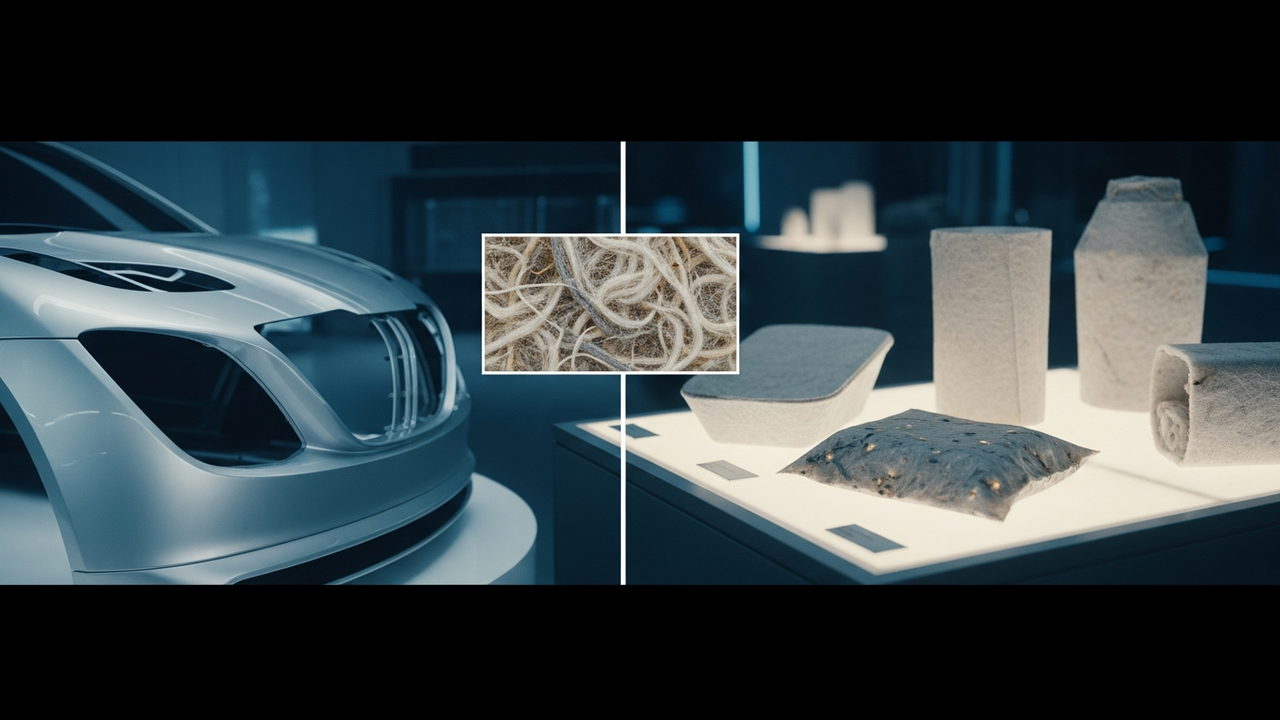
The superior properties of these abaca fiber-fly ash reinforced PP composites are expected to contribute to significant weight reduction in automotive interior and exterior parts, enhance durability and recyclability in food and non-food packaging, and extend the lifespan of consumer goods like furniture and appliances. Future efforts will focus on scaling up production, conducting long-term durability tests, optimizing cost structures, and establishing robust recycling processes for industrial adoption. Furthermore, exploring combinations with other natural fibers and industrial wastes could lead to an even broader spectrum of composite materials. This study marks a vital step forward in materials science towards achieving a more sustainable global economy.
Source: https://or.niscpr.res.in/index.php/IJFTR/article/view/21823
Get our weekly technology intelligence — free
Receive an infographic that lets you judge at a glance whether each field’s analysis report is worth reading.
Subscribe Free — Weekly Tech Intelligence
By subscribing, you’ll receive Troy-Technical’s weekly technology intelligence newsletter.
- Your email and selected fields are used only to deliver the newsletter.
- We never share your information with third parties.
- You can unsubscribe anytime via the link in each email.
See our Privacy Policy for details.
Takes about a minute · Unsubscribe anytime