Key Findings
A research team at the University of New South Wales (UNSW) has developed a groundbreaking ultralight wearable sensor, dubbed ‘AusculPatch,’ which enables continuous health monitoring for patients with cardiac and pulmonary conditions within their home environments. This innovative device possesses the capability to record subtle vibrations and sounds emanating from the heart, lungs, and blood vessels in real-time. Crucially, future integration with artificial intelligence (AI) systems is planned to allow the AusculPatch to issue early alerts to healthcare professionals upon detecting deterioration in the wearer’s health. This development is poised to dramatically improve patient disease management and reduce the necessity for frequent hospital visits.
Technical / Clinical Details
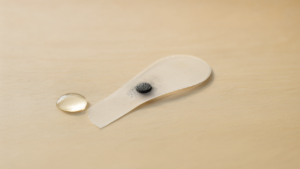
The AusculPatch is designed as a patch that adheres directly to the skin. Its ultralight construction ensures that patients can wear it continuously during daily activities with minimal discomfort or awareness. The sensor combines a highly sensitive microphone array with sophisticated data processing algorithms to capture intricate acoustic data, including heart sounds, lung sounds, and subtle vibrations caused by blood flow. This acoustic data provides critical information regarding cardiopulmonary function, such as heart rate variability, abnormal breathing patterns, and signs of pulmonary congestion. While the current version focuses on data recording, researchers are actively integrating AI to automatically identify anomalous patterns within the collected acoustic data and build predictive models for disease exacerbation or acute event risk. This capability could, for example, enable the early detection of pulmonary edema in heart failure patients or worsening airway constriction in asthma sufferers, triggering timely medical intervention before symptoms become critical.
Background & Context
Chronic cardiac and pulmonary diseases represent a substantial global health burden, contributing to high morbidity and mortality rates and placing immense strain on healthcare systems. Management of these conditions traditionally relies on periodic doctor visits and laboratory tests, often leading to delayed interventions when patients experience symptomatic deterioration at home. Wearable continuous monitoring technologies like the AusculPatch fill this critical ‘monitoring gap,’ serving as a key enabler for a paradigm shift from hospital-centric to patient-centric remote care. For individuals in geographically isolated areas, the elderly, or those with mobility challenges, receiving professional-level monitoring at home directly translates to significant improvements in healthcare access and quality of life.
Strategic Significance & Outlook
The future prospects for the AusculPatch are extensive. Once AI integration is complete, the sensor will not only predict disease deterioration but also combine with patient behavioral patterns and lifestyle data to offer personalized health advice. For example, it could analyze the impact of specific activities on cardiac function and recommend safe exercise levels. Furthermore, integration with telehealth platforms will enable remote physicians to access patient data in real-time, facilitating swift intervention when necessary. This holistic approach is expected to improve outcomes for patients with chronic conditions such as heart disease, chronic obstructive pulmonary disease (COPD), and asthma, leading to reduced emergency hospitalizations and lower overall healthcare costs. UNSW’s endeavor with AusculPatch represents a vital step in shaping the future of wearable medical devices and personalized health management.
Source: https://www.icthealth.org/news/smart-sensor-enables-continuous-heart-monitoring-at-home
Get our weekly technology intelligence — free
Receive an infographic that lets you judge at a glance whether each field’s analysis report is worth reading.
Subscribe Free — Weekly Tech Intelligence
By subscribing, you’ll receive Troy-Technical’s weekly technology intelligence newsletter.
- Your email and selected fields are used only to deliver the newsletter.
- We never share your information with third parties.
- You can unsubscribe anytime via the link in each email.
See our Privacy Policy for details.
Takes about a minute · Unsubscribe anytime