Key Findings
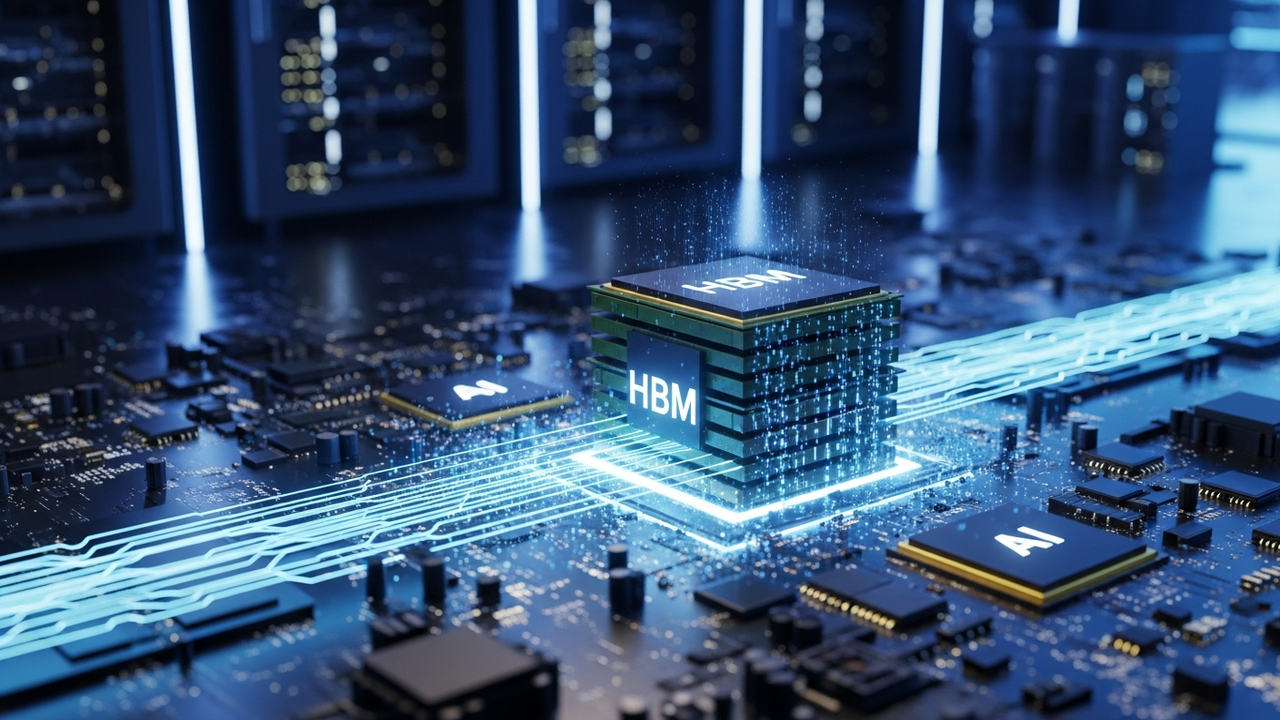
The explosive growth of the AI sector has ignited a structural supply crisis for High Bandwidth Memory (HBM), positioning it as the most critical bottleneck for AI hardware deployment throughout 2026, with projections indicating it will persist until at least 2027. The HBM market has fundamentally shifted from a supply-driven environment to one defined by extreme over-demand, with major memory manufacturers reportedly sold out for years in advance. A primary driver of this demand surge is the rapid increase in per-chip memory allocation, exemplified by NVIDIA’s Blackwell B200 GPU, which utilizes 192GB of HBM3E—a 140% increase over the H100’s 80GB.
Technical / Clinical Details
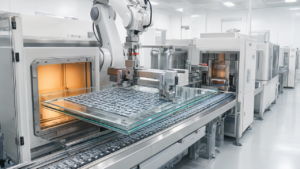
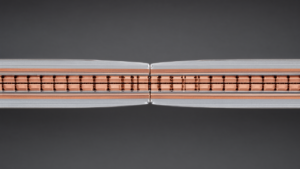
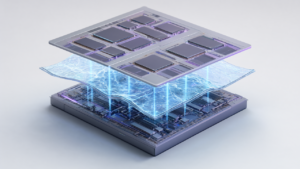
The manufacturing of HBM stacks is a highly complex process, requiring tiny Through Silicon Vias (TSVs) and extremely high-precision bonding equipment. TSVs enable vertical stacking of DRAM dies, providing high-density data paths, but this technology is challenged by low yield tolerances. The scarcity of vendors capable of manufacturing these specialized tools, particularly multi-layer bonders, creates an equipment-specific bottleneck. For instance, HANMI (Hanmi Semiconductor), a leading bonder manufacturer, reportedly faces a 12-month backlog, significantly constraining HBM production capacity expansion. TSMC’s CoWoS (Chip-on-Wafer-on-Substrate) production capacity is targeted to increase by 25% by the end of 2026; however, AI demand growth is outpacing this expansion, elevating advanced packaging as the most severe bottleneck. This confluence of technical challenges and equipment shortages exacerbates the HBM supply deficit.
Background & Context
The increasing complexity and scale of AI models necessitate not only greater computational power but also a dramatic increase in memory bandwidth to enable ultra-fast data transfer between processors and memory. HBM was developed to address this ‘memory bottleneck’ and has become an indispensable component for AI accelerators. However, HBM manufacturing is highly technology-intensive, involving numerous complex steps from DRAM chip fabrication and TSV formation to die stacking, micro-bump or hybrid bonding, and final packaging. Consequently, expanding production capacity requires massive capital expenditure and long lead times. Micron Technology is investing $15 billion in an advanced HBM packaging facility in the U.S., and SK Hynix plans to build a $3.87 billion packaging plant in Indiana, demonstrating significant investments by major memory manufacturers to alleviate the shortage. These investments also align with U.S. government policies (e.g., the CHIPS Act) to incentivize domestic semiconductor manufacturing.
Strategic Significance & Outlook
The HBM supply crisis will directly impact the growth trajectory and development pace of the entire AI industry. It is highly probable that supply will not meet demand until at least 2027, leading to elevated AI chip prices, delays in AI hardware delivery, and constraints on AI infrastructure investments. While large-scale capital investments by memory manufacturers and packaging providers will contribute to long-term supply capacity improvement, short-term bottlenecks are likely to persist. The industry as a whole must address this challenge through HBM technology optimization, the development of new packaging solutions, and collaborative supply chain optimization. Stable HBM supply remains an absolute prerequisite for AI to achieve its next breakthroughs.
Source: https://enkiai.com/data-center/hbm-supply-crisis-2026-the-bottleneck-redefining-ai/
Get our weekly technology intelligence — free
Receive an infographic that lets you judge at a glance whether each field’s analysis report is worth reading.
Subscribe Free — Weekly Tech Intelligence
By subscribing, you’ll receive Troy-Technical’s weekly technology intelligence newsletter.
- Your email and selected fields are used only to deliver the newsletter.
- We never share your information with third parties.
- You can unsubscribe anytime via the link in each email.
See our Privacy Policy for details.
Takes about a minute · Unsubscribe anytime