Background
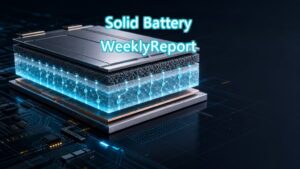
All-solid-state batteries (ASSBs) have long been considered a “dream battery” due to their potential to mitigate thermal runaway risks, increase energy density, and extend battery life by replacing volatile liquid organic electrolytes with solid alternatives. For many years, ASSB development was largely confined to research laboratories. However, the mid-2020s have marked a critical turning point, with major industry players announcing concrete mass production plans and initiating pilot line operations, significantly accelerating their path to commercialization. The high demands from the automotive industry, in particular, have served as a primary catalyst for this technological advancement.
Key Findings
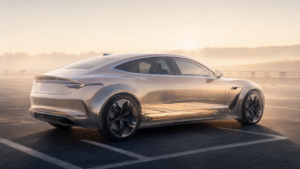
In 2026, the all-solid-state battery (ASSB) industry decisively moved beyond laboratory-scale research into a crucial engineering validation phase, spearheaded by leading manufacturers in Japan and South Korea. Companies such as Toyota, Honda, Nissan, and Samsung SDI have successfully demonstrated validation for specific performance metrics of automotive-grade ASSBs through small-scale pilot production, marking a significant stride towards practical application.
Technologically, many companies are advancing their Technology Readiness Levels (TRL) to TRL4-6, indicating that fundamental research is complete, laboratory-scale prototypes have been successfully demonstrated, and system subcomponents are now being tested in relevant environments. Chinese giants like CATL and BYD are also actively accelerating their pilot line developments within this critical range. Japanese and South Korean manufacturers have reported achieving validation for certain ASSB products against stringent automotive performance requirements, likely encompassing enhanced safety, extended cycle life, improved low-temperature performance, and rapid charging capabilities.
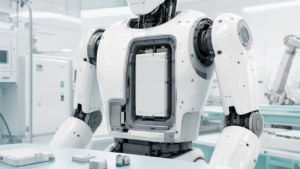
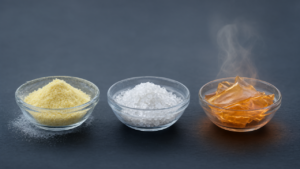
The scope of ASSB applications is rapidly broadening beyond electric vehicles (EVs) to include demanding sectors such as drones, eVTOL aircraft, and AI robots, all of which require high power and energy densities that surpass conventional lithium-ion battery capabilities. A critical development supporting commercialization is the reported halving of lithium sulfide prices—a key ASSB material—over the past six months. This indicates improved material supply stability and significant cost reduction, vital for the economic viability of future ASSB mass production.
This transition to the engineering validation phase by leading manufacturers in Japan, South Korea, and China represents a decisive step toward ASSB commercialization. The maturation of the supply chain and reduction in material costs are expected to significantly lower economic barriers to mass production. Future efforts will concentrate on achieving automotive-grade durability and reliability, alongside establishing cost competitiveness. ASSBs are projected to secure a substantial foothold in the EV market by the 2030s, with these technological advancements poised to have long-term transformative impacts across the automotive, aerospace, and robotics industries.
Get our weekly technology intelligence — free
Receive an infographic that lets you judge at a glance whether each field’s analysis report is worth reading.
Subscribe Free — Weekly Tech Intelligence
By subscribing, you’ll receive Troy-Technical’s weekly technology intelligence newsletter.
- Your email and selected fields are used only to deliver the newsletter.
- We never share your information with third parties.
- You can unsubscribe anytime via the link in each email.
See our Privacy Policy for details.
Takes about a minute · Unsubscribe anytime