Key Findings
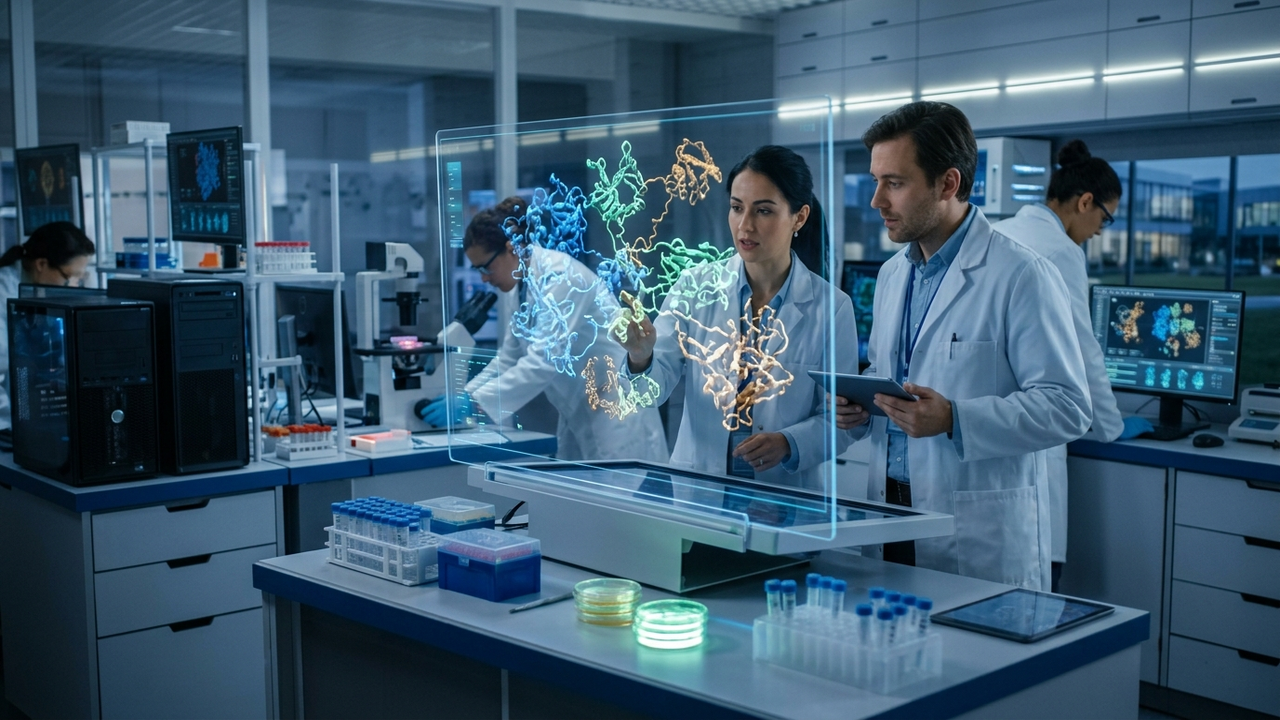
A recent study has reported that the intricate interactions between proteins are shedding new light on the underlying causal mechanisms of autism spectrum disorder (ASD). This advancement deepens our understanding of the biological basis of ASD and holds the potential to ultimately lead to the design of more effective diagnostics and therapeutic interventions.
Technical / Clinical Details
The research employed advanced proteomics techniques and systems biology approaches to meticulously analyze alterations in protein-protein interaction networks within brain tissues and iPSC-derived neuronal models from ASD patients. Specifically, abnormalities in the formation and dissolution of certain protein complexes involved in neurodevelopment, synaptic function, cell adhesion, and immune responses were identified. These abnormalities are suggested to correlate with the core symptoms of ASD, such as difficulties in social communication and repetitive behaviors. For instance, dysregulation in the binding of specific scaffold proteins within the postsynaptic density (PSD) with their partner proteins was implicated in leading to neural circuit dysfunction. Furthermore, the study elucidated how these protein interaction networks change in ASD models possessing specific genetic mutations, yielding new clues to link genetic risk factors with pathophysiological alterations.
Background & Context
Autism spectrum disorder is a heterogeneous group of conditions resulting from a complex interplay of diverse genetic and environmental factors, with its pathophysiology not yet fully understood. Diagnosis primarily relies on clinical observation, making the establishment of early and objective biomarkers an urgent priority. Current treatments are mainly symptomatic, with no fundamental cure available. Proteins are the executors of cellular functions, and their interactions are at the core of biological processes. Therefore, analyzing abnormalities in protein-protein interaction networks provides a powerful tool for understanding the pathology of complex neurodevelopmental disorders like ASD. In recent years, disease models using human iPSCs have brought significant progress to neurological disease research, playing a crucial role in reproducing the pathology of patients with complex genetic backgrounds in vitro and exploring underlying mechanisms.
Strategic Significance & Outlook
The identification of abnormal protein interactions as key mechanisms in ASD provides new targets for future therapeutic development. Moving forward, the development of small molecule drugs or biological agents that modify these aberrant interactions is anticipated. Furthermore, specific protein interaction patterns could potentially serve as biomarkers to identify ASD subtypes, contributing to the realization of personalized medicine. This research lays the foundation for understanding the complex pathology of ASD at a molecular level and is expected to ultimately make a significant contribution to improving patient diagnostic accuracy and treatment efficacy. The convergence of proteomics and iPSC research in the field of neurological diseases will continue to be a crucial area of focus.
Source: #
Get our weekly technology intelligence — free
Receive an infographic that lets you judge at a glance whether each field’s analysis report is worth reading.
Subscribe Free — Weekly Tech Intelligence
By subscribing, you’ll receive Troy-Technical’s weekly technology intelligence newsletter.
- Your email and selected fields are used only to deliver the newsletter.
- We never share your information with third parties.
- You can unsubscribe anytime via the link in each email.
See our Privacy Policy for details.
Takes about a minute · Unsubscribe anytime








Comments